Indonesia’s new capital welcomes first foreign investor; Malaysia lures investors to Forest City with perks

This week in Asean:
- Indonesia: Central bank to launch central counterparty clearing house next week
- Malaysia: August CPI continues easing to 1.9 per cent, slightly lower than forecast
- Thailand: Businesses call on central bank to stabilise baht amid volatility
- Philippine: Finance chief seeks 50-basis-point rate cut in October
Dear BT reader,
Indonesia’s bold vision for its new capital, Nusantara, is gaining momentum with the launch of two landmark developments backed by Chinese and Russian investors.
These projects are set to inject nearly 1 trillion rupiah (S$84.8 million) into the city, marking a significant milestone in Nusantara’s ambitious transformation into a global hub, reports our Indonesia correspondent Elisa Valenta.
On Sep 25, President Joko Widodo officiated the groundbreaking of five projects in the city valued at 1.5 trillion rupiah, aiming to boost confidence and attract more investment into the troubled project, which has faced delays and limited foreign participation since its announcement.
In Malaysia, the struggling Forest City mega-project in Johor is set for revival, with the government rolling out bold incentives to attract investors.
Key perks include a zero-per-cent tax rate for family offices looking to establish themselves in the development near the Singapore border. While economists applaud these measures, concerns remain about potential hurdles that could dampen investor interest.
Meanwhile, South-east Asian currencies have rallied following the Federal Reserve’s rate cut on Sep 18. The Malaysian ringgit is on track for its best quarter since 1973, rising over 12 per cent against the US dollar, making it the top-performing emerging market currency.
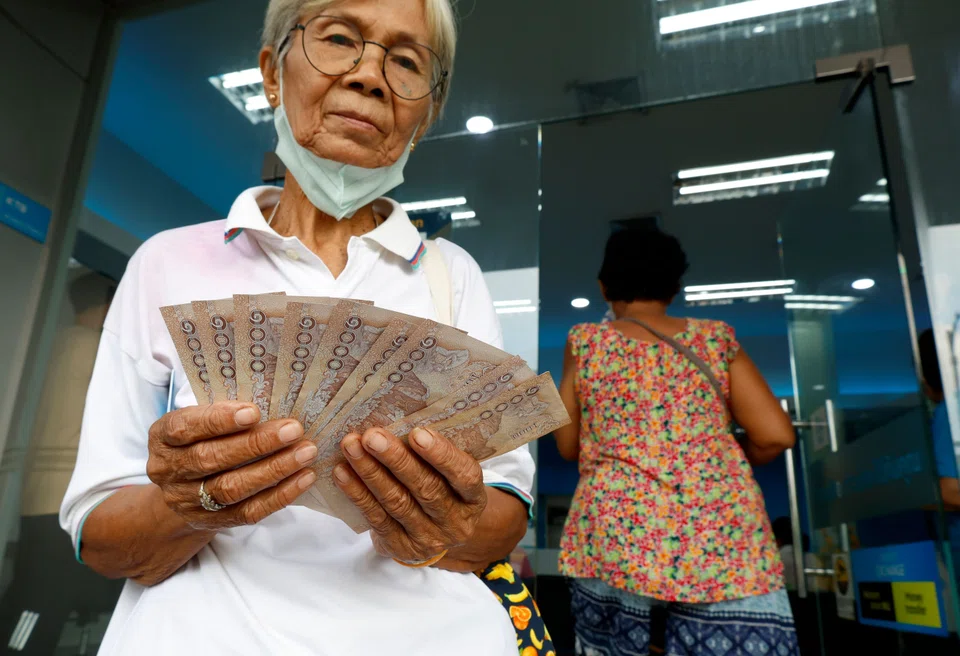
In Thailand, the baht’s 10 per cent surge since June has triggered calls from the tourism and business sectors for the central bank to stabilise the currency amid economic concerns.
The Asian Development Bank has lowered Thailand’s gross domestic product growth estimate for this year to 2.3 per cent from 2.6 per cent, citing concerns over subdued growth due to weaker-than-expected public spending, private investments and exports, writes BT journalist Goh Ruoxue.
I hope you have enjoyed this week’s reads. Be sure to explore more stories in the sections below, and see you next Friday!
Trending
What’s happening: Vietnam aims to train 50,000 semiconductor engineers and workers with bachelor’s degrees by 2030 through a new national programme approved by the government to develop its high-tech workforce, reports our Vietnam correspondent Jamille Tran.
What it matters: This initiative supports the country’s strategy to enhance its global value chain position, with the government aiming to establish at least one semiconductor fabrication plant and 10 packaging plants by 2030.
Asean in brief
- Vietnam says Musk’s SpaceX plans US$15 billion Starlink investment The investment may resolve delays in launching Starlink satellite services, previously stalled since late 2023. Read more
- Thailand kicks off first phase of US$14 billion “digital wallet” stimulus scheme The initial phase will see 10,000 baht (S$395) distributed in cash to 14.5 million welfare card holders and disabled people. Read more
- Lazada-backed TNG Digital eyes Malaysian IPO over next two to three years: sources TNG Digital, Malaysia’s largest fintech firm, may achieve unicorn status with a valuation exceeding US$1 billion before its potential IPO. Read more
- Asia jet-maintenance crunch is set to persist, repair firm warns The shortage of maintenance facilities and qualified staff across Asia presents an additional challenge to the aviation industry. Read more
- Indonesia aims to conclude EU free-trade deal by next month Negotiations continue over outstanding disagreements regarding export duties, import licensing, raw materials and transmission and electronics. Read more
- Thai virtual bank race heats up as bidders outnumber permits The Bank of Thailand has received five applications for three virtual bank licences, including one from Singapore-based Sea and Thai billionaire Dhanin Chearavanont’s CP Group. Read more
- Singapore to double energy import capacity under regional power trade deal The doubling in capacity was made possible by the introduction of multi-directional power trade, under which additional supply will come from Malaysia. Read more
- Pertamina’s shipping unit to double tanker fleet in next 10 years This comes after the company secured a US$185 million syndicated loan to fund investments in its fleet and infrastructure. Read more