Mask wearing not required at polyclinics, GPs and other outpatient settings from March 1
 Add BT as a preferred source
Paul Nah SC
DeeperDive is a beta AI feature. Refer to full articles for the facts.
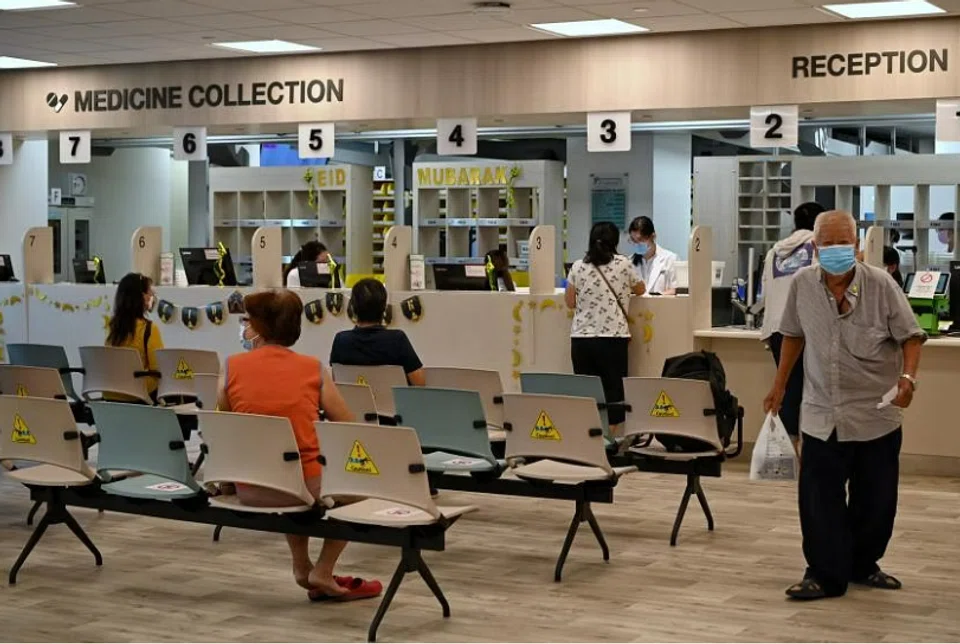
FROM Friday (Mar 1), patients, visitors and staff in outpatient settings such as polyclinics, general practitioner clinics and specialist outpatient clinics will not be required to wear a mask.
Mask-wearing will also not be required at dialysis centres, traditional Chinese medicine clinics, and dental clinics, said the Ministry of Health (MOH) in a statement on Thursday.
However, mask-wearing in these places is still “strongly encouraged” for medically vulnerable people such as seniors, and those with acute respiratory infection (ARI), it said.
Due to the “stronger collective resilience” of the population that has been living with Covid-19 as an endemic disease, this is another step in standing down Covid-19 response protocols, said the ministry.
Wearing a mask will still be required for staff at, and visitors to, higher-risk healthcare settings such as inpatient wards, emergency departments, and residential care facilities.
“We intend for this to be a standing requirement to improve general infection control practices in these areas,” said MOH.
Navigate Asia in
a new global order
Get the insights delivered to your inbox.
It added that patients staying in hospitals and residents of residential care facilities need not wear a mask.
“Nevertheless, as good practice, we encourage residents and inpatients to wear a mask if they are unwell or develop ARI symptoms.”
The Expert Committee on Covid-19 Vaccination (EC19V) has also recommended that two initial doses of vaccines will be enough to ensure an essential level of protection, said MOH. This is down from the current recommendation of three doses.
This is because most individuals have been infected with Covid-19 one or more times, and will have some underlying protection even if unvaccinated, it explained.
The ministry also encouraged those who are unvaccinated to receive two initial vaccine doses eight weeks apart.
“An additional dose of an updated vaccine for 2024 continues to be recommended, and should be administered around one year after the last dose received,” said MOH.
The additional dose is recommended for all persons aged 60 and above, medically vulnerable individuals and their caregivers, residents of aged care facilities.
The EC19V’s term will end on March 31, added MOH, and their role of advising the government on Covid-19 vaccination issues will be taken over by the Expert Committee on Immunisation (ECI) thereafter.
The ECI provides advice on nationally recommended immunisations for children and adults.
“(The EC19V)‘s expertise has been invaluable in assessing the vaccines and making vaccination recommendations in the context of Singapore’s population,” said the ministry.
“MOH extends our deepest gratitude to the EC19V for their dedication, expertise and guidance.”
It also announced that joint-testing and vaccination centres (JTVCs) at Ang Mo Kio, Jurong West, Pasir Ris, and Yishun will cease operations from April 1, in view of stable demand for Covid-19 vaccination.
There will be five remaining JTVCs, located at Bukit Merah, Jurong East, Kaki Bukit, Sengkang, and Woodlands.
“Covid-19 vaccinations will continue to be available at more than 200 participating Public Health Preparedness Clinics and polyclinics located islandwide,” said MOH.
“We are working to bring in more (general practitioner) clinics and polyclinics to offer Covid-19 vaccination, to ensure that Covid-19 vaccination remains accessible to the community.”
From March 1, the ministry’s updates on Covid-19 statistics will be aligned with other infectious diseases monitored such as influenza, said MOH.
The statistics will be reported in the Weekly Infectious Diseases Bulletin on the MOH website.
“Even as we take these steps to integrate our Covid-19 response into our broader public health programmes, MOH will continue to monitor the Covid-19 situation, both domestic and international, and update our public health strategies to protect the health and well-being of all Singaporeans,” said the ministry.
“We seek the support of the public to keep up to date with their vaccination and exercise social responsibility.” THE STRAITS TIMES
Decoding Asia newsletter: your guide to navigating Asia in a new global order. Sign up here to get Decoding Asia newsletter. Delivered to your inbox. Free.
Copyright SPH Media. All rights reserved.