150 days into the Iran war, Trump seems to have no good options
US allies are reluctant to join, while Teheran is proving resilient
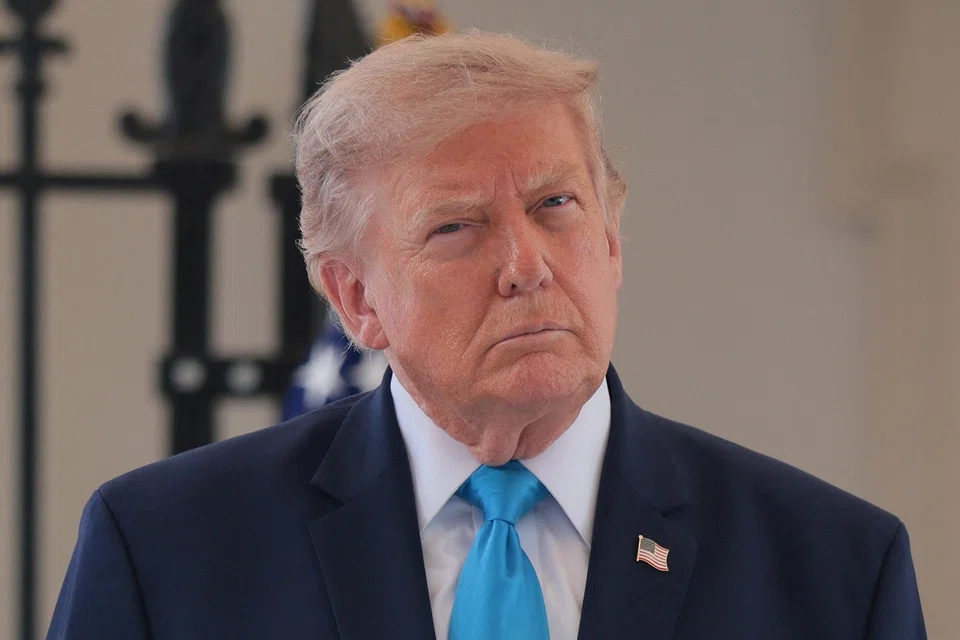
AFTER the US-Iran memorandum of understanding was signed in June, many leapt for joy. But the last few weeks – during which Iran and the US restarted armed conflict – have underlined that the crisis, which has lasted more than 150 days thus far, may be far from over.
With November’s Congressional elections drawing ever closer, US President Donald Trump faces a new round of major decisions on Iran with three main strategic options.
The first is escalation, which he has threatened multiple times, including in joint action with Saudi Arabia in Iraq against Iranian-backed forces on Jul 28.
The second is the status quo of periodic flare-ups, like the ones of recent weeks.
The third is a major climbdown – what many critics will call capitulation – probably wrapped up in the political rhetoric of “victory”.
While the last option can never be ruled out given Trump’s mercurial nature, an increasing number of key US allies fear that the first or second scenario will play out in the second half of 2026.
Given the uncertainty, scenario planning can continue to help think through plausible outcomes and the implications. The goal is building preparedness and resilience for what might be even more unpredictable times ahead.
US allies unlikely to step up
The global economy has proven resilient so far. But any scenario other than peace would see oil and potentially wider energy prices continuing to spike on at least a periodic basis, which would be very damaging for Asia, given its reliance on oil from the Middle East.
Whichever path Trump takes, he may have no good options now, as shown in his and Secretary of War Pete Hegseth’s increasing frustration over the conflict.
For example, Hegseth appeared before the US Senate on Jul 21, when he made a request for an additional US$87.6 billion for the defence budget, almost US$70 billion of which appeared to be headed to the Iran operation.
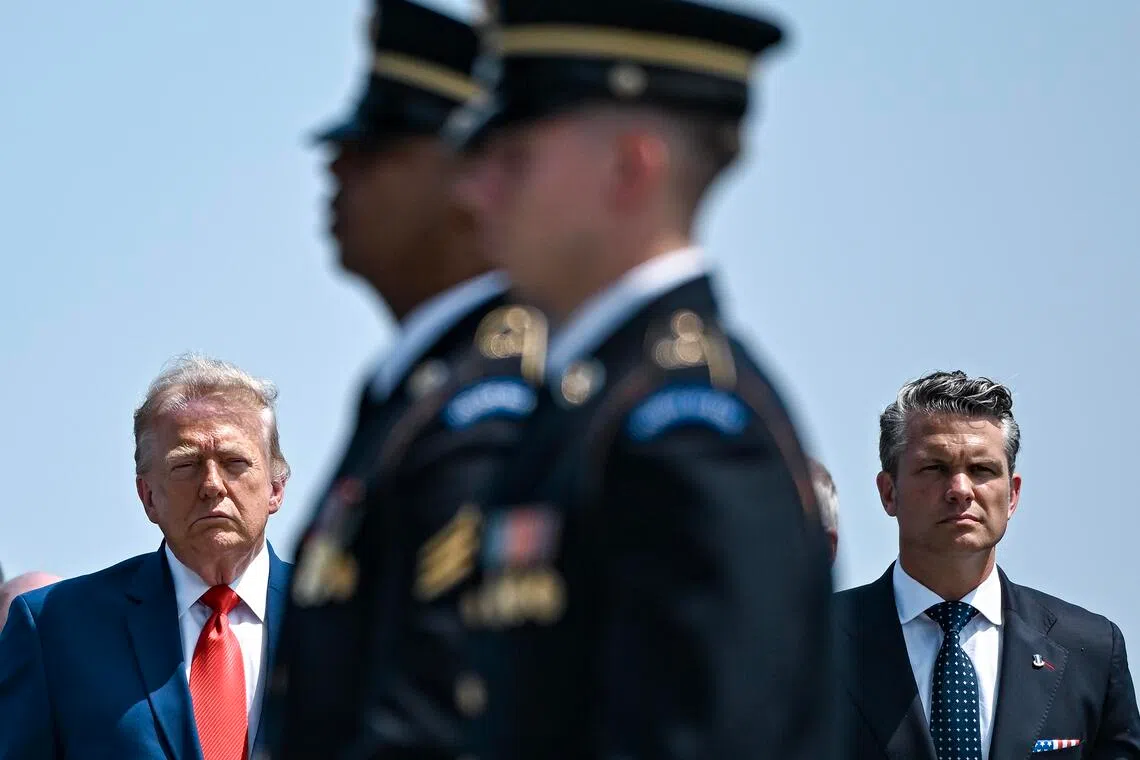
Five months into the crisis, one of the ways the Trump team appears to want to pressure Iran is through international – especially European – help.
At the Nato summit in early July, when conflict was escalating, Trump said he was “not happy” with the organisation because it declined to get involved in the war. This was despite him saying at the summit’s press conference that the US “didn’t need the help”.
Yet, as much as creating a wider international diplomatic coalition could still help unlock the crisis, it is unlikely to take shape and be a game changer any time soon while US-Iran tensions remain high.
A planned meeting in London between Hegseth and his UK counterpart Wes Streeting this week was reportedly postponed, and potentially cancelled outright.
Many US allies see launching such an initiative as too challenging because the risk of the conflict escalating again remains high. Many also are still smarting from the insults of Trump and Hegseth in recent months.
In this increasingly unstable quagmire, the bad news is that the crisis could easily continue for weeks, perhaps even another 150 days, barring a major climbdown from Trump.
So whereas many economic forecasters had looked for the Strait of Hormuz to fully reopen again by this autumn, this prediction now looks increasingly optimistic.
Globally, this expectation is also feeding through into prediction markets such as Polymarket, with growing sentiment that any lasting breakthrough to the crisis may not come this year.
Iran more resilient than expected
The mood from Iran certainly doesn’t seem positive, with the regime’s Islamic Revolutionary Guard Corps announcing in July that the US president “should know that, by God’s grace, even if this war lasts for several years, until the very last day, our missiles and drones will rain down on American criminals”.
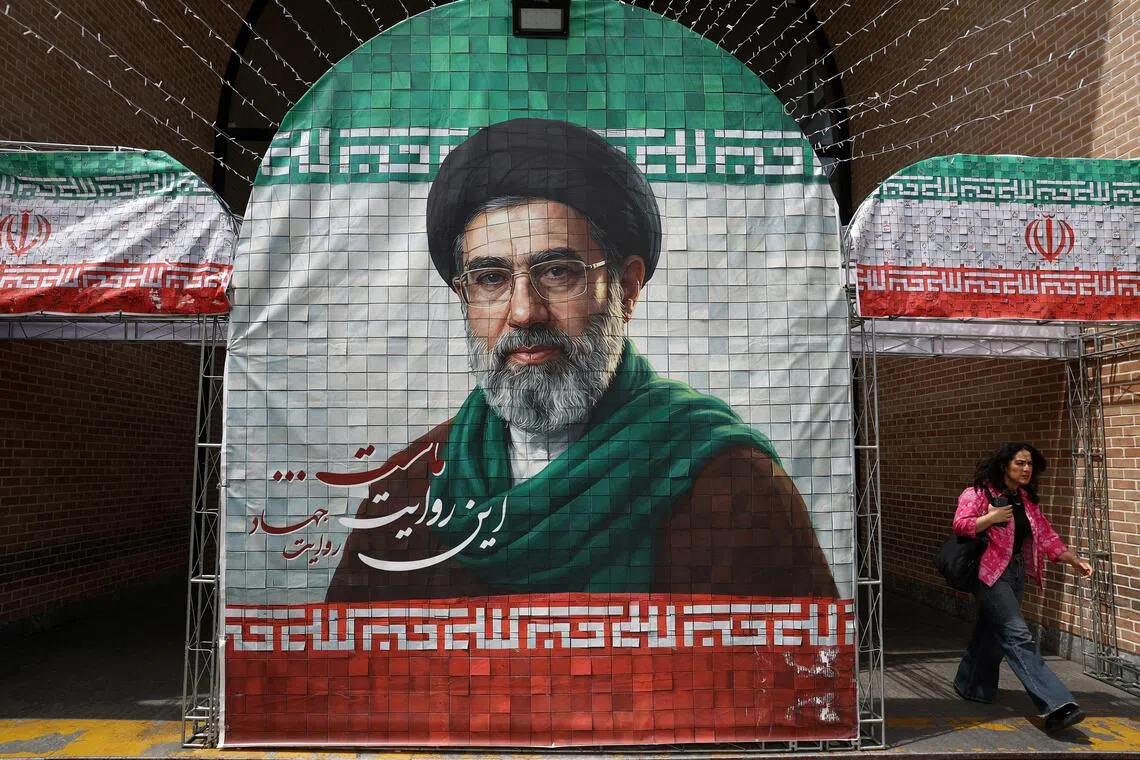
This underlines how the anointment of Mojtaba Hosseini Khamenei, Ayatollah Ali Khamenei’s son, as the nation’s new supreme leader is a signal that regime hardliners in Teheran are probably still firmly in charge.
For now at least, reformists look likely to be frozen out.
As well as the length of time of the war, a key variable is whether any future significant military action will largely continue to be concentrated in Iran or extend much more broadly.
To be sure, Iran from the start of hostilities has been hitting the Gulf states and blocking Hormuz, to maximise international pressure on Israel and the US. However, to date, the war has been mostly contained – but that does not alleviate the tragic loss of life across the region.
In March, weeks after the US and Israel launched their first strikes in Iran, it seemed that the most likely scenario would be centred around a “regime in ruins”.
This involved a war focusing on Iran and ending in weeks, with the remnants of the regime in Teheran remaining in place, albeit in a much weakened form from before.
While some of this scenario has happened, one of the surprises to some US decision-makers is how resilient the regime is proving – in the short term, at least.
This does not mean its power will not decay in the future. Its grip on power could grow more precarious with limited military capabilities and without widespread domestic public legitimacy – with the possibility of gradually collapsing from the inside.
For the foreseeable future, however, the regime’s embeddedness in Iran means it is unlikely to crumble. Moreover, despite the clear military superiority of the US, Teheran appears to maintain the ability to conduct an asymmetrical war, such as by leveraging Hormuz.
So far, US and Israeli airpower alone has been insufficient to realise Trump’s vision of unseating the clerics in Teheran from power.
It is perhaps only a major US escalation, including “boots on the ground” – with the risks that would come with this – that could change this picture fundamentally.
The uncertainty from Iran is likely to remain a headache for the global economy, especially for highly oil-dependent Asia, and could yet contain downside surprises for investors.
Barring a major Trump climbdown, the crisis – both in Iran and world markets – could continue for months more.
The writer is an associate at LSE IDEAS at the London School of Economics