
2022: EU’s game-changing year
The Ukraine crisis since February, for one, has catalysed a far-reaching reshaping of the European Union
 Add BT as a preferred source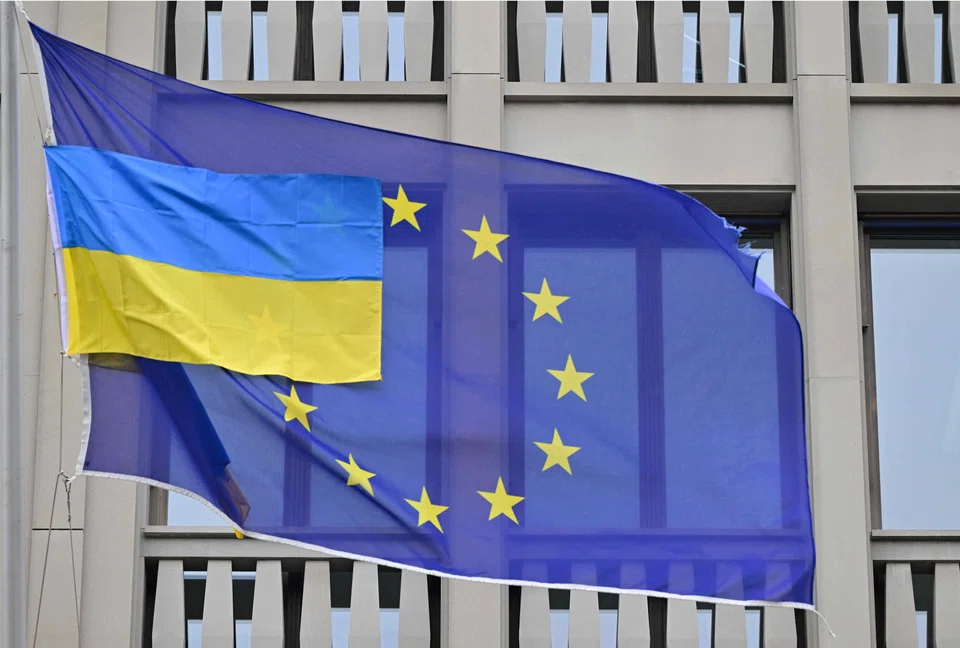
2022 was always destined to be a potentially key year for Europe, yet it has turned out to be the most consequential 12 months for the continent since the end of the Cold War.
Following Russia’s invasion of Ukraine, there have been at least three potentially very important dynamics in play for the EU.
Firstly, the 27 member states, whose presidents and prime ministers meet this Thursday and Friday (Dec 15-16) in Brussels for their final summit of the year, have shown unanticipated unity vis-a-vis Moscow. The latest signal of this is the fact that the Brussels-based club may be about to agree a ninth package of sanctions in 2022 against Russia.
To be sure, there are clear differences of view within the bloc, with Hungary often a key outlier on Russia. However, the 27 member states have by and large held together in 2022.
The second key dynamic is the impetus that has been given to realising the long-held federalist goal of “ever closer union” across the continent. Take the example of defence where Russia’s invasion is prompting the EU to drop traditional taboos about military might.
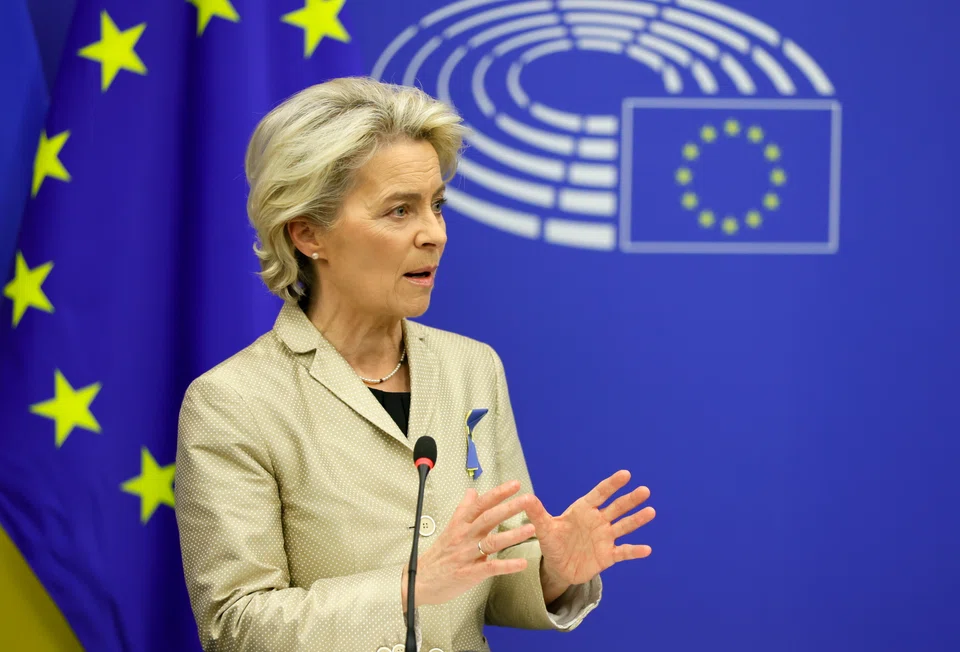
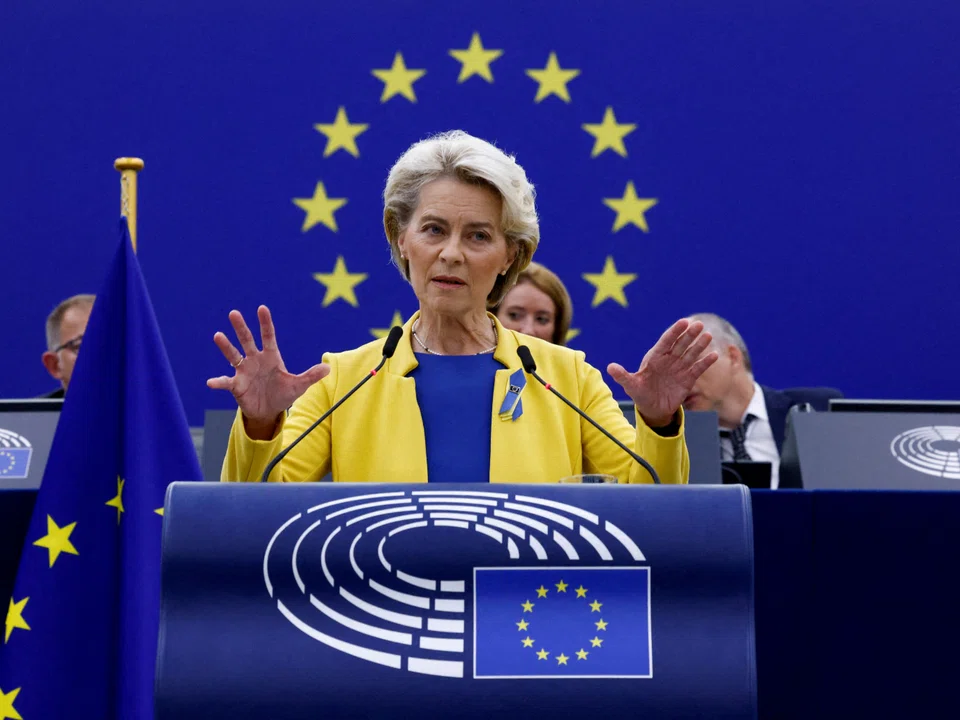
As European Commission president Ursula von der Leyen has emphasised, the Ukraine conflict is “fundamentally challenging” Europe’s peace architecture. What began seven decades ago as a trade bloc binding former warring nations together is today an economic heavyweight with potentially strong potential in broader foreign affairs.
Navigate Asia in
a new global order
Get the insights delivered to your inbox.
During the informal European Council meeting in Versailles in March, EU leaders committed to taking more responsibility for the EU’s security, pursuing a strategic course of action in defence and increasing the EU’s capacity to act autonomously. On Dec 15-16, EU leaders will take stock of the work carried out to implement these pledges and to bolster the EU’s defence capabilities, as outlined not only in the Versailles Declaration but also the Strategic Compass, an EU initiative that aims to bring clarity and guidance on the EU common security and defence policy as well as establish a common understanding of key threats and challenges to Europe for the short and medium term.
It is not just Russia’s invasion driving this, but also that Brexit has eliminated a longstanding obstacle to greater European cooperation in this sphere given that successive UK governments have long been opposed to deeper defence integration at the EU level. Add to this too the uncertainty in transatlantic ties emanating from the previous US presidency of Donald Trump which some across the continent fear could be repeated given that he has said he is running again in 2024.
This military agenda is not only favoured by key national leaders such as French president Emmanuel Macron, but also EC president von der Leyen. In her previous post as German defence minister, she backed plans for a European army so that the continent can react more credibly to the threat to peace in a member state or in a neighbouring state.
Individual member states, not just Brussels, are transforming their military thinking. Take the example of Finland and Sweden, two traditionally non-aligned countries that have now joined Nato and are also delivering arms to help the Ukrainian army. Moreover, Denmark has repealed the 30-year-old opt-out clause that previously kept it away from the EU common defence policy.
Another example of the rapidly shifting sands is energy policy provoked by the fact that Russia’s war chest is refilled on a daily basis with oil and gas revenues. Most recently, the EU in concert with G7 launched in early December an oil price cap on Russian oil which has been initially set at US$60.
Prior to the Ukraine war, the EU depended on Russia for 40 per cent of its natural gas and a quarter of its oil imports. In total, the 27 member states paid about 1 billion euros a day to Moscow for those supplies.
However, the bloc is now speeding up efforts to wean itself off Russian energy as part of a massive energy security shift. This includes measures like finding alternative suppliers; improving energy efficiency such as renovating buildings and using artificial intelligence to effectively manage the energy grid; massive investment in renewables such as solar, wind and hydrogen, under the European Green Deal; plus the prospect of large-scale energy market reform.
Under the new RepowerEU plan, the European Commission is seeking to cut EU dependency on Russian gas by two-thirds in the short term, and end its reliance on Russian supplies of the fuel “well before 2030”. The plan is to switch to alternative supplies and expand clean energy faster under the plans.
This underlines how much Ukraine has triggered an overhaul of the EU’s energy priorities as Brussels seeks to wrest countries free from Russia. Gas and liquefied natural gas from countries like the United States and Qatar could soon replace a very significant chunk of what Europe previously got from Russia. Meanwhile, new wind and solar projects could replace a big element of gas demand, tripling capacity by 2030.
The third dynamic is that of stronger EU ties with so-called third nations in Europe. Take the example of the United Kingdom whose security and defence cooperation with the Brussels-based club is helping to bring a positive edge to post-Brexit bilateral relations.
Another example is Turkey which, while retaining a significant economic relationship with Russia, has nonetheless called out Putin on several key occasions. One key example is the Black Sea food and fertiliser deal that Turkish president Recep Erdogan brokered with Ukraine, Russia and the UN. This has helped deliver a key EU and wider Western objective of restarting grain shipments to help boost the regional economy and also hopefully helping mitigate against a looming global hunger crisis.
Underpinning this outreach by the EU with non-member nations is the new European political community. This is the brainchild of Macron who asserts that the EU, “given its level of integration and ambition, cannot be the only way to structure the European continent”. The goal of EPC is to allow countries which may join in the future, like Ukraine, and others including the United Kingdom which have left it, to deliver “European core values” in areas such as energy, transport, and investment of infrastructure.
Taken together, the Ukraine crisis therefore has catalysed a far-reaching reshaping of the EU. Decisions taken in 2022 could prove to be momentous in helping define the economic and political character of the bloc for many years, if not decades, to come.
Andrew Hammond is an associate at LSE IDEAS at the London School of Economics
Decoding Asia newsletter: your guide to navigating Asia in a new global order. Sign up here to get Decoding Asia newsletter. Delivered to your inbox. Free.
Copyright SPH Media. All rights reserved.

