

At 75, Nato enters new ‘pre-war era’ of challenges
For all its weaknesses, the bloc remains one of the world’s most successful military organisations, and has helped underpin the longest period of sustained peace in the West’s modern history
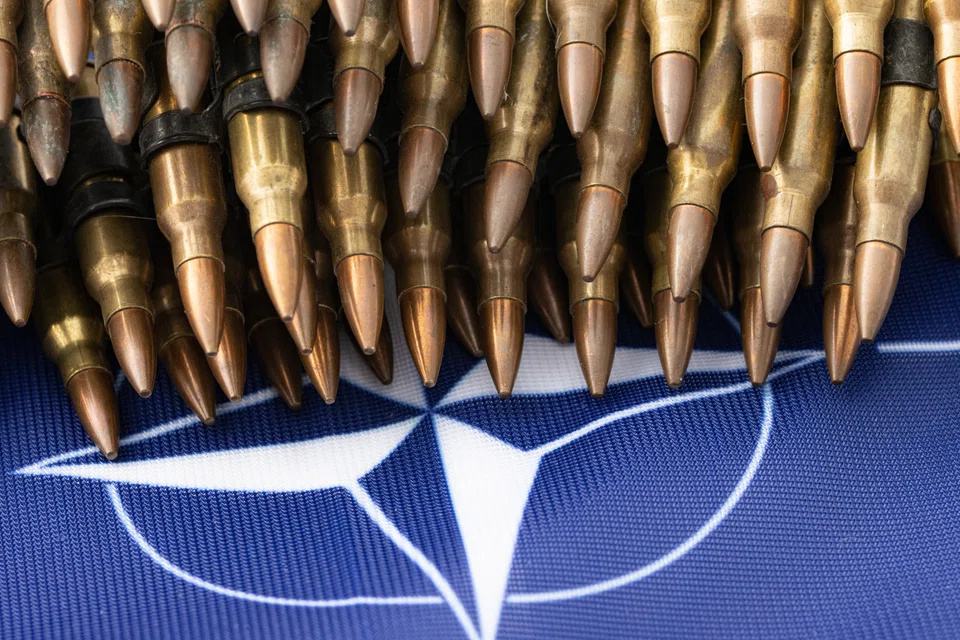
THIS week, Nato marks the 75th anniversary of the signing of its founding treaty, yet the mood music is far from celebratory. Key leaders within the military alliance are increasingly concerned that the bloc is facing its biggest ever challenges.
Take the example of Polish Prime Minister Donald Tusk, a former European Council president, who warned last week that Europe is in a dangerous, new “pre-war era”. He asserted that Ukraine must not be defeated by Russia for the good not just of Nato members but all nations that value the post-1945 rules-based order.
Tusk said that war is “no longer a concept from the past”, that “it’s real”, and that “literally any scenario is now possible”.
This is one reason why Nato is reportedly drawing up plans to secure a five-year military aid package of up to US$100 billion. The so-called “Mission for Ukraine” proposal is being shepherded by Nato secretary-general Jens Stoltenberg for final approval over the summer, ahead of November’s US presidential election. The plan would allow Nato to manage the supply of lethal weapons to Ukraine for the first time since the conflict began.
Sombre situation
The reason for the urgency is that Tusk and other leaders have warned that the next few months of the conflict will “decide everything”, given the urgent need in coming weeks for the West to help Ukraine rearm. “We are living in the most critical moment since the end of the Second World War,” he said.
What Tusk is highlighting is the growing concern in key Nato nations that, in the absence of a significant shift, the tide is turning in the Ukraine war in Russia’s favour. Moreover, any outcome that could be perceived as a major victory for Moscow will significantly add to the threat environment facing other nations in Europe.
It is in this sombre context that Nato is planning for the next half-decade, with a change of leadership anticipated in the second half of this year. The person widely expected to become the next secretary-general of the military alliance is longstanding Dutch Prime Minister Mark Rutte.
The good news for the next Nato chief is that the context for the debate about the organisation’s future has been transformed in the post-pandemic period. Only in 2019, there was widespread concern about Nato’s purpose, with French President Emmanuel Macron saying that it had become “brain-dead”.
Macron’s remarkable outburst was driven by what he sees as a rapidly changing geopolitical landscape. This included the diminished commitment of the United States, under the Trump presidency, to Nato.
Fast-forward to today and Macron has said that Russia’s 2022 invasion of Ukraine has woken up Nato with the “worst of electroshocks”, even though big questions remain about its future. It is an unexpected turnaround of fortunes, in the most serious of circumstances, that could also be fuelled by Western concerns about China too.
The Ukraine conflict has underlined the continuing relevance of Nato, with its collective member state population of around one billion. For all its weaknesses, Nato remains one of the world’s most successful military organisations, and has helped underpin the longest period of sustained peace in the West’s modern history, with its combined membership accounting for around half of global GDP.
While this is positive, Nato could however face a major internal challenge from November if Donald Trump wins a new term. Past Trump administration officials, including former national security adviser John Bolton, have confirmed that the former president came close to announcing the country’s withdrawal from Nato; he had thrown the alliance’s annual 2018 summit into disarray by threatening to pull the US out.
Despite the strength of the other Nato members, there is no question that US withdrawal would be a body blow to its future credibility. Trump, who originally described Putin’s invasion of Ukraine as “genius”, may also have advance plans to try to warm ties with Russia, as was his intent from 2017 to 2021.
It should be remembered here that Trump not only criticised Nato colleagues, but also had cordial meetings with Russian President Vladimir Putin, including in Helsinki in 2018. This erratic behaviour put a chill down the spine of Eastern European states, many of which were formerly part of the Soviet Union.
Behind the scenes, there is much scenario planning going on about the feasibility of a future Nato without US participation. It is possible that the Western alliance could try to keep the military organisation functional for a few years in the hope that the successor to any second Trump presidency might bring Washington back into the fold.
Dollars and cents
In the meantime, Rutte and other Western leaders assert in public that the best way forward for Europe to prepare for any change of incumbent in the White House is to increase defence spending.
This is because a key Trump critique of the alliance – that a significant number of its members still do not yet spend the prescribed 2 per cent of GDP on defence – is a longstanding sore point that other US presidents have highlighted, given that the US accounts for around two-thirds of total alliance defence spending.
It is important therefore to see all nations in Europe now commit, post-Ukraine, to a minimum of 2 per cent. In 2024, 20 Nato members are expected to reach this threshold, up from just three in 2014. Some, including Poland, have gone much further and now spend some 4 per cent.
If other nations likewise raise their defence spending, there may well be upside for intra-alliance harmony with the US. Here it is a combination of not just Russian military assertiveness, but also instability in the Middle East and Africa, and the legacy of Trump’s uncertain commitment to Europe’s security, that is turning this picture around.
In the longer term, it is also plausible that this new, higher defence spending will be locked in by Nato concerns because of wider shifts in the global security environment, including from China. US officials have claimed Russia has asked China for military assistance in its invasion of Ukraine, although Beijing and Moscow have denied the reports.
Whatever the truth of the matter, China still refuses to criticise Russia over the continuing war in Ukraine. So what is perceived as Beijing’s growing international combativeness is a growing concern in Nato, and this will become especially significant if President Xi Jinping continues to consolidate his strategic partnership going forward with the newly re-elected Putin.
The writer is an associate at LSE IDEAS at the London School of Economics
TRENDING NOW

Once staunchly pro-China, Malaysian Chinese businesses are now distancing themselves from Beijing

Looking beyond looming CEO succession, should UOB potentially pursue a transformative merger?

Could stablecoins be the future of money?

Grab CEO’s wife Chloe Tong on life with Anthony Tan and finding her purpose

