

Breaking the debt-relief paralysis
New thinking is needed to address the mounting distress gripping many low-income countries
 Add BT as a preferred source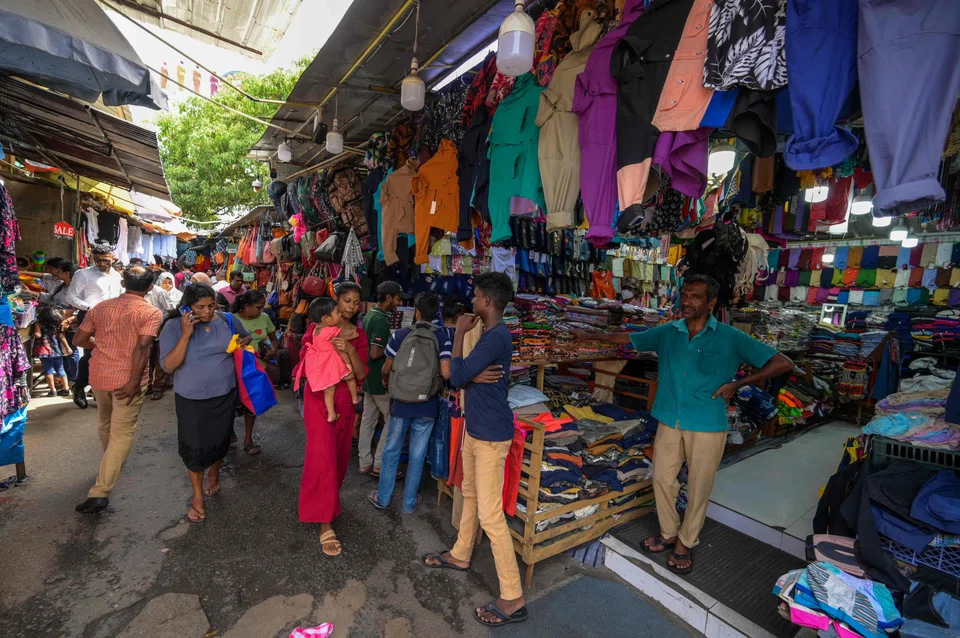
WHEN Sri Lanka’s economic crisis burst into international headlines a year ago, it had already been worsening for many months. Critical fuel shortages prevented people from going to work, and consumer goods could not be distributed. With imports having virtually ceased, medicines and other essential goods were scarce or entirely unavailable. By July, starving people mobbed the presidential palace. The president had already fled the country.
Yet it was not until last month that the International Monetary Fund (IMF) was able to seek and obtain approval from its board for a loan to Sri Lanka to enable lifesaving flows of food, fuel, medicines and other vital necessities. And even then, the board made disbursal of the loan conditional on assurances from holdout creditors – namely, China – that they would agree to a restructuring. Nor is Sri Lanka alone in awaiting receipt of funds. The Economist reports that 21 poor countries are either in default or awaiting loan restructuring.
To be clear, such delays are not the IMF’s fault. The Fund’s charter stipulates that it can lend only when there are assurances that sustainable economic activity will be restored. If a country’s debt burden is too high, all its creditors must agree to a haircut (a reduction of the principal owed); otherwise, any new loans it receives will go towards servicing its debts to the holdouts. Equally important, the extent to which economic activity recovers will depend on the government’s policy mix. Almost always, this will need to be adjusted to improve on past performance.
TRENDING NOW

When every phone becomes a satellite phone, what happens to Asia’s telcos?

Jardine C&C selling Singapore, Malaysia dealerships to Indonesia’s Chandra Asri for US$221 million gain

Digital Realty, STT GDC among data centre operators awarded 50 MW of new capacity in Singapore

Upbeat outlook for CDL, UOL after strong H1 earnings

