Against the odds: Aussie billionaire Cannon-Brookes snags conditional green light to power Singapore
Sun Cable’s audacious plan to sell solar to Singapore via the world’s longest undersea cables is ‘back in business’ after overcoming commercial doubts and shareholder disputes

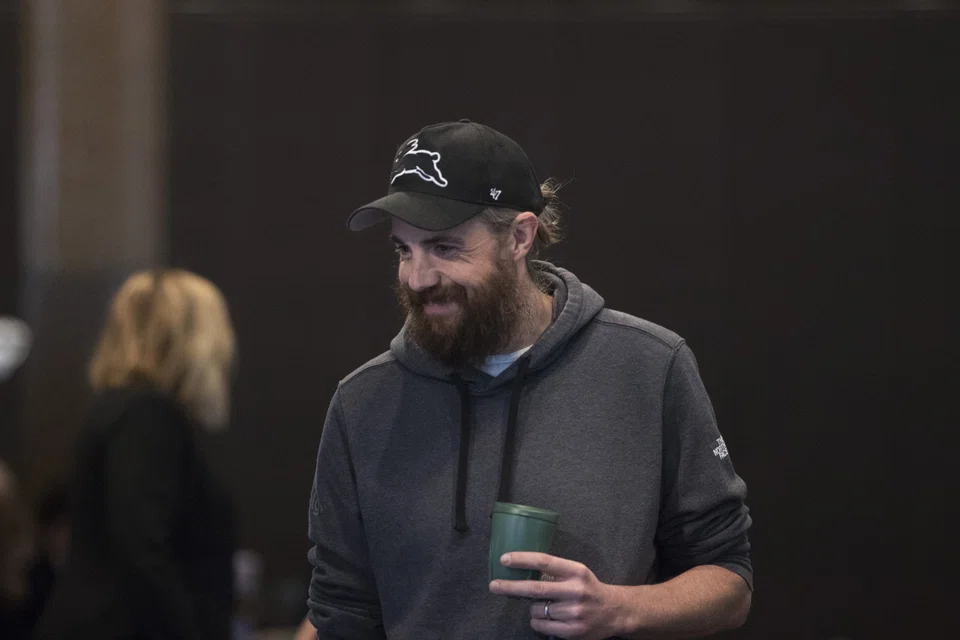
AUSSIES love nothing more than proving doubters wrong, Australian tech billionaire Mike Cannon-Brookes told me in an interview just over a year ago.
He was responding to scepticism about Sun Cable’s audacious A$30 billion (S$26.1 billion) plan to power Darwin – and Singapore – through giant solar farms and the world’s longest undersea cables.
This mammoth undertaking was earlier derailed when Cannon-Brookes and fellow billionaire Andrew Forrest – both co-owners – clashed on the project’s Singapore cable component, leading Sun Cable into administration in January 2023. After nearly six months of negotiations, Cannon-Brookes secured control of the company.
Sun Cable’s project – the Australia-Asia Power Link – was down but as we know now, far from out.
Just over a week ago, the world’s largest renewable energy and transmission project, scored a big win.
On Oct 22, the Energy Market Authority (EMA) announced it had awarded conditional approval to Sun Cable to supply 1.75 gigawatt (GW) of solar-generated electricity to Singapore via subsea cables spanning 4,300 km between the two countries.
EMA’s conditional approval affirms the project’s technical and commercial viability – a major endorsement for a project of vast scale, rivalled only by the immense technical challenge of transmitting solar power through extensive undersea cables stretching from Darwin across the Timor Sea to Singapore.
A convergence of positive developments has illuminated the solar project’s appeal, leading to its latest win.
In September, Singapore raised its clean energy import target from 4 GW to 6 GW by 2035, driven by some 20 proposals for low-carbon electricity imports that underscored the feasibility of its decarbonisation plan.
The city-state’s low-carbon import agreements and Asean’s interconnected grid vision could have also created regional momentum and an opportunity for Sun Cable to showcase its transformative green potential.
Singapore’s conditional backing lights the way for Sun Cable, marking a significant win for the massive project and a payoff for Cannon-Brookes’ persistence. Yet, this is only a partial victory; a steep path of financial, technical and regulatory hurdles remains to silence detractors.
Sun Cable’s immediate priorities are to lock down contracts with energy buyers in Singapore and solidify long-term offtake agreements to secure a dependable revenue stream.
To regain investor trust, the company must prioritise transparency and prudent cost management, especially as tensions between Cannon-Brookes and Forrest reportedly stemmed from concerns over escalating costs, among others.
Also, Singapore’s approval is just one piece of a complex regulatory puzzle, requiring active engagement with regulators from both countries to avoid delays or potential derailment.
If successful, Sun Cable could redefine energy trading in Asia-Pacific, proving the viability of long-distance renewable power transmission.
It would not only help Singapore meet its green targets but also set a new global standard for cross-border clean energy projects.
This ambitious venture demands a delicate balance of ambition and pragmatism. Over to you, Cannon-Brookes.