

Aged to imperfection?
Stop worrying about our ageing society. What we need is an age-integrated longevity society
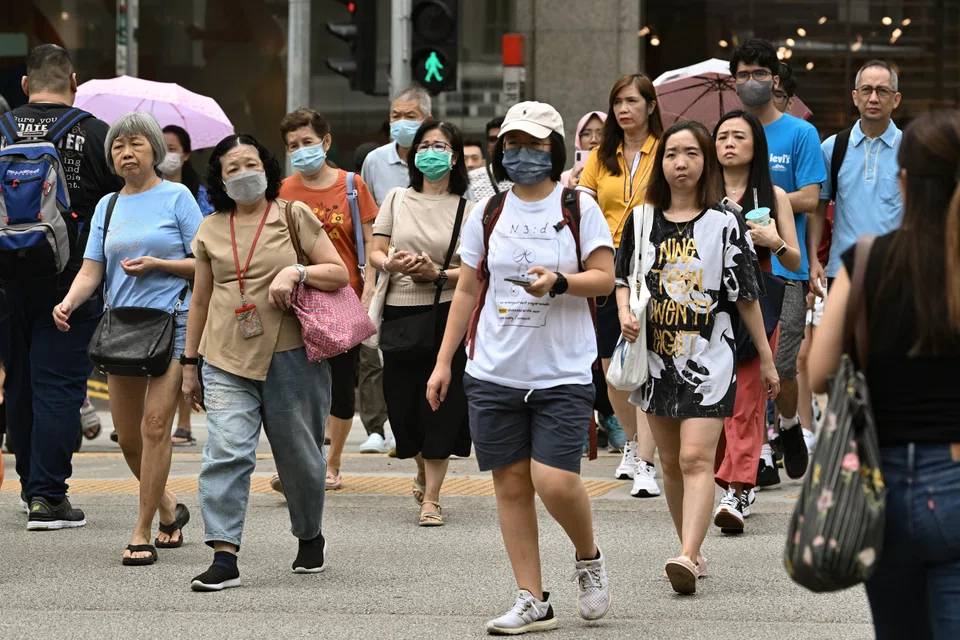

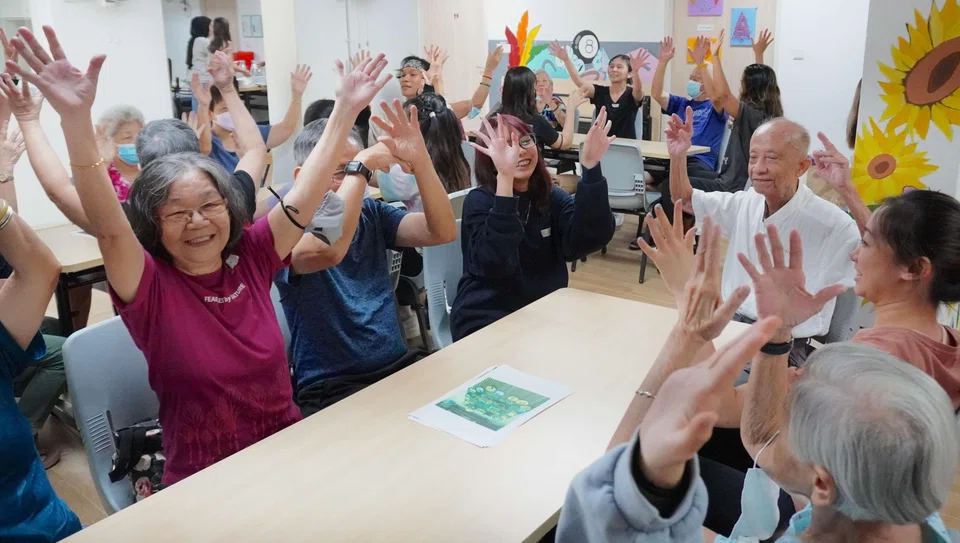

ARE you sexist? Since you are reading this book*, probably not. Might you be racist? Again, probably not, though we all need to be alert to the possibility of unconscious bias creeping into our thoughts and actions.
The odds are very high, however, that you are ageist.
Ageism is everywhere – in our institutions, in the media, in national and corporate policies, in our relationships. And in ourselves.
Consider this: If you are middle-aged or older, have you not sometimes ruefully said “senior moment” when you have been confused or forgotten something? Why do we do this? Young people also get confused or forget things, but they don’t apologetically say “junior moment”. So why are we playing into the narrative that being “senior” turns us into bumbling old fools?
Because we are continuously exposed to negative images, stories, and messages about older people, and our brains get wired to believe that getting old means going downhill both cognitively and physically. The media plays a big role in perpetuating these stereotypes. Older people are, all too often, portrayed as frail, sickly, dependent, cranky, confused, ill-informed, fearful of technology, less adaptable, resistant to change, unable to learn new skills.
It doesn’t help that policymakers and pundits tend to point in horror to the impending “silver tsunami” and how ageing baby boomers riddled with chronic ailments and declining mental faculties will flood hospitals and care facilities and soak up public funds and become a fiscal burden that will have to be borne by the shrinking pool of income-earning and tax-paying younger people.
So ageing has got this really bad reputation, and this is fuelling ageism and making so many of us ageists. Like the sexist and the racist, the ageist has fallen into the trap of “othering” – looking at a group of people as being distinct from us, as being markedly different from us. This is what leads to bias and prejudice.
Gerontologist and author Dr Robert Butler, who coined the term “ageism” in 1971, identified three aspects of ageism: prejudicial attitudes towards older people and the ageing process; discriminatory practices against older people; institutional practices and policies that perpetuate stereotypes about the elderly.
Ageism can, of course, also affect young people. Their job opportunities and career progression can be affected if employers have set ideas about who they want to hire and promote. Job advertisements may specify a minimum number of years of experience, for example. And a young person with the skills and maturity to manage a team may not be considered for a leadership position because the employer thinks they do not have enough experience or that the other workers may not accept a young team leader.
Like the other “isms”, ageism separates and divides society, and it is harmful at both the individual and the collective level. For individuals, ageism can contribute to poverty or financial insecurity in older age if they are unable to continue working and earning an income. At the societal level it can cost billions of dollars in terms of health and social services, and lost productivity.
Global campaign
Ageism is so entrenched that, according to the World Health Organization (WHO), one of two people in the world has ageist attitudes.
In 2021 WHO launched a global campaign to combat ageism because of the serious and far-reaching consequences for people’s health, well-being, and human rights. Its Global Report on Ageism looks at the impact of ageism and offers policymakers, civil society, and the public at large an action plan to reduce ageism and “create a world for all ages”.
The WHO report says that for older people, ageism is associated with a shorter lifespan, poorer physical and mental health, slower recovery from disability, and cognitive decline. It reduces older people’s quality of life, increases their social isolation and loneliness (both of which are associated with serious health problems), and restricts their ability to express their sexuality. Ageism may increase the risk of violence and abuse against older people while for younger people, it can reduce commitment to the organisation they work for.
Importantly, the WHO report refutes many misconceptions about ageing. There is, for instance, no “typical” older person as there is great diversity among old people. The physical and mental capacity of some 80-year-olds is comparable to that of many 30- or 40-year-olds.
People age very differently, and age is not a reliable indicator of someone’s potential productivity or employability. Chronological age does not equate with function, and it does not equate with cognition. And yet it is chronological age that determines when most people leave the workforce.
Ageism at the workplace
In Singapore, the retirement age is now 63 and the re-employment age is 68, which means that workers can, in theory, continue in their jobs for up to five more years. The government plans to raise these to 65 and 70 by 2030. Surveys have shown that the majority of workers in Singapore welcome the higher retirement ages, but many older workers are concerned about age discrimination at the workplace.
A survey conducted by the PAP Seniors Group and National Trades Union Congress (NTUC) in August 2023 asked some 1,500 workers aged 50 and above what were the top challenges and barriers they faced at work. Nearly two-thirds (63.4 per cent) said negative employer attitudes and age discrimination, while as many (59.6 per cent) pointed to inflexible working arrangements or long working hours. Half of them were concerned about suitable job opportunities being available.
Another survey done by NTUC at the end of 2022 of workers aged 20 years and above found a decline in the training participation rate as a worker got older. Employers have “certain prejudices and assumptions” about older workers’ ability to pick up new skills or their willingness to learn.
Meanwhile, a survey of 1,000 workers in 2022 by gender advocacy group the Association of Women for Action and Research (Aware) and consumer research company Milieu Insight found that one in two workers in Singapore said he or she had experienced workplace discrimination in the past five years. The top reason for the discrimination was race (41 per cent), and age (35 per cent) was the second most common reason.
Recognising the problem of ageism at the workplace, the Singapore government began some time ago to offer incentives such as wage subsidies to encourage employers to retain or engage older workers. The workplace fairness legislation due to come into effect in 2024 will include protection against age discrimination, but much more is needed if we are to shift the assumptions and attitudes that are keeping businesses from making better use of Singapore’s mature workforce.
When a significant proportion of older and middle-aged people are unemployed, especially those in the lowest income groups, they will become more dependent on informal family assistance, government transfers, or charity. This will increase social stratification and social division in the country.
Ageism and health
Singapore is ageing so fast that by 2030 a quarter of the population will be 65 years and older. To try to ensure that Singaporeans will be as healthy as possible as they age, the government has launched Healthier SG, a visionary system of health care to promote health and prevent disease while continuing to treat chronic disease and injuries.
For Healthier SG to be fully effective, ageism has to be addressed. One of the biggest disruptors of healthy longevity is ageism.
The WHO Global Report on Ageing made this point:
“Age-based stereotypes influence behaviours, policy development and even research. Addressing these by combating ageism must lie at the core of any public health response to population ageing. Although this will be challenging, experiences combating other widespread forms of discrimination, such as sexism and racism, show that attitudes and norms can be changed.”
There is growing evidence that negative and positive self-perceptions of ageing can have profound effects on health and longevity. One study by Yale professor of psychology Dr Becca Levy found that older people with more positive self-perceptions of ageing, measured up to 23 years earlier, lived 7.5 years longer than those with less positive self-perceptions of ageing. This advantage remained after age, gender, socioeconomic status, loneliness, and functional health were included as covariates.
Dr Levy and her group at the Yale School of Public Health have researched ageism for 20 years and she is the leader of the WHO-sponsored review of studies of ageism and health consequences. She has found evidence that older people who see ageing in positive terms are much more likely to recover from disability than those who have a negative view of ageing. They are also more likely to practise preventive health measures such as eating well and exercising. They experience less depression and anxiety. They live longer.
On the other hand, a negative view of ageing will become a self-fulfilling prophecy. The older person who believes that frailty and disease are inevitable consequences of ageing may not see any point in trying to age actively. Their fatalistic outlook will keep them from going for routine health screenings and from a healthy lifestyle.
It is crucial that we consider the effects of ageism as we implement the Healthier SG policies and programmes to keep older people healthy physically and mentally. The evidence is there that positive self-perceptions of ageing trump other social determinants of health; it should be an integral part of our health and social policies.
Ageism and dementia
A study done by Dr Levy and her associates in 2018 suggest that positive age beliefs can act as a protective factor against dementia, even for older individuals at high risk of the disease. This is the first study to link the brain changes related to Alzheimer’s disease to a culturally based psychosocial risk factor – that is, ageism.
With negative stereotypes, older people have a higher risk of dementia, the study report said. They have greater accumulations of plaques and tangles in the brain, the biomarkers of Alzheimer’s disease, and a reduced size of the hippocampus, which is the part of the brain associated with memory.
We have yet to find reliable treatments for Alzheimer’s disease, which is the most prevalent cause of dementia. The Singapore statistics for dementia are worrying: one in 10 people over the age of 60 and one in two over the age of 85 have dementia. More than 100,000 people are estimated to have dementia in Singapore. Women have twice the rate of dementia compared to men, and only part of this increased incidence is due to the longer lifespan of women.
If combatting negative beliefs about ageing offers us a potential way to reduce the rapidly rising rate of Alzheimer’s disease, we should seize it and use it to try and reduce the incidence of this personal tragedy and public health issue.
Ageism and women
The gender dimension of ageism is a double blow for women in our modern society that continues to prize youth and “beauty”. Ageism and sexism join hands at midlife and older women are judged more harshly than men of the same age for their looks and behaviour.
Grey hair and wrinkles are seen as making men look distinguished and experienced, whereas they make women look “old”. Old age can make women invisible, and many women try to avoid looking old in order to remain socially and professionally engaged. In doing so, they are playing into the ageing narrative.
As Ashton Applewhite, a writer and anti-ageism advocate, points out: “As it is now, women ‘compete’ to stay young, but all that does is reinforce ageism and sexism.”
So what should we do about ageism?
Singapore is one of the fastest ageing countries in the world. We have more people over 65 years old than people under 15 years. If we are to cope effectively with this demographic challenge, we need to convert our ageing society into a longevity society.
A Lancet article offers this wisdom: “An ageing society focuses on changes in the age structure of the population, whereas a longevity society seeks to exploit the advantages of longer lives through changes in how we age. Achieving a longevity society requires substantial changes in the life course and social norms and involves an epidemiological transition towards a focus on delaying the negative effects of ageing.”
Ageism is a major barrier to achieving a longevity society. Dr Becca Levy and her colleagues estimate that age discrimination, negative age stereotypes, and negative self-perceptions of ageing lead to billions of dollars in excess annual spending in the US on common health conditions such as cardiovascular and respiratory disease, diabetes, and injuries.
We need data like this about Singapore to spur us to take action against ageism instead of wringing our hands about how the ageing population is pushing up healthcare costs.
How can we become an age-integrated longevity society?
An age-integrated society builds on the complementarity of qualities and skills of both younger and older people. There are elements of this in the refreshed Action Plan for Successful Ageing.
For example, the plan calls for discussion in schools of ageing-related themes and the importance of developing empathy for older people. There is also the suggestion that opportunities be created for older people to offer career guidance to young people via the MySkillsFuture service. Meanwhile, SportsSG will trial an Active Silver Hub for young and old to interact through sports-related activities.
These are a good start but so much more can be done.
What we must do
We must more vigorously create the conditions for the old and the young to study, work, and live together. Older people want to age and die in the community and not in old age homes.
Ashton Applewhite notes that friendships with people of all ages are a tool to combat ageism. She explains: “People you’ve known all your life are going to die, and that’s why it’s so important to have younger friends. We are olders and youngers simultaneously – being friends with older people also makes younger people less afraid of ageing.”
But in Singapore we have been developing age-separated rather than age-integrated spaces! Building “active ageing centres” and “senior living housing” is not the answer. These age-specific facilities accentuate the distancing and divisions in society. We should abandon these ageist policies and consider instead approaches such as the Aconchego programme that was started in 2004 in Porto, the Portuguese city with a large ageing population.
Aconchego aims to increase intergenerational contact by arranging for older people to provide housing to university students. In exchange, the students help alleviate older people’s loneliness and isolation.
In Singapore we can adapt our built environment to create more spaces where old and young interact and support and learn from each other. For example, why not build senior care centres that are also student care centres, with opportunities for the different generations to bond over common interests?
Arguably the most ageist policy of all is the retirement age. Instead of slowly ratcheting up the retirement and re-employment ages, why not just do away with the notion that chronological age determines our employability and productivity? This might seem a radical idea, but we need to be open to radical ideas and to discuss and debate them vigorously if we are to turn our demographic reality into a boon rather than a bane.
If we make the appropriate adjustments, our ageing population could yield an incredible longevity dividend. But first we must get to grips with ageism.
Are our policymakers ready to review and revise their ageist policies? Can employers look beyond chronological age when hiring or retaining people? Will the media stop perpetuating age stereotypes? Can we as individuals stop playing into the narrative that age turns us into bumbling old fools?
We say, Why Not?
The writers are editors of Why Not? Thinking about Singapore’s Tomorrow, a collection of essays on various themes around women and gender equality. The commentary above is the concluding chapter in the book.
Kanwaljit Soin is an orthopaedic and hand surgeon who retired in 2022 after 56 years in medical practice. She was Singapore’s first female Nominated Member of Parliament (1992-1996). A founding member of Aware (Association of Women for Action and Research) in 1985, she was its president from 1991 to 1993. She was the founding chair of the Singapore chapter of the United Nations Development Fund for Women (Unifem) and the founding president of Women’s Initiative for Ageing Successfully (Wings). She is the author of Silver Shades of Grey: Memos for Successful Ageing in the 21st Century.
Margaret Thomas was a journalist for more than 25 years at The Business Times, The Singapore Monitor, SPH AsiaOne, and Today. She now works primarily on book projects and, in various voluntary roles, on the pursuit of gender equality and an open, informed, and inclusive society. She was a founder member of Aware in 1985 and its president from 2018 to 2022.
*Published by World Scientific, Why Not? Thinking about Singapore’s Tomorrow will be launched on Jun 25. The book will be available at Books Kinokuniya and Book Bar.
TRENDING NOW

World’s largest offshore wind platform by Seatrium consortium on track to be completed by 2028

Is stamp collecting enjoying an analogue revival or are its best days over?

GovTech retrenches another 38 staff in second round of layoffs

MBS adjusted property Ebitda falls 20.6% in Q3 with fewer high-roller visits, weaker hold

