

Agri-food sector investing amid a looming food crisis
Around US$800 billion will need to be invested across Asia alone in the next 10 years, to drive efficiency and innovation
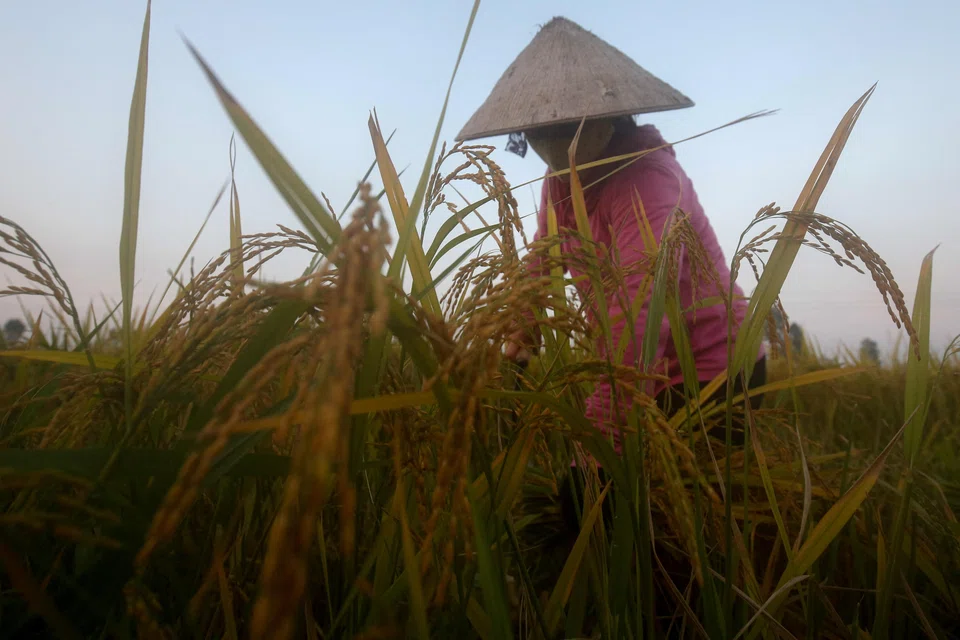
AS THE global population surpasses eight billion people, the resources required to service the global agricultural industry are already under immense strain. According to the UN, it is estimated that within 30 years, 56 per cent more food will be required to feed a world of 10 billion people.
Asia: Numbers don’t add up
The UN Food and Agriculture Organisation (FAO) and the World Bank estimate that agriculture utilises around 46 per cent of the world’s habitable land and 70 per cent of its fresh water, but in Asia resources are more stretched.
Home to 60 per cent of the world’s population, it is estimated that Asia only occupies about 35 per cent of the world’s arable land, prompting calls for communities to adapt and innovate across the agri-food system to improve productivity and efficiencies.
When you add recent disruptions to the global food supply chain to the mix, sparked by unrest in Ukraine and the Covid-19 pandemic, it is clear that the importance of food security should be prioritised as the global population marches towards 10 billion.
Data from FAO indicates that agricultural yields in Asia have been lagging those in North America and Europe, resulting in Asia being a net importer of food, further highlighting the challenge for the agri-food sector in Asia to produce more with less.
Innovation is king
These concerns have resulted in a pressing need for the agri-food sector to innovate. However, traditional agri-food corporates have not been investing heavily in innovation. A report co-authored by Temasek, PwC and Rabobank found that corporate agri-food R&D expenditures are behind other industries such as telecommunications, healthcare, IT, and utilities, with corporates preferring to outsource innovation through partnerships and mergers and acquisitions.
As a result, there has been a rise in agri-food tech startups emerging across the world to tackle the challenges that the agri-food sector faces. This has led to a flurry of investment into the sector in recent years, with savvy investors recognising the untapped potential amid a rising global population and concerns about food scarcity. It is estimated that around US$800 billion will need to be invested across Asia alone in the next 10 years, to drive efficiency and innovation, which presents a significant opportunity.
Based on data from Pitchbook, investment into the global agri-food tech sector peaked in 2021 at around US$47 billion but has declined in recent years due to higher interest rates and a weaker macro environment; a phenomenon that impacted the broader venture capital industry.
A similar trend was observed in Asia, but there are bright spots with the emergence of several Asia agri-food tech companies reaching unicorn status in the past few years, despite the slowing funding climate.
Food scarcity is not the only issue facing the agri-food landscape, prompting calls for further innovation. Globally food losses and wastage are also a significant bugbear for the sector. Based on data from FAO, as much as 40 per cent of food is either lost or wasted through the supply chain globally, and this is due to factors including overproduction, preharvest losses, poor handling through multiple layers of intermediaries and storage infrastructure and lack of adequate cold storage or poor packaging, to name but a few.
In South-east Asia this problem is magnified, with close to 90 per cent of food lost and wasted before it even reaches consumers, emphasising the case for technological developments and adoption to optimise the supply chain and prevent food wastage.
Another challenge for the sector is mitigating current environmental concerns. According to a study by Nature Food, the global agri-food sector accounts for around one-third of global greenhouse gas emissions, more than China, or the global transport and logistics industries. Research suggests the sector is also responsible for 45 per cent of global methane and 80 per cent of nitrous oxide emissions. It is therefore vital for the agri-food system to adopt new technologies and best practices to help reduce the sector’s carbon footprint.
There are more than 450 million small-holder farmers in Asia, and according to the International Fund for Agricultural Development, they contribute to 80 per cent of food produced in the region. However, many currently operate with outdated farming practices and would benefit from technological innovation that will help them make better data-driven decisions, and provide access to financing and markets, thus improving farmer livelihoods and ultimately making the industry more efficient.
Three agri-food key investment themes
Investment into agri-food tech across Asia broadly encompasses three focus themes. Firstly, targeting climate-resilient and sustainable food production; secondly, digitalisation of the agri-food value chain; and finally, propositions that deliver healthier, fresher, and better food options. The technologies deployed reflect the diversity of the farming environments and populations they serve: some high-tech and high-cost, others involving better practices and new business models to provide home-grown solutions.
Investment opportunities in each focus theme vary from region to region. In India and developing South-east Asia, opportunities in market linkage through digitalisation are significant due to the high level of market fragmentation, supply chain inefficiencies and quality issues.
In Australia and New Zealand, climate change, weather volatility and rising labour costs strain agricultural productivity and efficiency. Opportunities in sustainable production such as methane reduction in ruminant livestock, and digitalisation such as precision agriculture and robotics aim to address these issues.
In North Asia, an ageing and shrinking farmer population, as well as rising consumer interest in health and wellness, are driving opportunities in sustainable production such as controlled environment agriculture, as well as healthier, fresh, and better food delivered through direct-to-consumer platforms as consumers demand for more transparency and quality in food sourcing.
With an estimated US$800 billion investment required over the next decade, the agri-food sector in Asia presents significant investment opportunities.
The writer is investment director at Seviora Capital
TRENDING NOW

Government to bring forward raising of retirement age, give employers more financial support to create flexi-load jobs

Former minister Maliki Osman, Revolut chairman join Asia Gulf Holdings advisory board

Is Manila Asia’s new dining hot spot?

Simba at risk of losing operating licence over spectrum misuse

