THINKING ALOUD

In the AI age, we must all be fact-checkers

Identifying artificial intelligence-generated content is getting more difficult but we should not stop trying

Summarise
Derryn Wong
Published Tue, Aug 4, 2026 · 07:00 AM
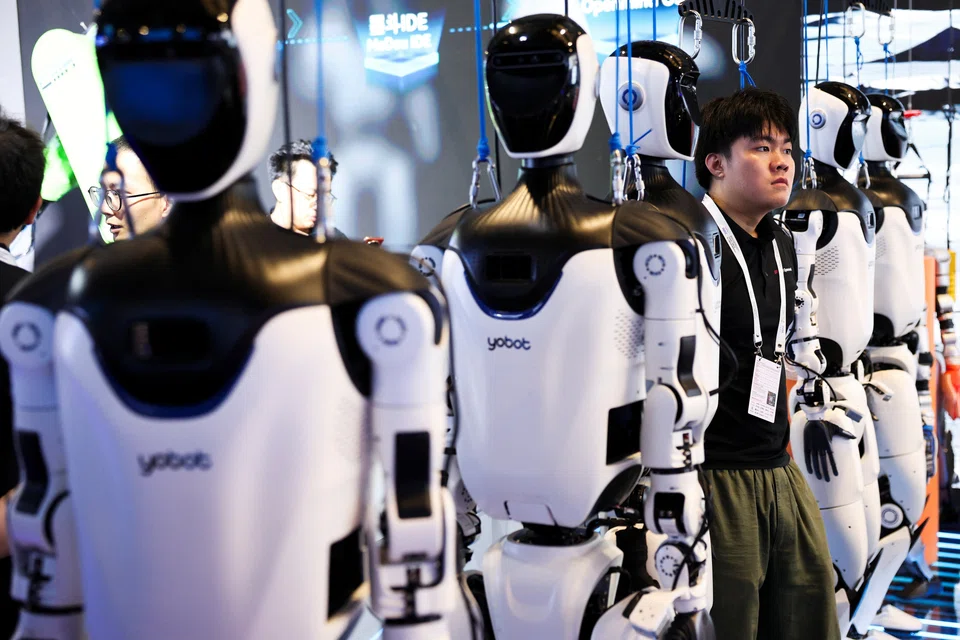
    • We don’t have androids yet, but it is chilling to know there is no foolproof “Voight-Kampff test” for detecting AI-generated content, says the writer.
    • We don’t have androids yet, but it is chilling to know there is no foolproof “Voight-Kampff test” for detecting AI-generated content, says the writer. PHOTO: REUTERS

    [SINGAPORE] In the movie Blade Runner, there are “replicants” – bioengineered humanoids that are almost indistinguishable from regular humans.

    The fictional Voight-Kampff test is used to detect these androids so Harrison Ford can retire (that is, kill) them.

    The film and the Philip K Dick novel it is based on – Do Androids Dream of Electric Sheep? – give watchers much to think about regarding the blurry line between fiction and reality.

    It is prescient. We don’t have androids yet, but it will chill you to know there is no real-life and foolproof Voight-Kampff test for content generated by artificial intelligence.

    There is no silver bullet for verifying whether content is AI-generated, said one of the trainers at AFP’s course on digital investigation, which I recently attended.

    That’s all the more scary, since these are the professionals who deal with digital deceit on a daily basis.

    In other words, now – more so than at any point in history – you can no longer trust what you read, see or hear. And that makes fact-checkers of us all.

    The spaghetti incident

    It is more concerning because of how quickly AI has developed over the last few years.

    The gold standard for AI videos is the “Will Smith eating spaghetti” test.

    The mildly horrific video that emerged in 2023 convinced no one that it was a real video of the actor enjoying a meal, but the latest AI-generated iterations of the scenario could make him have Italian with Chris Rock and be entirely believable.

    If AI content is so difficult to identify and becoming more realistic all the time, should we despair and fall deep into the uncanny valley of dancing animal slop?

    For now, no, thanks to human ingenuity.

    Even though determining AI involvement is not infallible, there are many ways of checking if content is artificial.

    They include considering context, history, geolocation, verification with (non-synthetic) people on the ground and more.

    Less formal and more enjoyable ways to learn these skills can be found on social media.

    Content creator Jeremy Carrasco (@jeremyfindsai) is one among many who post analyses of AI videos, explaining the giveaways such as a typical length of five seconds, continuity issues and more.

    The subreddit r/isthisAI has plenty of examples and reads like a crash course in AI identification – with the benefit of sometimes entertaining human context.

    Some users lament that they are unable to convince their elderly aunt that she should not send money to the silver-fox oil-rig driller because he isn’t real.

    In another instance, one user claimed he had hired a food truck, which ended up more than five hours late because of a tyre puncture.

    Redditors immediately flagged the evidence of AI with SynthID – Google’s AI content watermark. They included unrealistic puncture patterns and other proof, including inconsistent wording and gibberish codes printed on the tyres.

    It’s a speed run of what journalists have to do when fact-checking (corroborate, contextualise, contact) and more, with what seems like expert opinions to boot.

    Could an official crowdsourced AI-verification portal be on the cards? With the growing risk of high-quality fakes and frauds or attacks that could easily target a person, that is something I would pay for.

    In other words, there is no silver bullet, but there are plenty of other types of human-powered tools to quash mechanical mendacity.

    Now, if we could only be sure all these users are not androids.