

AI and sustainability: Tackling both, holistically
If organisations and data centre operators were struggling to implement a realistic green policy even before the rise of AI, how can they meet these targets now?
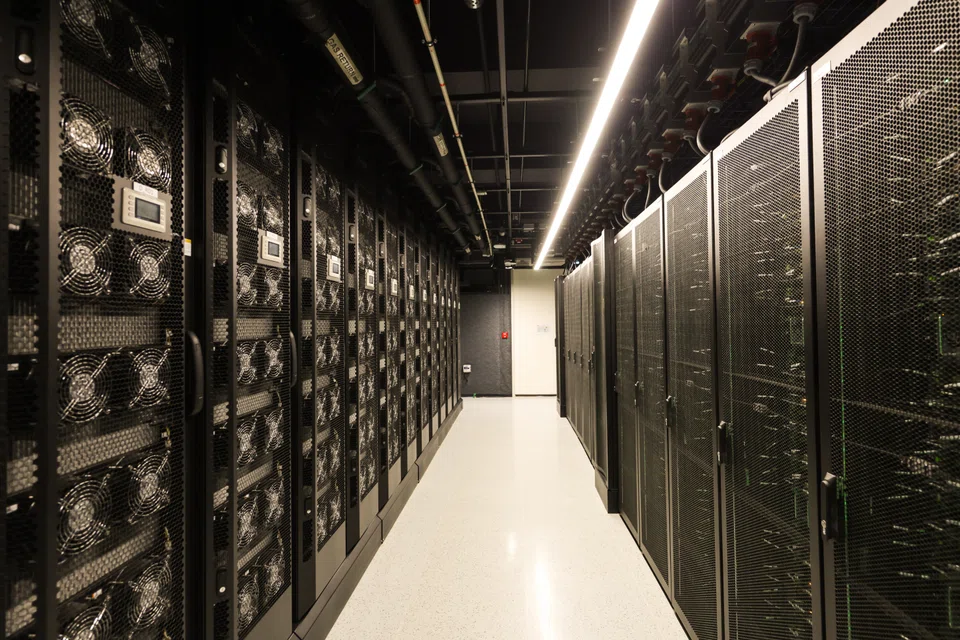
HERE’S an unpopular opinion: In our current state, we won’t be able to meet our green data centre targets while also addressing artificial intelligence (AI) demands.
Many data centres today are pressured to maintain relevance in the AI boom by claiming to be AI-ready, even in facilities that are decades old. Yet, if we dig a little deeper, we also know that traditional, general-purpose infrastructure may be too slow and inefficient for running AI workloads.
Even if brownfield operators are willing to completely gut and rebuild their facilities, they may not meet the space or technical requirements to be purpose-built for AI.
The pressure is on for data centres to be greener and smarter. Businesses and operators have been announcing carbon targets and initiatives to reduce their footprint even before AI dominated headlines. However, there is a risk that these plans and commitments may be overly ambitious.
According to non-profit organisation Carbon Disclosure Project, only 2 per cent of more than 21,000 companies disclosed high-quality, comprehensive environmental data last year – which is essential for upholding the accountability and transparency of carbon commitments.
If organisations and data centre operators were struggling to implement a realistic green policy even before the rise of AI, how can they meet these targets now?
Untangling the AI and sustainability conundrum
Unfortunately, building a greener AI data centre is not as simple as retrofitting the facility with new technology, like building a liquid cooling data hall. Careful planning is required to ensure seamless integration and minimise service disruption. Facility operators also have to recalibrate metrics such as power usage effectiveness (PUE) during this process, or risk throwing off their sustainability assessments.
The most obvious but time-consuming approach for organisations is to assess their AI wants and sustainability requirements in parallel. Operators could build out a purpose-built facility, or even redesign part of an existing data centre while handling gradual AI workloads, and ensuring that PUE, water usage effectiveness, and green targets are being met.
If these targets are not met, organisations can “tweak” their design and settings as they go. Data centre infrastructure management (DCIM) software can help operators monitor and manage both AI power usage and carbon emissions simultaneously.
AI can also be leveraged for operational efficiency – companies such as Red Dot Analytics are partnering DCIM solution providers to provide AI-enabled predictive analytics capabilities.
However, this is often easier said than done. The challenge here is really not the technology but rather, the people.
Typically, there are two teams that operate cloud and data centre buildings – the operations or facility team, and the IT team.
Facility teams work with operational technology (OT) such as air-conditioning, lighting, and power systems. The sustainability mandate usually falls on them.
On the other hand, IT teams look at issues involving connectivity, security, and availability. The world of AI typically comes under their purview.
If you are in a leadership role, you may already see the problem with such a set-up. Both teams may work for the same company, but have two completely different sets of priorities. This causes issues when organisations are trying to look at challenges and opportunities holistically.
To bridge this gap, organisations should have a centralised platform or person bringing both aspects together. Or, a person in each team could be appointed to be responsible for both the IT and OT aspects of the facility, effectively taking on the role of facilitators and sponsors who can bridge the communication divide between both teams.
Given the niche skill sets required for such roles, companies may have to identify and support the individuals with training opportunities. Otherwise, organisations could look at engaging consultants with the technical expertise, governance and compliance knowledge to ensure that their facilities remain compliant with evolving regulations, and get over go-to-market hurdles.
Holistic perspective required
Right now, many data centres, cloud and colocation providers are addressing AI and sustainability in silos due to the way their teams have been structured. Like a ship with two captains – without a unified direction, it’s likely to drift off-course, away from promised sustainability and AI targets.
Before implementing an AI or sustainability strategy, business leaders need to start looking inwards to assess if their current organisational structure is conducive to collaboration, and ensure accountability in meeting sustainability commitments.
The successful integration of strategy, technology and teams for sustainable growth will ensure resilience in the long run.
Amid the excitement around AI, it’s important that we acknowledge that the required resources must be ensured to guarantee sustainable growth – not just within the data centre industry.
By examining and tackling the impact that AI has on our green commitments, we can pave the way for more informed, responsible AI development and data use. This may require difficult conversations and choices, but it will ultimately ensure the sustainable development of our digital economy.
The writer is Asia-Pacific director of digitalisation, cybersecurity and data centres at Eaton
TRENDING NOW

Once staunchly pro-China, Malaysian Chinese businesses are now distancing themselves from Beijing

Stocks to watch: HPL, Aims Apac Reit, Zico, Advanced Systems Automation, ComfortDelGro
‘How many will survive?’: Bubble fears arise as China’s humanoid robotics face reality check

Smaller board lots can’t fix a market run by three banks

