THE BROAD VIEW

AI’s open-source moment could be the turning point for its future

DeepSeek-R1 has demonstrated that high-performing AI models can be trained with significantly lower compute costs and supporting infrastructure
Summarise
    • DeepSeek-R1 was trained using only 2,788 GPUs, achieving a 96 per cent reduction in training costs compared with other leading AI models.
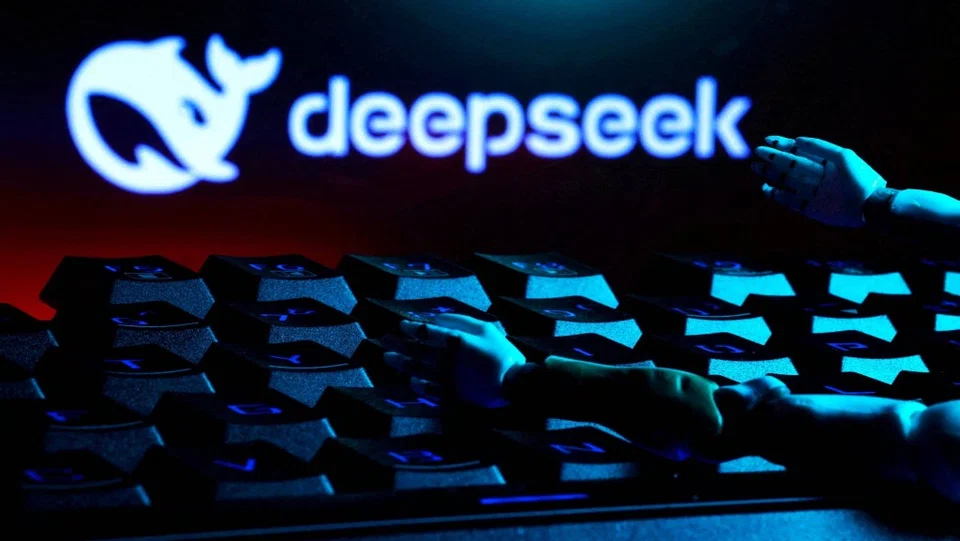
    • DeepSeek-R1 was trained using only 2,788 GPUs, achieving a 96 per cent reduction in training costs compared with other leading AI models. IMAGE: BLOOMBERG
    Published Sat, Feb 15, 2025 · 05:00 AM

    THE overnight success of DeepSeek-R1, an open-sourced artificial intelligence (AI) reasoning model demonstrating competitive performance in certain tasks, validates the argument that open, efficient models – when built with optimised architectures and tuned with the right data – can deliver strong competitive performance against proprietary approaches.

    This milestone event challenges the conventional narrative that training high-performing AI models requires over US$1 billion and thousands of the latest chips. DeepSeek-R1 was trained using only 2,788 GPUs, achieving a 96 per cent reduction in training costs compared with other leading AI models. While proprietary models still require substantial computational investments, DeepSeek-R1 has demonstrated that high-performing AI models can be trained with significantly lower compute costs and supporting infrastructure.

    Open source, open approaches

    Open source is the path forward for AI. Innovation doesn’t happen in a vacuum. It’s a team sport – no single organisation can change the game on its own, no matter how resource-rich it is. Open-source AI enables and ignites innovation across the ecosystem by tapping into the collective brainpower of organisations and individuals quickly and easily. It extends access to key AI system components, including datasets, code and model parameters.


    With the diversity of approaches, skill sets and resources that open systems bring, truly transformative innovation is unleashed. AI innovation fosters collaboration across the AI value chain, enabling stakeholders to learn from and build upon each other’s expertise. This has been demonstrated time and again: AI feeds on diversity, and increased access lowers costs. Different perspectives and approaches unlock different solutions, regardless of their source – geographic or otherwise.

    Many countries in the Asia-Pacific are ahead of their global counterparts in deploying enterprise AI solutions into their business operations. The latest AI adoption research shows that India (59 per cent), UAE (58 per cent), Singapore (53 per cent), China (50 per cent), and South Korea (40 per cent) reported higher AI adoption rates in 2023 than the US (33 per cent), UK (37 per cent), Italy (36 per cent), Germany (32 per cent), and Spain (28 per cent). These figures confirm the Asia-Pacific’s strong leadership in enterprise AI adoption.

    Open source, open innovation

    Now that the cost myth has been dispelled by the open-source movement, AI innovation is no longer controlled by a select few companies advocating for closed, proprietary AI. This turning point is expected to accelerate further advancements – not just in cost reduction but also in the practical application and accessibility of AI for enterprises of all sizes. Following DeepSeek’s overnight fame, researchers from Stanford and the University of Washington released a paper claiming to have used just 16 H100 GPUs to create a low-cost AI reasoning model rivalling OpenAI’s, in just 26 minutes for under US$50!

    AI will follow the trajectory of past technological revolutions. Initially, computing access was restricted due to prohibitive costs. However, technological advancements and economies of scale made computing more accessible, unlocking new waves of adoption and innovation. Similarly, history has shown that open-source communities empower developers and researchers to accelerate responsible AI innovation while ensuring scientific rigour, trust, safety, security, diversity and economic competitiveness.

    However, transparency in AI development varies. While open-source AI fosters openness, not all models disclose their training data. Some models remain opaque about their training sources, making transparency and governance a critical consideration for enterprises looking to deploy AI at scale.

    Open source, open responsibility

    While open-source AI offers significant advantages, there are also emerging concerns around data governance, compliance and security risks. For instance, AI models developed in different regions may be subject to varying regulatory requirements and data-sharing obligations. These geopolitical and compliance considerations are crucial for enterprises deploying AI across borders.

    Another key consideration is multi-model and hybrid AI strategies. Open-source AI does not necessarily mean choosing one model over another, but rather leveraging a mix of models optimised for different use cases. The ability to integrate open-source AI with proprietary solutions in cloud, on-premises, or hybrid environments enables businesses to maximise efficiency while maintaining security and compliance.

    Finally, architectural innovations such as Mixture of Experts (MoE) are driving new efficiencies in AI model training and deployment. MoE has been instrumental in reducing computational overhead while maintaining high performance, offering up to 30 times inference cost advantages in enterprise AI applications.

    As AI continues to evolve, embracing openness, transparency, and multi-model strategies will be critical to driving innovation while ensuring AI remains responsible, secure and accessible to all.

    Open source, open future

    The future of AI belongs to everyone – not just a handful of organisations. This is why global collaborations have emerged to foster an open AI innovation ecosystem. Open access will transform today’s AI users into tomorrow’s AI builders, enabling applications in areas we have yet to imagine.

    Organisations are embracing open source, developing code, and integrating open-source principles into their AI development processes. Recent research found that 44 per cent of IT decision-makers in Singapore plan to optimise AI implementation using more open-source solutions in 2025. More businesses across the Asia-Pacific are expected to follow this trend.

    AI is the most transformational technology of our time. It has the potential to empower humanity in tackling the world’s most pressing challenges. However, AI’s true potential can only be unlocked when its development is democratised rather than controlled by a select few. Open-source AI will ensure that individuals, businesses, and governments across the Asia-Pacific and beyond can access its benefits and opportunities, ushering in a new wave of technological and economic progress.

    The writer is general manager of IBM Asia-Pacific