

America needs more immigration
Sustaining strong economic growth requires newcomers to offset declining birth rates
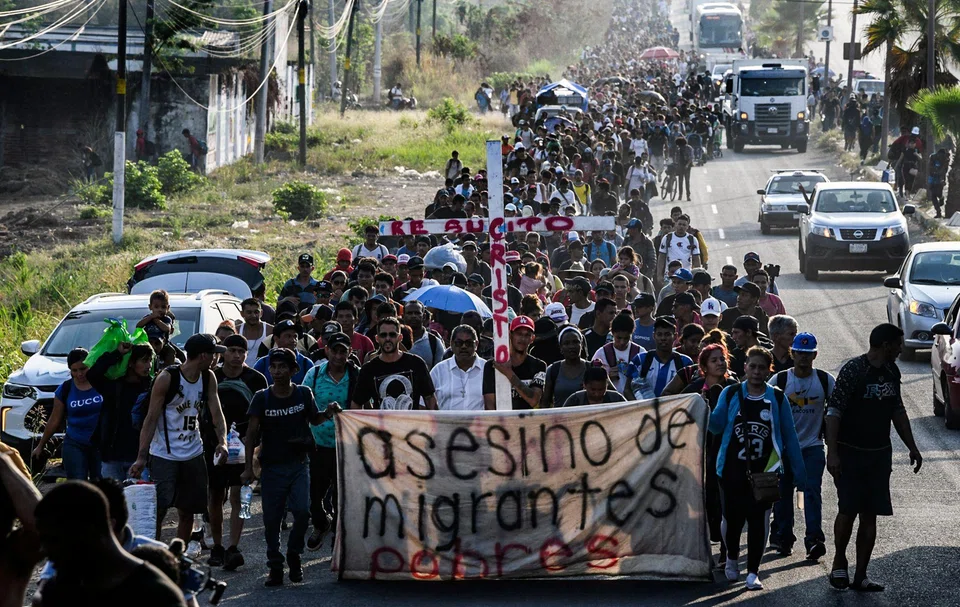
WASHINGTON, DC – With an unprecedented number of migrants and asylum seekers trying to enter the United States through its southern border, immigration is at the top of American voters’ minds ahead of November’s presidential election. Paradoxically, this debate has gained momentum just as the US economy outperforms other developed economies, partly owing to immigration-fueled population growth.
The Japanese economy should serve as a cautionary tale about the perils of opposing immigration. After growing rapidly following the end of World War II, Japan’s population peaked at 128.1 million in 2010. It had dropped to 124 million by early 2024 and is expected to decline further, falling below 100 million by 2055.
Japan’s economic stagnation since the 1990s can be partly attributed to its demographic challenges, as its working-age population declined from 86.8 million in 1993 to 81.5 million in 2010. While initially opposed to immigration, Japan eventually introduced various incentives to encourage it. But these measures have yielded only modest results, and the country’s population continues to shrink.
TRENDING NOW

ComfortDelGro appoints two new independent directors

Once staunchly pro-China, Malaysian Chinese businesses are now distancing themselves from Beijing

NoonTalk needs continued financial support from CEO Dasmond Koh, auditors warn

DP Architects sets the benchmark for sustainability disclosure and design

