

America needs more Jimmy Carters
The 39th US president’s life offers countless lessons for leaders everywhere
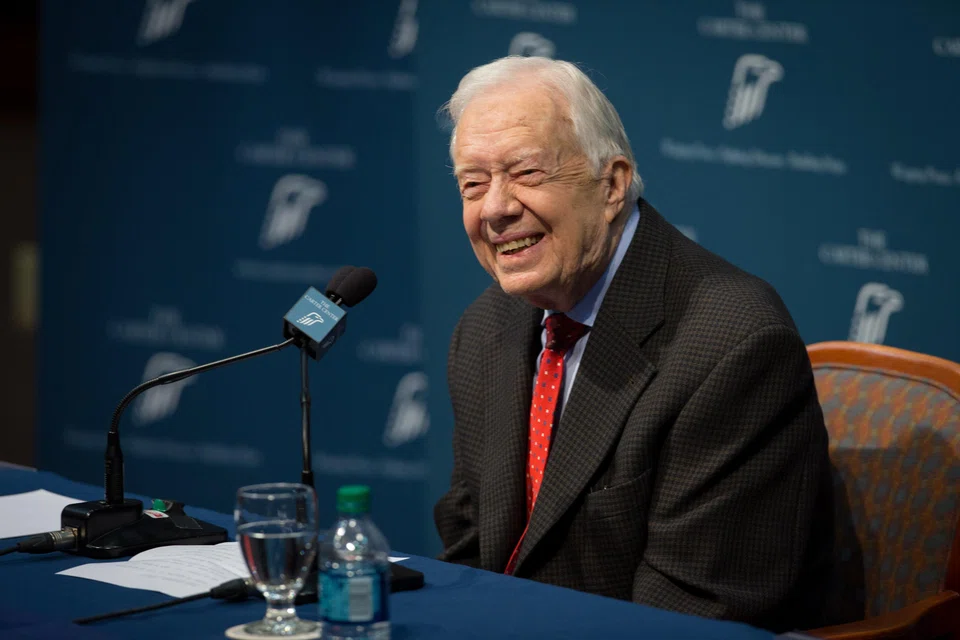
THERE is no predicting history’s verdict. Up to now, Jimmy Carter, who died on Sunday at age 100 in Plains, Georgia, has been judged to be a middle-of-the-pack president, his one term in office remembered for circumstances and events that simply overwhelmed him: the seizure in Iran of 52 American hostages, the bungled attempt to rescue them, the gasoline lines, inflation, the Soviet invasion of Afghanistan.
Yet, he is also considered one of America’s greatest ex-presidents, for using the residual star power of his office to help his successors and his country as a peacemaker, backstage diplomat, human rights champion, monitor of free elections and advocate for the homeless while finding time to write poetry and, by his own example, providing the best possible case for traditional religious values.
In 2002, having been nominated many times for the Nobel Peace Prize, Carter finally won it for his “vital contribution” to the Camp David agreement, which set the stage for peace between Israel and Egypt, as well as for his commitment to human rights, his work fighting tropical diseases and for furthering democracy everywhere.
TRENDING NOW

Once staunchly pro-China, Malaysian Chinese businesses are now distancing themselves from Beijing

Britain’s mansion tax shows the difficulty of targeting wealth

Three hats, one goal: How Ng Kian Swan runs sustainability at NUHS

COE review: The gap between luxury and mass-market cars isn’t the only one worth bridging

