
Is America reverting to isolationism?
There is good reason to worry about what a Republican victory in 2024 could mean for the US-led global order. History suggests that when Americans embrace retrenchment, much more than just liberal internationalist principles suffer for it.
 Add BT as a preferred source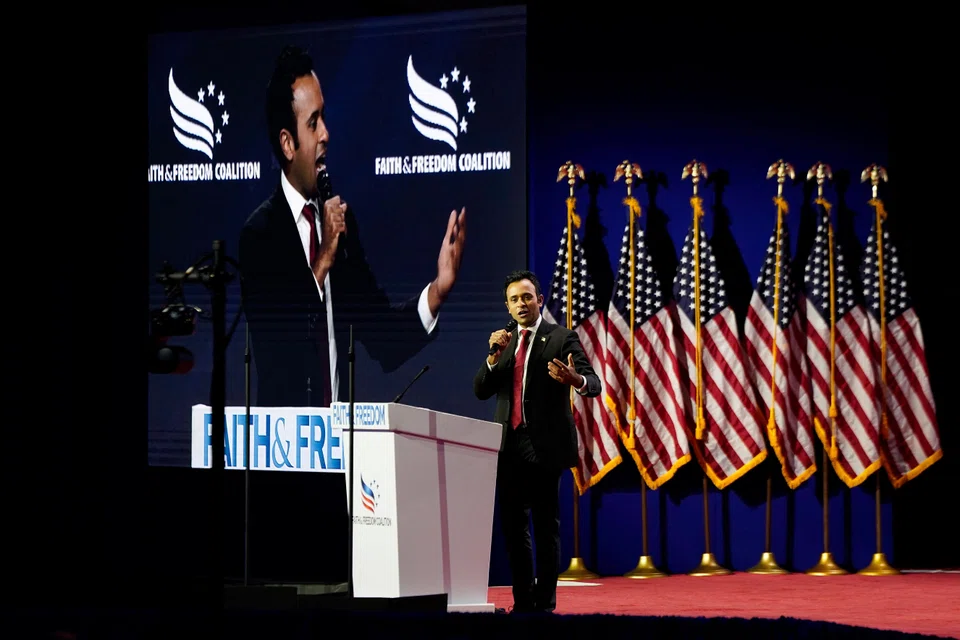

THE first debate between the Republican Party’s candidates for next year’s US presidential election revealed major schisms over foreign policy. While former US vice-president Mike Pence and former US ambassador to the United Nations (UN) Nikki Haley defended America’s support for Ukraine in Russia’s war of aggression, Florida Governor Ron DeSantis and businessman Vivek Ramaswamy expressed scepticism. Former president Donald Trump – the unquestioned front runner – skipped the event, but he, too, has objected to US involvement in that conflict.
Polls show that rank-and-file Republicans are as divided as the candidates. That raises concerns that if an isolationist Republican wins in 2024, it could mark a turning point for the US-dominated international order established at the end of World War II.
Historically, American public opinion has oscillated between extroversion and retrenchment. Having witnessed the tragic consequences of the isolationism of the 1930s, President Franklin D Roosevelt launched the process that culminated in the creation of the Bretton Woods institutions in 1944 and the United Nations in 1945. President Harry Truman’s post-war decisions then led to permanent alliances and a continual US military presence abroad. The United States invested heavily in European reconstruction through the Marshall Plan in 1948, created the North Atlantic Treaty Organization (Nato) in 1949, and led the UN coalition that fought in Korea in 1950.
Decoding Asia newsletter: your guide to navigating Asia in a new global order. Sign up here to get Decoding Asia newsletter. Delivered to your inbox. Free.
Share with us your feedback on BT's products and services

