

Anticipating Trump’s foreign policy
Even if predictions based on campaign statements and Cabinet appointments leave us uncertain, Donald Trump’s worldview can still be located in a longer-running US tradition. After all, he is hardly the first politician to proclaim “America First”.
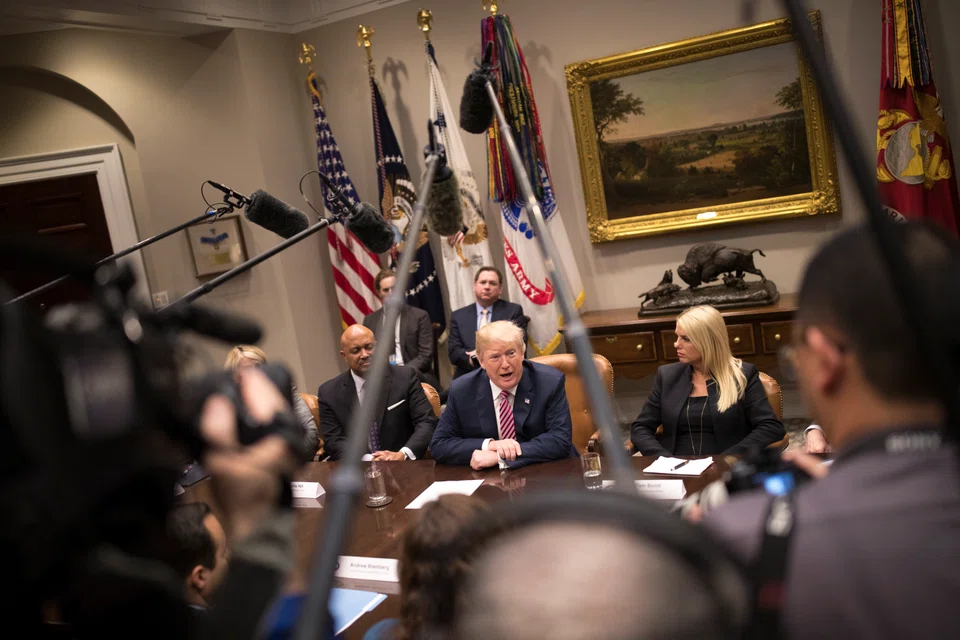
[CAMBRIDGE] Prediction is always difficult, but doubly so in the case of the US president-elect. Donald Trump not only speaks loosely and changes his positions often; he also considers unpredictability to be a useful bargaining tool. Still, one can try to get a sense of what his foreign policy will look like from his campaign statements, his high-level appointments, and his first term.
In Washington, it is often said that “personnel is policy”. But while we already know whom Trump wants for key positions, the problem is that their stated views sometimes conflict with each other. With Trump making every effort to avoid the traditional Republicans who hemmed him in during his first term, the common denominator among his choices this time is personal loyalty. But even this quality does not help us predict policy.
Consider the question of China. Trump’s choices for Secretary of State and national security adviser – Senator Marco Rubio and Representative Michael Waltz, respectively – are well-known “hawks” who see China as a dominant threat that demands a strong response. We also know from his campaign that Trump is eager to introduce new tariffs on imports from allies, with even higher tariffs on goods from China.
TRENDING NOW

Government to bring forward raising of retirement age, give employers more financial support to create flexi-load jobs
Indonesia stocks suffer worst plunge in nearly 30 years as MSCI proposes standalone status
If Europe goes to war, the fallout will be felt in East Asia
Natural gas to stay for the long haul beyond 2050: Singapore International Energy Week panellists

