Anwar Ibrahim has work cut out as Malaysian PM
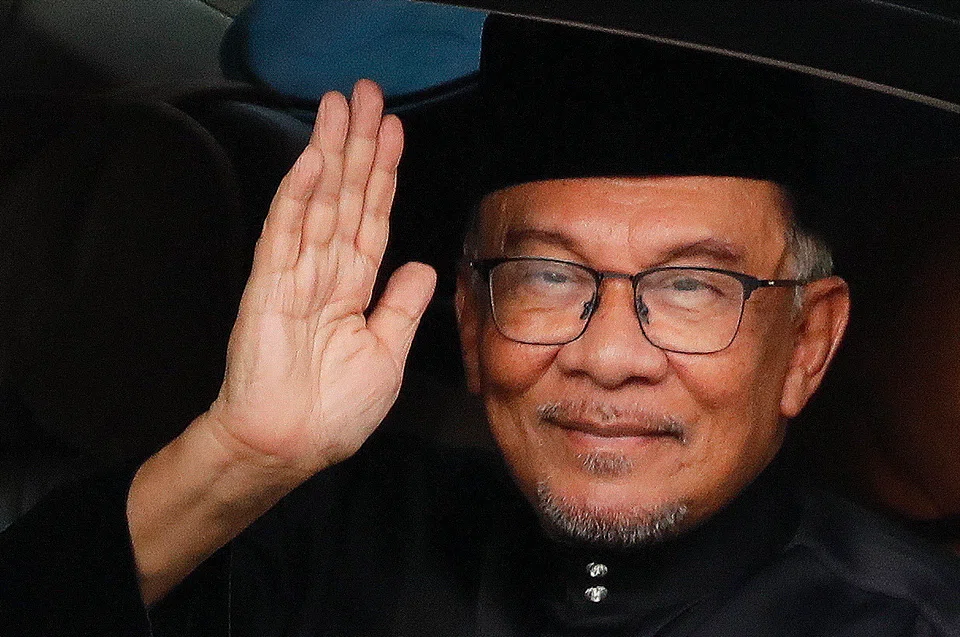
THERE is every chance that the newly-minted Malaysian prime minister will have an even more exacting time in successfully running the country for the next five years, than the previous 24 Anwar Ibrahim spent trying to get into the office.
To begin with, he will be presiding over a fractious coalition of alliances, each partner pushing its own agenda. The formerly dominant Umno (which leads the Barisan Nasional alliance) can be reasonably expected to mount campaigns that would ensure it regains the trust of Malay voters. And Anwar’s Sarawak partners want even more state autonomy than they enjoy now, this time over education and health matters.
Then it has to be noted, Anwar is really the junior partner within his own Pakatan Harapan (PH) alliance; the Chinese-based Democratic Action Party (DAP) has the most party seats. The DAP will demand things that rub hard against the demands from his other partner, Umno, especially in these times of post-Covid and Ukraine war-induced economic uncertainty. And all the while, the opposition Perikatan Nasional, of which the theocratic Parti Islam SeMalaysia (PAS) is the senior partner, will seek to remind Anwar at every turn that he rules without the consent of the majority Malay-Muslim voters, given that PAS garnered the most seats of any single party, all at the expense of Umno.
And as if all this were not enough, his PH election manifesto was perhaps the most reformist ever in a Malaysian election. Among other things, a PH-led government promises to end the system where the prime minister of the day decides when to call an election, and move to a government of fixed terms; thus parliamentary elections will always be due at the end of the five-year term. It is supposed to reduce political instability, but as the recent antics in Britain proved, a fixed term provides no obstacle to political skulduggery.
Then, there is a plan to end gerrymandering by imposing a deviation limit of 30 per cent on the average size of constituencies. This used to be the rule in the country’s early days after independence. The provision on constituency sizes was removed after the May 13 race riots in 1969, to enhance the political salience of rural voters. With industrialisation, the countryside has been emptied of young people; most voters now live in urban or semi-urban areas. But to get such a proposal through, parliament would require consensus. Otherwise, it is likely to trigger alarm, real or feigned, from those who stand to lose from a new arrangement. Resistance from PAS (which has an interest in maintaining the status quo) for instance, will cast the proposal as an attempt to diminish the constitutional prerogatives of Malay-Muslims. As well, Anwar’s coalition plans to introduce a Freedom of Information Act, presumably to supplant the draconian Official Secrets Act. There are proposals on official recognition of Chinese schools’ certificates, on abolishing the Sedition Act, and other laws limiting free speech. Indeed, the list is long.
In the years since he was sacked and jailed in 1998, Anwar has shown himself to be a tough, resourceful and patient politician. But he takes office at age 75 with so much on his plate. He will be sorely tested as he works through his agenda.