Asean’s credibility at stake as unresolved Myanmar crisis set to dominate summit talks once more
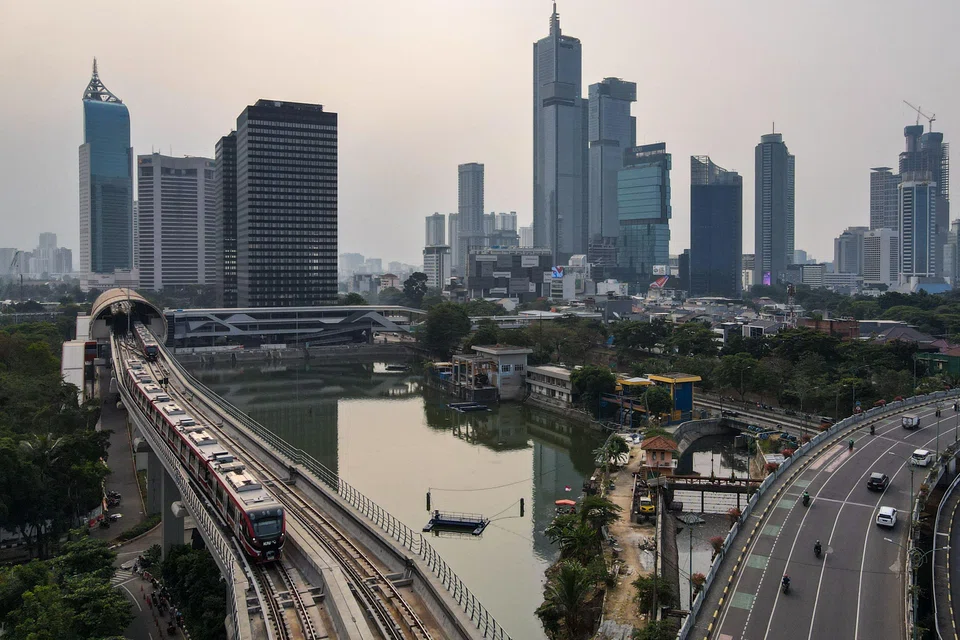
THE eyes and ears of the world will be trained on Jakarta next week, when 27 world leaders and the chiefs of international organisations gather in the Indonesian capital for the second and final Asean Summit of 2023.
This will be the last Asean regional summit that Indonesian President Joko Widodo will host, before he reaches the end of his two-term limit next year. The key issues on the discussion table at the meeting, however, remain largely similar to those on the agenda when the leaders last met on the Indonesian harbour town of Labuan Bajo in May.
Once again, the ongoing bloody civil strife in Myanmar is set to dominate much of the talks from Sep 5 to 7, as the violence continues to rage on after more than two-and-a-half years with no signs of abating.
It’s a thorny situation for the bloc’s leaders and their external partners to be in, especially as Myanmar’s military junta has shown no desire to implement the five-point consensus that all leaders had agreed to back in April 2021.
This peace plan calls for an immediate end to violence; holding dialogues among all parties; the appointment of a special envoy; allowing humanitarian assistance by Asean; and allowing an Asean special envoy to visit Myanmar and meet with all parties.
None of these have taken place in a meaningful way, of course, and while the Asean Summit is an ideal platform as it brings the leaders under one roof, the grouping now only allows Myanmar to send a non-political representative to the meetings. The generals have been barred from attending the summits in-person since the February 2021 coup.
As things stand, Myanmar has already given up its turn to hold the rotating chairmanship of the bloc in 2026, as a result of the current situation and the country’s inability to prepare for such a high-profile event. The decision by the military junta is a clear indication that the instability is likely to drag on for quite a while more, with the state of emergency recently extended for a further six months.
Complicating matters is Myanmar’s controversial expulsion of Timor-Leste’s top diplomat in the country, due to a meeting in Dili between Timor-Leste President Jose Ramos-Horta and the foreign minister of Myanmar’s banned shadow administration.
This has cast a shadow on East Timor’s admission into Asean as the 11th member, with Prime Minister Xanana Gusmao going so far as to say his government could reconsider its bid if the bloc cannot convince Myanmar’s junta to end the conflict.
With Asean’s strategic partners set to attend next week’s summit, the opportunity is there once more to take a united stance and agree on how best to engage with Myanmar’s military.
Some observers have made the point that Asean should reconsider its decades-long policy of non-interference in the affairs of its member states. But given how the Myanmar crisis has dragged on for so long, it is important for the bloc to take a collective stand that shows it is accountable, effective and credible, and can deliver workable solutions to resolve the conflict as soon as possible.