

Asia’s energy infrastructure should be stress-tested like banks
Safeguards must extend beyond the national level to also consider regional systems
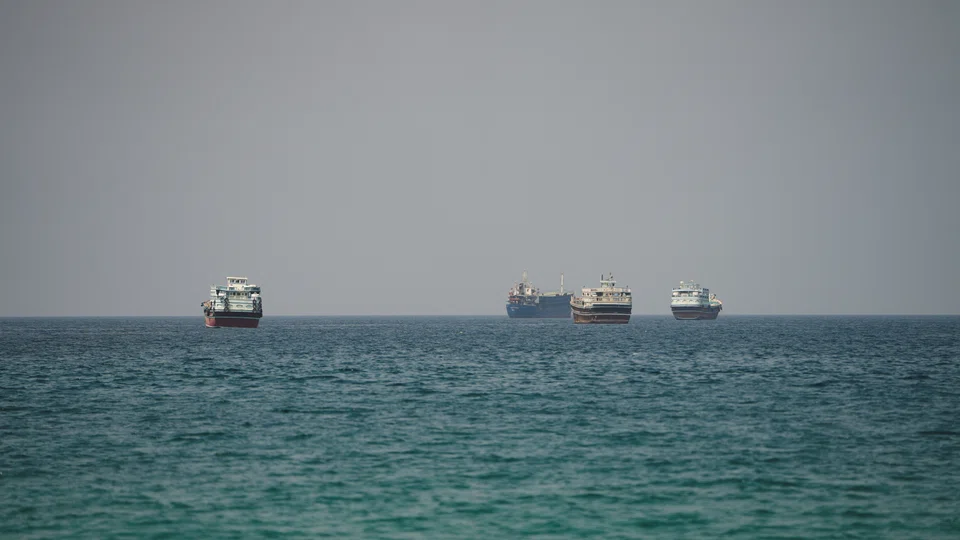
WITHIN months, the Strait of Hormuz showed – twice – how an energy choke point can transmit a shock through the global economy.
Its closure in March 2026 disrupted almost 20 per cent of global liquefied natural gas (LNG) trade. Traffic partially recovered in June, before renewed fighting restricted the waterway again.
Asia is particularly exposed. LNG passing through Hormuz accounted for 27 per cent of the region’s imports in 2025, compared with 7 per cent for Europe. Disruption can quickly affect electricity, transport, manufacturing, food prices and household budgets.
TRENDING NOW

DBS, OCBC, UOB rout lops billions off STI as inflation, rate concerns spook investors

Grab CEO’s wife Chloe Tong on life with Anthony Tan and finding her purpose

OCBC sheds S$8 billion in value as shares close nearly 6% down; analysts cautious on banks

Deal between tycoon friends sparks scrutiny of Philippine power sector

