

Asia’s future will be won by soft power, not force
Such power often determines how long crises last and how much economic damage they inflict
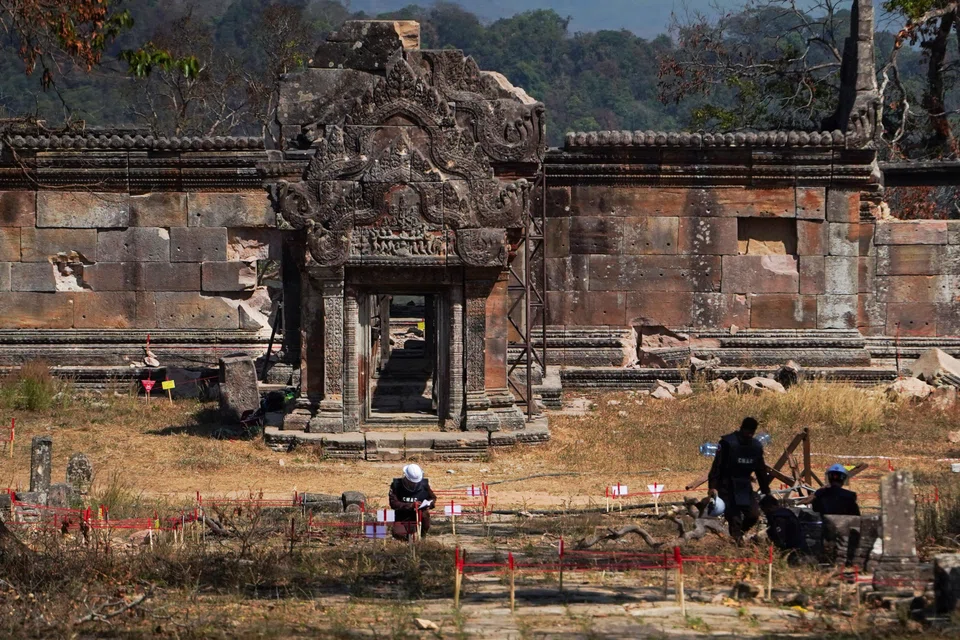
FOR much of Asia’s history, power has been measured in force. From the conquests of Genghis Khan to the wars of ideology and territory that shaped the 20th century, military strength determined who ruled and who yielded.
That legacy still shapes the region’s politics. Today’s headlines are filled with missile tests, border stand-offs, and military deployments. The Thai-Cambodian border disputes, China’s pressure in the South China Sea, and recurring crises between India and Pakistan all suggest a region where hard power remains central.
Yet, these same cases point to a quieter but increasingly decisive reality: while force still sets limits, soft power often determines whether tensions escalate, how long crises last, and how much economic damage they inflict.
TRENDING NOW

DBS, OCBC, UOB rout lops billions off STI as inflation, rate concerns spook investors

Grab CEO’s wife Chloe Tong on life with Anthony Tan and finding her purpose

OCBC sheds S$8 billion in value as shares close nearly 6% down; analysts cautious on banks

Deal between tycoon friends sparks scrutiny of Philippine power sector

