Asia’s no-coal goal: Swift action required for clean energy transition
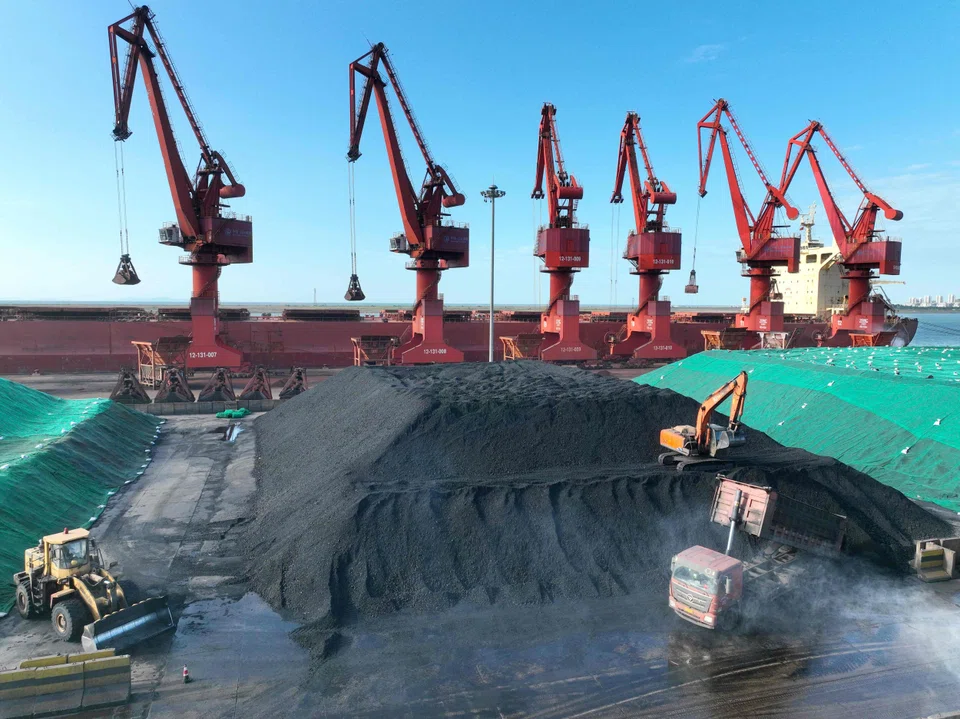
THE world is at a critical juncture in the fight against climate change. As the largest and fastest-growing region, Asia holds the key to global success. With more than half of global greenhouse gas (GHG) emissions originating from this continent, the commitment of Asian countries to phasing out coal is of paramount importance.
A large part of the success of global efforts to combat climate change hinges on Asian countries reducing their reliance on coal. The rising frequency of extreme temperatures is driving surges in electricity consumption, subsequently increasing demand for fossil fuels. This makes it imperative for Asia to embrace renewable energy alternatives that can meet its growing energy needs sustainably.
China, the world’s largest emitter, has made significant strides by pledging to become carbon-neutral by 2060 and reach peak coal consumption by 2025. Likewise, Japan has set ambitious goals to cut emissions by 46 per cent to 50 per cent by 2030 and to achieve net-zero emissions by 2050, with South Korea also aiming to reach net-zero emissions by mid-century.
These commitments highlight the determination of Asian nations to transition to cleaner energy sources. However, challenges persist with Asia’s two largest economies, China and India, continuing to actively promote coal-fired power generation.
In 2022, the Chinese government approved the construction of a staggering 106 gigawatts (GW) of coal-fired power facilities. While 50 GW of this capacity was already under construction, an additional 56 GW was slated to begin construction in 2023.
Similarly, India’s National Electricity Policy (NEP) aims to install 50 GW of coal-fired generation over the next decade, with 25 GW currently under construction and plans for an additional 25 GW in the pipeline. Japan and South Korea do not have active plans for phasing out coal or for building new coal-fired power plants in the near future.
Indonesia and Vietnam, which together account for some 65 per cent of coal-fired capacity in the region, have also taken steps towards transition.
As part of the Joint Energy Transition Partnership (JETP) agreement signed during COP27, Indonesia committed to suspending nearly 14 GW of on-grid coal-fired power plants and decommissioning existing coal plants ahead of schedule. Vietnam, another signatory to the JETP agreement, pledged not to exceed an additional 6 GW of coal capacity in the future. The country has remained committed to this target, with about 6.125 GW currently under construction.
Other significant markets such as the Philippines are following suit, with a substantial reduction in pre-construction stage coal capacity from 10.1 GW in 2019 to 1.6 GW in 2022, and major players such as Ayala Corp announcing that it is looking to fully exit from coal by 2030.
While these are great indicators of progress, moving away from coal is a lot harder than people realise. Within Asia, it is important to acknowledge that the current energy system is heavily optimised for the use of fossil fuels. Decarbonising the energy system will require countries to accept losses in stranded fossil infrastructure before their planned retirement.
It also requires significant upfront investment in renewable energy, which can be challenging for developing nations. However, “green” investments will be spent domestically to upskill the local workforce, drive technology developments and boost local supply chains, all of which are vital moves for countries to compete globally in a net-zero future.
As Asia faces the pressing need to reduce its reliance on coal and combat climate change, a shift towards renewable energy sources is not only an environmental imperative but also an opportunity for economic growth, job creation, and technological innovation.
Vietnam’s newly announced PDP8 policy is a poster child for the much-needed pivot away from coal, with solar photovoltaics (PV) set to replace coal generation as the dominant source of power by 2050, alongside strategies for onshore and offshore wind, battery storage, and transmission grid updates.
Heavily coal-reliant nations such as China will also see new wind and solar installations progress this year, in addition to flexible and fast-response power sources such as natural gas, pumped storage, and battery storage to battle heatwaves sweeping across Asia. India’s NEP puts the emphasis on increasing renewable energy and battery storage to meet the nation’s rapidly growing power demand. The latest NEP focuses on increasing solar capacity to 365 GW in the next decade from 67 GW at present.
Interestingly, expanding gas use offers a promising solution to the challenge of transitioning away from coal. Driven by two main factors – affordability, and sustainability, with its lower emissions profile – gas offers significant opportunities to help “green” Asia’s power mix.
In places such as Japan, South Korea, and Taiwan, gas for power already plays a substantial role and is incorporated into energy strategies.
However, in South-east Asia and South Asia, where coal is still heavily relied upon, there is a pressing need to embrace gas power and reduce carbon-intensive practices by investing in the development of gas infrastructure, including gas-receiving terminals, transmission networks, and gas-fired facilities.
Furthermore, ensuring a reliable gas supply is paramount to the success of gas expansion efforts. Domestic gas production is declining in many areas, necessitating the import of liquefied natural gas (LNG) through seaborne shipments.
But the price volatility of LNG poses a challenge. To mitigate this risk and provide stability for countries pursuing gas expansion, securing long-term LNG contracts with predictable prices is essential. These agreements offer countries the confidence to plan and budget effectively, enabling them to navigate the energy transition with greater certainty.
In conclusion, Asia’s journey beyond coal holds immense significance for the world. With the region accounting for a significant portion of global GHG emissions, commitments to phasing down coal, alongside the expanding role of gas across Asia, represent steps in the right direction.
However, further action is needed to overcome challenges, promote renewable energy adoption, and implement strong government policies. By working together, Asian nations can lead the way towards a cleaner, greener future, leaving behind reliance on coal and contributing to global efforts to mitigate the impacts of climate change.
The writer is senior coal analyst at Rystad Energy