Barclays created an enigma
It’s a mystery how the bank’s CEO has left investors with so much uncertainty and confusion over strategy
THE way it goes normally is, someone says: Do you want the good news or the bad news? Last month, Barclays offered some bad news and left it at that.
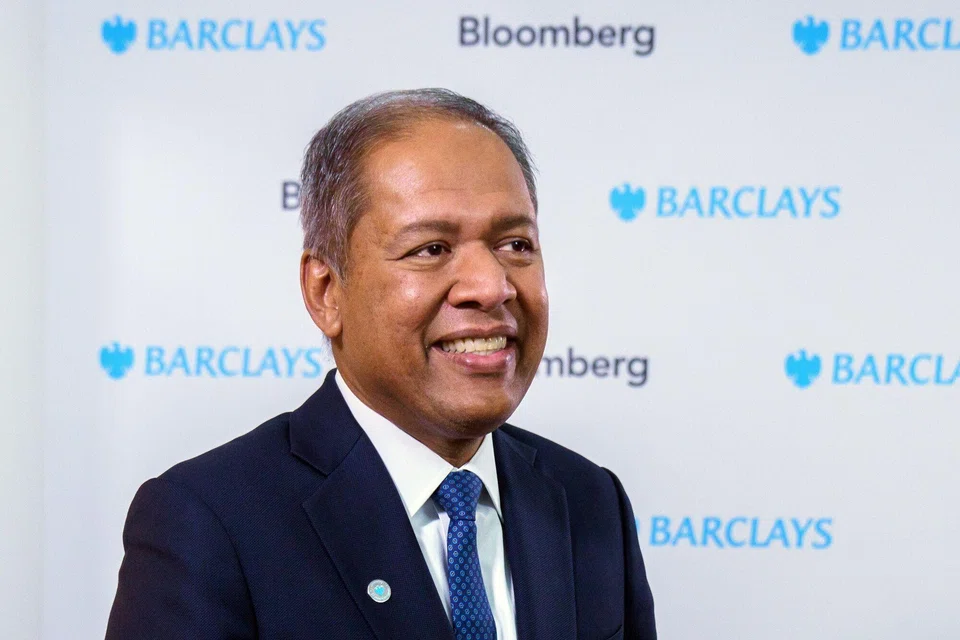
It’s two years this month since CS Venkatakrishnan, who goes by Venkat, was thrust into the chief executive officer role after Jes Staley suddenly resigned because he’d been less than open about his friendship with accused sex-trafficker Jeffrey Epstein. It’s the right time for Venkat to set his own aims for the UK bank, having initially stuck with the strategy set by Staley.
A good way to do this would be to announce a review with certain parameters and some goals in mind – and set a date for the reveal. What investors have got from Barclays in recent months instead was a leak that strategy consultants from Boston Consulting Group had been hired but with scant detail of what they were looking for; then some reports that Barclays was considering options for its payments business; and finally, at third-quarter results last month, a warning that the bank might take a chunky restructuring charge in the final quarter of the year.
This last bit of news is most puzzling of all: The bank said nothing about the size or purpose of the potential charge, or how it might help any part of its business. All details will have to wait until an “investor update” planned for its 2023 earnings report in February. “If you’re going to tell people about the pain, you should be telling them about the gains as well,” said Benjamin Toms, analyst at RBC Capital Markets.
The upshot has been lost clarity and a more depressed share price. The stock dropped 6.5 per cent after its results and subsequently hit its lowest valuation since the depths of the Covid-19 pandemic in 2020. When Venkat took over, Barclays shares traded at a price-to-earnings multiple of more than seven times; they now languish at barely more than four times, one of the lowest-valued banks in Europe, worse than both NatWest Group and Deutsche Bank.
The playbook for strategy shake-ups is hardly unfamiliar among European banks. Typically, they announce their aims, financial targets and the costs to get there all at the same time. Warning on charges without saying what they’ll pay for is unorthodox to say the least. Barclays’ explanation is its caution about giving investors a nasty surprise at full-year results. All it has done is to tell investors to expect one.
And there’s still the question of what Barclays can even do to improve. Its investor update could yet be the dampest of squibs. The bank’s basic problem is a deeply discounted stock valuation due to underwhelming profits and low, unpredictable cash returns to shareholders. Its thornier problem is what it intends to do about it.
Don’t expect anything radical with its investment bank. It just spent several years fighting an activist investor, Edward Bramson, who was campaigning for a break-up or major downsizing. Venkat told Bloomberg TV last week that the investment bank has the scale to compete globally and that he wants to focus on the other businesses, which are mainly UK retail banking, US credit cards and smaller private-banking and payments units.
The deal-making and trading arm consumes most of the Barclays balance sheet and often produces its weakest returns on equity. Like many Europeans, it’s stuck in the middle ground between the biggest and most profitable US investment banks, which benefit from their size and the scale of US markets, and the smaller and more profitable boutiques, which don’t need capital for lending. Barclays could make this business a bit more efficient, but it can’t really raise returns without escaping the middle ground in one direction or the other. That’s not happening.
Its UK business produces its best returns on tangible equity of about 20 per cent, double the investment bank. It does this even with a cost-to-income ratio that is much worse than peers. Barclays bringing expenses in line with rivals could boost UK profit by about one-fifth, according to Jason Napier, analyst at UBS Group. Helpful, sure, but ultimately the mature UK market isn’t going to be a leading source of growth.
The US card business could be more lucrative if it were bigger, but growth will need to be pursued cautiously: Unsecured consumer lending is an easy place to lose a lot of money. The payments business has potential too, even if the great boom in online retail has slowed and competition from startups and incumbents remains intense. Barclays is seeking technical help in developing this business, which might mean selling a stake to a partner – hardly a straightforward move.
So it’s tricky to discern what will make the big difference at Barclays. Growing its way into a better balance between the investment bank and everything else looks impossible without acquisitions, which it can’t afford. What Venkat wants to deliver is improved return targets and a plan for more consistent capital returns to shareholders. Perhaps the best Barclays can do is get much better at milking profit from what it has.
Venkat always seems a very smart and thoughtful leader. It’s a mystery how he’s left investors with so much uncertainty and confusion.