Beyond oil spills, Singapore will have to study risks of ammonia spills at sea
As more ships transition to the green fuel, mitigating the ecological impact of spills is essential

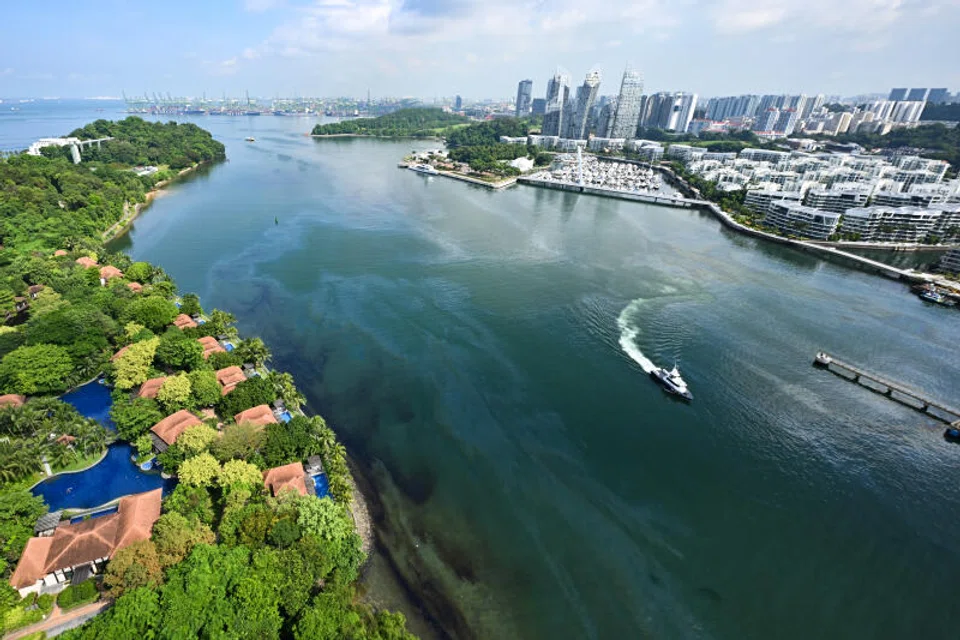
THE shipping industry is exploring a move away from fossil fuels, towards cleaner alternative fuels such as ammonia. But what happens if an accident leaks highly toxic ammonia into the sea – similar to the Jun 14 oil spill that hit Singapore’s coastline? As a maritime hub, Singapore will have to prepare to deal with the spectre of ammonia fuel spills and the new ecological risks they present.
With an oil spill, the effects are clearly severe. Singapore’s popular beaches have been left with blackened shores and oil-slicked waters. Marine biologists are concerned about the impact on coral reefs. An oil-coated kingfisher was spotted at Lazarus Island.
Less is known about the impact of large ammonia spills and how they compare to oil leaks. A 2022 study found that ammonia spills have a relatively smaller dispersion distance and lower persistence within the environment when compared to discharges of heavy fuel oil and marine gas oil.
That said, the toll on nature could still be serious. A large ammonia spill can have an impact on sensitive ecosystems such as estuaries and wetlands, said the study, which was conducted by the non-profit Environmental Defense Fund, shipping classification society Lloyd’s Register and engineering consultancy Ricardo.
Ammonia exposure can lead to increased algae growth and deplete the water of oxygen. At toxic levels, ammonia can kill fish, reptiles and birds, while affecting the growth of microorganisms such as bacteria and plankton. This can lead to broader implications for marine food chains.
Coastal waters and coral reefs would face similar consequences from an ammonia spill, along with the smothering of intertidal habitats, said the study. Meanwhile, mangrove swamps could suffer stunted growth and increased sensitivity to drought.
It is “important to study the impact of ammonia carefully for particular regions where these habitats intersect with major shipping channels and ports, such as the Strait of Malacca”, said one of the report’s authors in a press release.
Bracing for ammonia spills is especially critical for a bunkering hub such as Singapore. The city-state has been at the forefront of exploring the potential of ammonia – with plans for a project supplying low or zero-carbon ammonia for power generation and bunkering on Jurong Island. The project is set to generate 55 to 65 megawatts of electricity and provide a bunkering capacity of at least 100,000 tonnes per annum. Six consortiums were shortlisted by the local authorities to participate in a restricted request for proposal in October 2023, and a lead developer will be selected by the first quarter of 2025.
Any strides that Singapore makes in green ammonia would be a win for decarbonisation, and contribute to the maritime industry’s goal of hitting net-zero emissions by or around 2050.
At the same time, nature risks should never be left out of the equation. More studies will be needed to identify the ecological impact of ammonia as a shipping fuel, and new technologies developed to contain the fallout from any spills at sea.
Singapore is after all not just a hub for global shipping, but also for marine wildlife and migratory seabirds. It should be a safe harbour for all.