

Beyond the protests, investors must navigate Prabowo’s land policy shifts
The Indonesian president’s push for a stronger state hand in resource governance creates uncertainty for businesses and the public
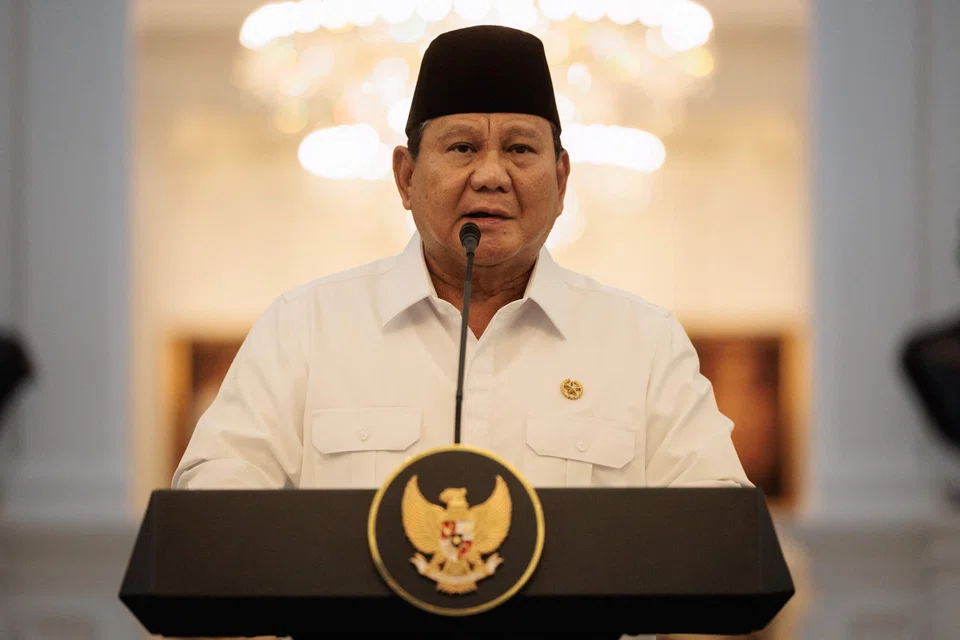
IN AUGUST, Indonesian President Prabowo Subianto announced a major seizure of land and assets from private businesses in the commodities sector, transferring them to state-linked companies. The ramifications of this move have slipped out of the headlines amid the recent urban protests in the country.
Yet, the Prabowo administration’s new policies could have major implications for the country’s palm oil and mining industries, raising questions about sustainable development in the country, as well as creating uncertainty for local and foreign businesses, and investors, as they navigate these regulatory shifts.
Just days before the demonstrations broke out, Prabowo delivered a State of the Nation address focused on ending corruption and income inequality. Rather than blaming politicians for enjoying an outsized share of the pie, as protestors have done in recent weeks, Prabowo said corrupt businesses were exploiting Indonesia’s resources.
The president has called for a reconfiguration of the palm oil and mining sectors by returning ill-used assets to state control.
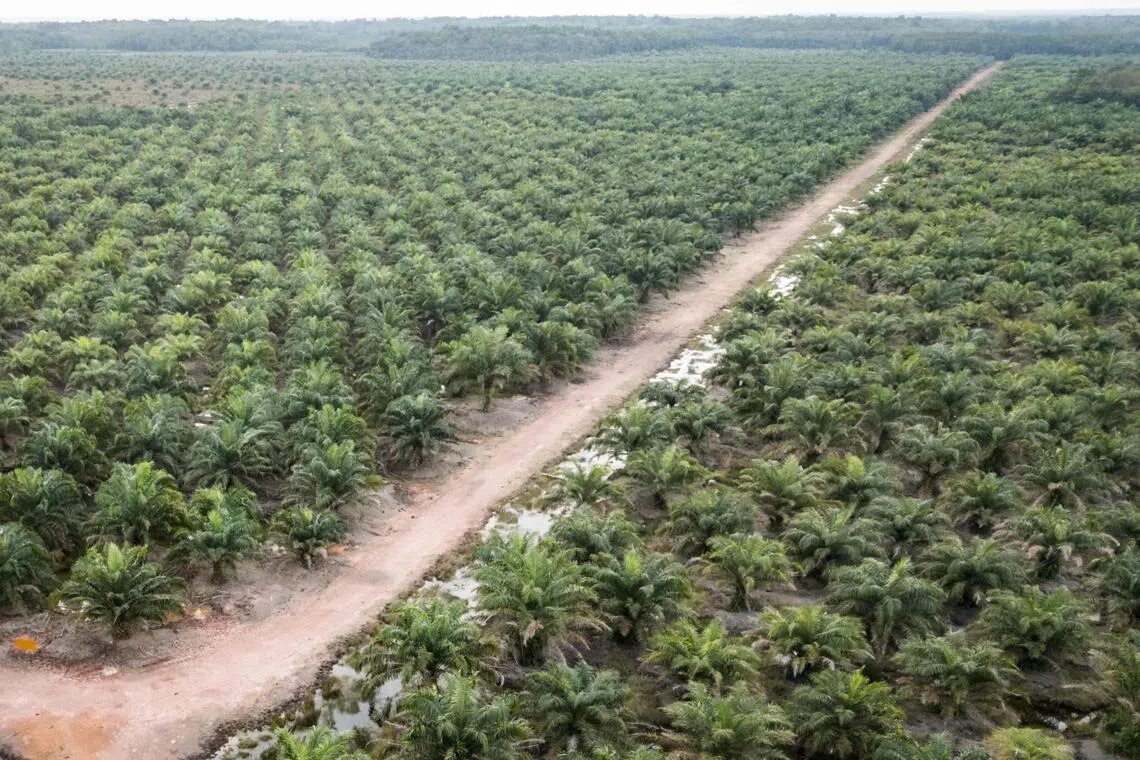
The Indonesian military has been deployed to seize over three million hectares of oil palm plantation area from private sector companies, with another two million hectares under investigation, a total area nearly twice the size of Johor.
A similar crackdown on the mining industry could follow. Prabowo has noted that some 1,063 mines are operating without proper licences or permits.
These commodity sectors are major contributors to Indonesia’s gross domestic product, and the policy shift is affecting not just Indonesians, but also multinational companies doing business in the country. Some Singapore-based palm oil companies have already been caught up in the plantation seizures.
One company has said that the land taken by the authorities is not a significant proportion of its total area. The seized area is likely under 5 per cent of its land bank. However, analysts believe that some firms might be facing larger proportional losses.
The Prabowo administration has said the seizures are based on legal precedent, including the Omnibus Law passed in 2020 during former president Joko Widodo’s time in office. The plantation industry has questioned the legality of the policy, arguing that they have not violated any laws.
From private sector to state control
Much of the land taken in the Prabowo administration’s latest wave of seizures, and in earlier similar moves under the Jokowi administration, is being handed over to state-linked enterprises under the new Danantara sovereign wealth fund.
The main recipient is Agrinas, a holding company with three subsidiaries covering the food, palm oil and fisheries sectors.
The idea is for Danantara and Agrinas to invest in these sectors to serve the Indonesian public and spur national development. The government’s ongoing transfer of land to Agrinas has made it the world’s largest palm oil company by land area.
Beyond Danantara and Agrinas, the other major state player in the new land policies is Indonesia’s military. The armed forces have long played a role in Indonesia’s economy, and this role is set to expand under the leadership of Prabowo, a former general and defence minister in the Jokowi administration.
In November 2024, it was announced that Indonesia would establish 100 new Regional Development Territorial Battalions by the end of 2025, recruiting over 24,000 personnel. The new battalions will include combat troops, but also units focusing on food security and agriculture.
This initiative could provide much-needed support for underserved parts of Indonesia, but much will depend on whether the new units complement sustainability and accountability in Indonesia’s food system, or if they will create overlaps.
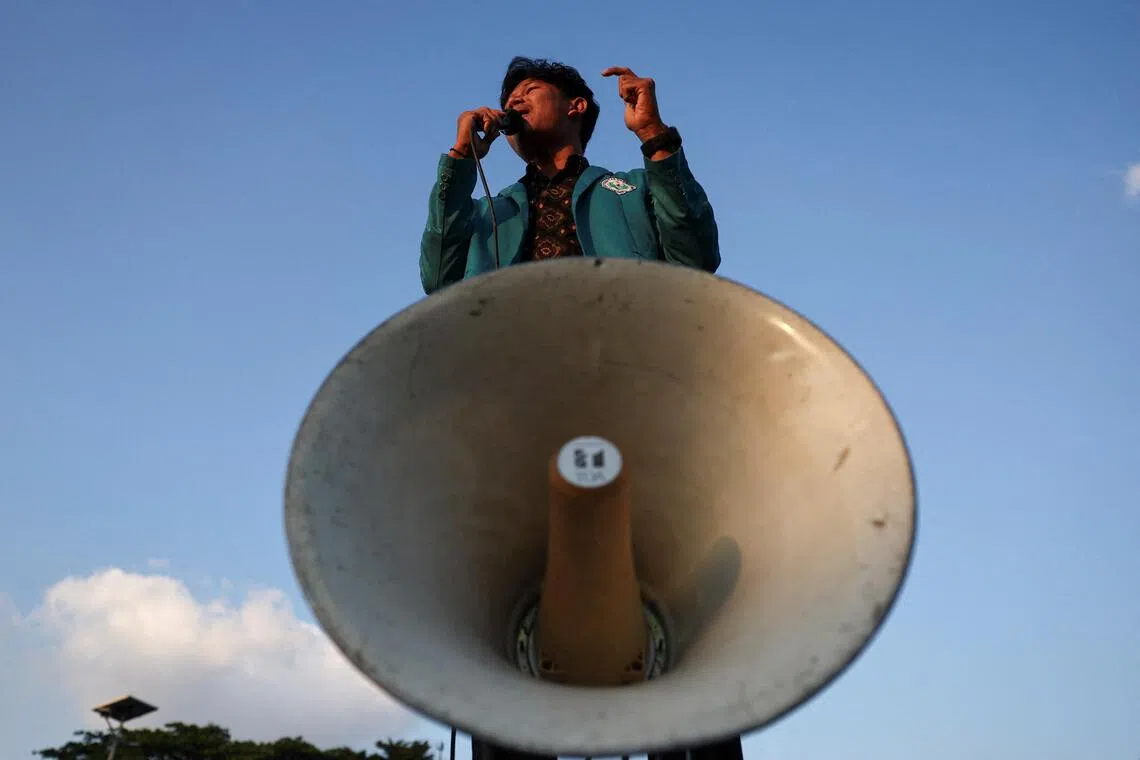
The recent protests in Indonesian cities have illustrated widespread public dissatisfaction with income inequality.
The Prabowo administration was conscious of this issue long before demonstrators took to the streets. It has been increasing public spending on development initiatives, for instance on the president’s free meals programme for students and pregnant mothers.
Funding these programmes, alongside increased defence spending, requires significant resources. That is why Prabowo is moving to expand state and military-linked businesses, bringing more cash into state accounts.
In the light of the recent protests, Indonesian policymakers will need to prove that this stronger state hand in resource governance will actually benefit ordinary Indonesians, rather than the country’s elites.
Walhi, an Indonesian non-governmental organisation, has reported that indigenous communities have been caught up in the land seizures, as their areas may overlap with company concessions.
This allegation is problematic, given that the land seizures are supposed to protect Indonesians from exploitation. But it is unclear how widespread the issue is.
Other NGOs have suggested that private companies may be playing up the likelihood of villages and local farmers being affected in order to discourage the government from pushing forward with further asset seizures.
Questions also remain about how these state-led and military-led efforts will align with civilian efforts to promote climate-smart agriculture and sustainable development.
Indonesian NGOs such as Sawit Watch have argued that rather than being allocated to a state-linked agricultural company, some of the confiscated land should have been turned into reforestation projects. Conservationists believe Indonesia should be able to increase its agricultural production by intensifying output on existing plantation land, while restoring its natural ecosystems.
Implications for the palm oil and mining industries
The Prabowo administration’s new land policies are being driven by Indonesia’s domestic politics and economics, yet they have far-reaching implications for foreign companies and investors operating in Indonesia.
At present, the impact on Indonesia’s palm oil industry has been relatively muted, as the industry is in robust shape. Indicators, such as farm equipment sales, show that activity and demand are holding steady. Palm oil prices remain buoyant, with plantation companies enjoying strong profitability and soaring share prices. Consequently, the land seizures have not shaken markets, at least not yet.
But plantation companies are wary. Businesses are concerned about how far the seizure of assets will go. Thus far, Indonesian authorities have seized land and plantations. Will industrial processing assets such as mills and refineries be next?
Indonesia’s mining industry is under even greater pressure. Prabowo has promised to crack down on illegal mining. From the industry’s perspective, it is not only illegal mines that are at risk. Some businesses fear that their permits could be revoked if their mines are non-performing.
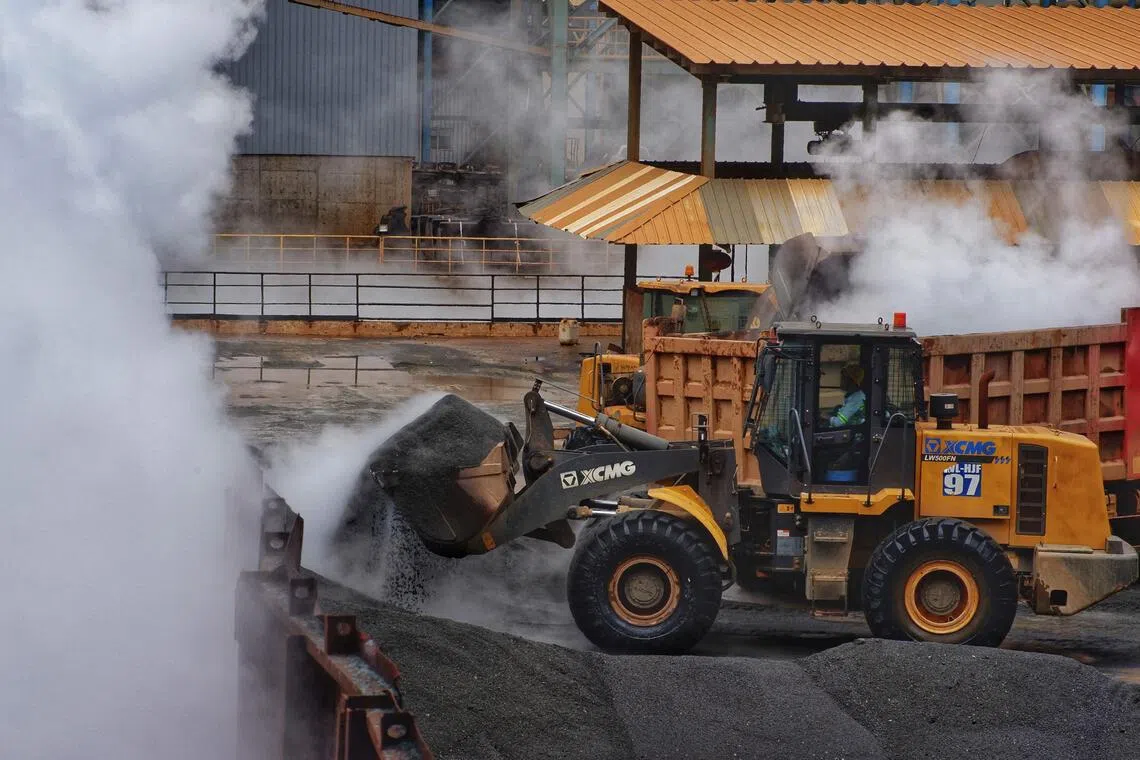
New operating permits for mining operations are now stricter, with a one-year duration instead of the previous three-year period, signalling a rethink of the government’s sectoral planning. According to analysts, the Prabowo administration feels that mining output is not keeping pace with the country’s plans to expand downstream industries.
Mining businesses are facing dual pressures from both regulatory shifts in Indonesia and international markets. The current downturn in coal markets has compounded the pain for mining companies. Mining equipment demand is reportedly weak, indicating sluggish expansion.
Reassuring businesses and investors
Prabowo’s push for a stronger state hand in resource governance is central to his big push to achieve 8 per cent GDP growth by the end of his term. Yet this approach creates uncertainty for businesses, raising questions about regulatory consistency. NGOs are also concerned about whether sustainability and equity may fall by the wayside.
To achieve its growth targets without spooking the market, the government should clarify the rules of engagement and signal its direction. Investors, businesses and the Indonesian public need assurance and clarity on how they can adapt to and benefit from this new policy environment.
The writers are from the Singapore Institute of International Affairs. Khor Yu-Leng is associate director (sustainability) and Aaron Choo is senior assistant director (special projects and sustainability).






