Bitcoin hype will clash with the Rolex recession
Easy money is crypto’s real speculative fuel, but there’s not so much of it around these days
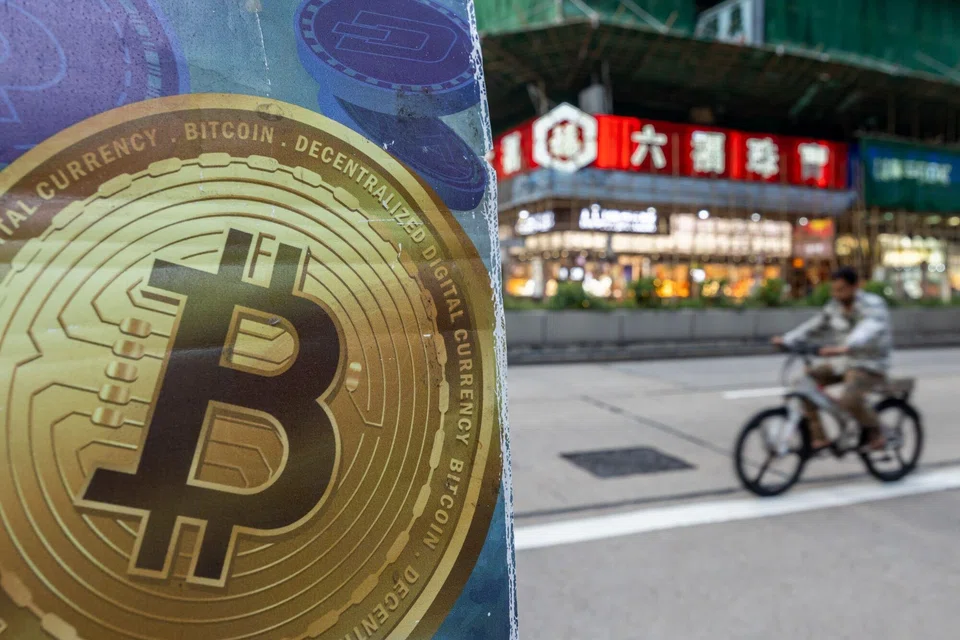
“BUY BTC”. The logo stamped on this week’s leaked version of the Grand Theft Auto VI trailer, depicting a faux-glamourous world of speedboats, supercars and “shoot-em-ups”, was well-timed. Bitcoin’s price has almost tripled this year to around US$42,000, where it was before the 2022 Terra debacle. Frothy six- to seven-figure price targets are back. With Coinbase Global’s boss touting Bitcoin as “key” to the West’s future and El Salvador’s Nayib Bukele demanding his critics apologise, you’d think an actual use case had been found.
Except – it hasn’t. And at the risk of sounding like the Simpsons’ “old man yells at cloud”, there are plenty of reasons to be cautious about this umpteenth upward swing on the crypto rollercoaster ride at a time of economic slowdown and possible recession.
The bull case preached by the laser-eyed and Luna-tattooed crowd is, as before, driven by sentiment and speculation rather than utility. Bitcoin may be a glorified pet rock in terms of money-ness, but people like to hoard it and trade it as a risky hybrid of gold and Nasdaq startup in the hope of outsized gains. The optimistic view is that any news will be good news as bad actors such as Sam Bankman-Fried or Zhao Changpeng get flushed out, mass-market spot exchange-traded funds (ETFs) get closer, and potential interest-rate cuts lift risk appetite. With a rising price providing a positive feedback loop, who wouldn’t want to take a punt?
Yet looking back at Bitcoin’s history, what seems to have really propelled its price to records in recent years has been unprecedented monetary easing by central banks and an increase in money supply to new highs, neither of which look likely to happen again soon. A paper by S&P analysts published in May found a positive correlation of 0.75 – not quite causation, but suggesting more than coincidence – between money supply growth and crypto assets since 2017, with virtual money “performing well” in times of expansionary monetary policy. As a hedge against economic shocks, the record was less clear – let’s not forget Bitcoin fell 50 per cent when Covid-19 first hit in March 2020 – and as a hedge against inflation, the results were inconclusive and not as good as gold.
And if easy money is Bitcoin’s secret sauce, there doesn’t seem to be much of it around. The Federal Reserve’s balance sheet peaked at nearly US$9 trillion last year and has since fallen to around US$7.8 trillion. Fears that still-high borrowing costs will coincide with a recession have squished demand for many other speculative assets that boomed during the pandemic, from non-fungible tokens to second-hand luxury watches. Hence the “Rolex recession” concept: The average price of a second-hand Rolex has been sliding since 2022. Over the past month, this corollary of the crypto-wealthy’s financial health is down almost 10 per cent year on year. It seems a little cavalier to start drumming up enthusiasm for Bitcoin if we enter an environment where real cash, not the virtual kind, is king.
The counterview is that there might be some kind of optimal rational bet to be made when it comes to crypto: Allocating a small slice of one’s portfolio, around say 1 per cent, on the off chance that the crypto planets align might make sense. And maybe financial advisers will be under pressure to discuss such a strategy with their clients if and when ETFs get approved in the US.
But there’s still an opportunity cost in throwing good dollars after virtual ones. At a time when speculation is expensive and the climate is in crisis, it seems a little out of step to be buying a token whose network’s annualised carbon footprint is equivalent to an entire country’s. The world could do a lot with the US$1 trillion currently tied up in crypto markets. As the COP28 conference gets underway, economists estimate US$1 trillion per year is needed to support developing countries in their fight against climate change. Research last year suggested US$1 trillion of wind turbines could power 300 million homes, or the US twice over.
For now, the hype is winning. In an allusion to The Hitchhiker’s Guide to the Galaxy by Douglas Adams, Tyler Winklevoss on Tuesday (Dec 5) tweeted: “Bitcoin at 42k is the answer to the ultimate question of life, the universe and everything.” It may not be long before that answer starts to look a little – or even a lot – less reassuring. BLOOMBERG
TRENDING NOW
He built the Vingroup empire. Now South-east Asia’s richest man is handing some key roles to his sons
Grab CEO’s wife Chloe Tong on life with Anthony Tan and finding her purpose
Deal between tycoon friends sparks scrutiny of Philippine power sector
Singapore’s S$80 million vertical farm must pass the 50-cent test to succeed