

Building a lasting culture of giving in Singapore
To support individuals and communities in need, we must all play an active role – whether through organisations or as individuals
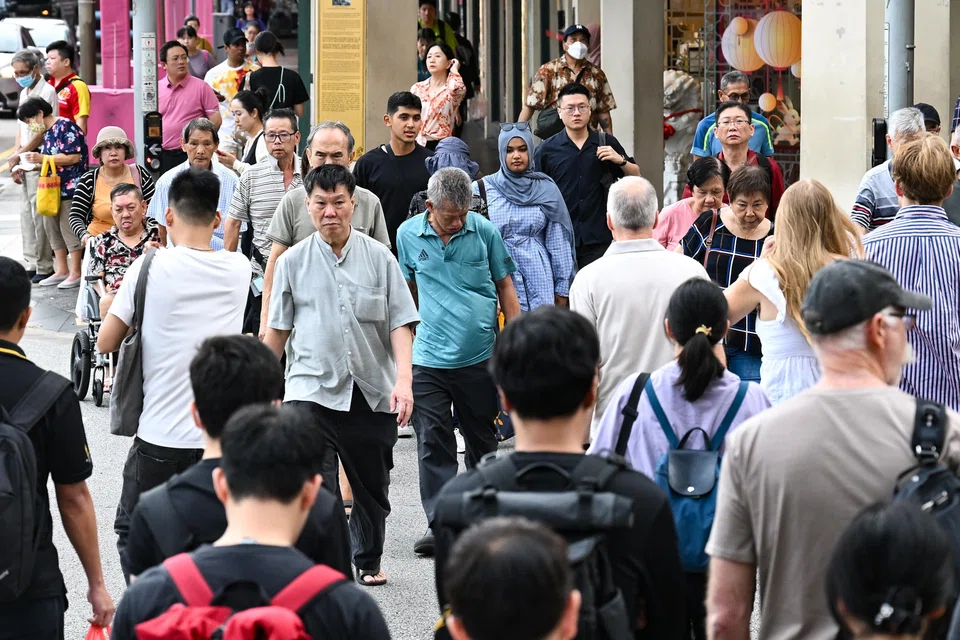
[SINGAPORE] Social needs are becoming increasingly complex, as reflected in the National Council of Social Service (NCSS) FY24 Impact Report released in late 2025.
Demographic shifts, increasing mental health challenges, growing caregiving demands and emerging social concerns, such as addiction, are placing pressure on society.
For the social service sector, these evolving needs underscore the urgency of building a society that views supporting individuals, families and communities in need as a collective responsibility.
To meet this challenge, we must make giving part of everyday living. Community giving goes beyond writing a cheque or giving only during momentous occasions.
It means realising that most of us are in a place of some means, recognising the needs of those around us and responding with small, consistent acts of kindness, empathy and support.
Corporates today – even small organisations – can seek to turn their contributions into real-world impact by integrating this “everyday giving” into their operations.
For example, Sun Life Assurance Company of Canada, Singapore Branch; Novita and Millennium Hotels and Resorts (MHR) each received the Change for Charity Innovation Award for encouraging their customers to donate through everyday transactions.
MHR pledges S$10 each time a hotel guest elects not to have their linen changed, meaningfully combining the E and S in ESG (environmental, social and governance).
These small acts of giving could go towards keeping a child safe, providing therapy for youth, or paying for a meal for a low-income family.
For instance, a child who receives holistic developmental support via the KidStart programme has a better shot of completing school and breaking free from the cycle of intergenerational poverty. For as little as S$27, a donor can provide a week’s worth of nutrition support to a child via the Healthy with KidStart initiative.
It is heartening that Singaporeans today recognise the importance of giving, despite harsh macroeconomic conditions. As the nation celebrated its 60th year of independence, Singaporeans and residents rallied towards building a more caring society and inclusive society, increasing their participation in the SG60 SGShare programme. More than 270,000 monthly contributions were made.
Beyond monetary giving, donating time, resources and skills is equally important. To help companies align these efforts with their corporate purpose, NCSS developed the Sustainable Philanthropy Framework. These include social impact metrics that help organisations measure and monitor their social impact.
DBS, for instance, partnered public agencies including the Health Promotion Board and Infocomm Media Development Authority to teach practical budgeting and share nutrition tips through the DBS Foundation community pop-up market.
Volunteers from the bank also delivered financial literacy and cybersecurity workshops and talks to children. These efforts are then recorded as part of their social impact efforts, inspiring everyone in the organisation.
Many other partners – such as PropNex, Singapore Exchange, Sheng Siong, Singtel, SP Group, Standard Chartered, UOB and Woh Hup, to name a few – have stepped forward, leveraging their core business competencies to give back to Singaporeans.
With the support of a strong network of partners, Community Chest – NCSS’ philanthropic arm – funds more than 300 critical social service programmes each year, positively impacting more than 94,000 people, including their families and caregivers.
To build upon the progress Singapore has made to date, we must all play an active role – whether through organisations or as individuals. I believe we can shape a society where children grow up with opportunities, persons with disabilities are empowered, seniors live with dignity, and families in distress find stability and hope.
If we want Singapore to remain strong, we must invest not just in our economy, but also in our people.
The writer is group director of philanthropy and managing director of Community Chest
Decoding Asia newsletter: your guide to navigating Asia in a new global order. Sign up here to get Decoding Asia newsletter. Delivered to your inbox. Free.
Share with us your feedback on BT's products and services






