Buy gold on dips? With sky-high volatility, caution is warranted
The metal has since clawed its way back to US$5,054 per ounce, but is still off the year’s high

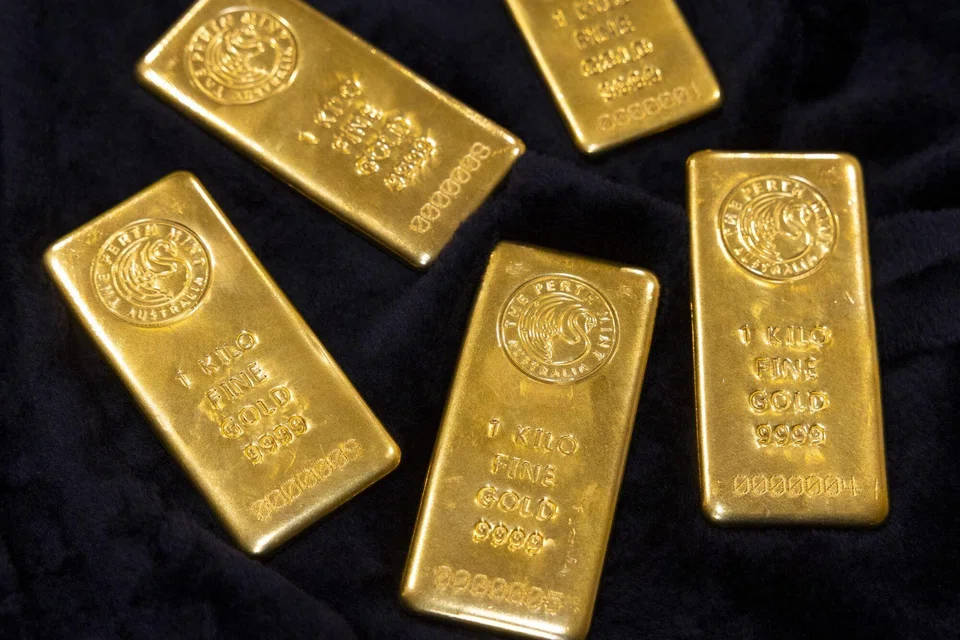
[SINGAPORE] If you haven’t bought any gold yet or are looking to buy more, you may be tempted to buy the dip. In recent days, it seems retail investors have done just that.
Gold plunged by double digits in early February from its record high, the steepest drop in four decades. Gold has since clawed its way back to US$5,054 per ounce, but is still off the year’s high. Should you buy the dip?
Some may regard the question as a no-brainer. After all, even with the wild price swings, gold has appreciated by more than 16 per cent this year. Last year, it outperformed all other assets with a return of 65 per cent.
What’s more, strategists remain bullish on the metal; recent price surges have only pushed price forecasts higher. JPMorgan Chase, for instance, has raised its price expectation for gold to US$6,300 an ounce by end-2026; Deutsche Bank is calling for US$6,000. State Street says it “leans bullish”, adding that “just because an asset is overbought does not mean it is over-owned”.
Demand factors remain intact: geopolitical concerns are still on the boil; sovereign debt levels and fiscal spending are unlikely to decline. Central bank appetite is unsated; they are expected to snap up around 800 tonnes of gold supply this year. And the US dollar-debasement theme has yet to run its full course. A weaker greenback is supportive of gold.
But rather than succumb to the fear of missing out, it helps to ask some questions. Gold is supposed to be a stable portfolio diversifier. How much of a hedge can it be when its volatility exceeds that of stocks? With such extreme volatility, is gold still a safe haven?
Morningstar portfolio strategist Amy Arnott has some helpful historical analyses for those looking to buy. Gold price, she wrote, tends to revert to the mean. That is, when gold is trading at an elevated level in inflation-adjusted terms, prices have tended to fall in subsequent periods. The current inflation-adjusted gold price is around three times the historical average.
Gold, she also pointed out, has gone through extended periods of boom and bust; the down periods can be long. One such episode of price decline began at end-1987; gold continued to fall and didn’t break even until some 18 years later in November 2005. During a secular bull market in stocks from 1982 to 2000, US stocks returned nearly 17 per cent per year. In that period, gold declined by an average of nearly 2 per cent a year.
Of course, there is the view that this time is different. Investment participation today is far higher, thanks to gold exchange-traded funds (ETFs), which didn’t exist until around 2003. But ETFs are a double-edged sword. While they enable access and liquidity, they can also exacerbate volatility. The price surge and falls of the past few days have been blamed on Chinese speculative monies.


To be sure, gold has a place in portfolios; its correlation with stocks over long periods is close to zero and is negative in crises. Most portfolios remain under-allocated to gold. This, along with central bank buying, suggests prices could rise further. But rather than chase prices, retail investors need to take a portfolio view of gold and avoid leverage. With such elevated prices, caution is warranted.
Decoding Asia newsletter: your guide to navigating Asia in a new global order. Sign up here to get Decoding Asia newsletter. Delivered to your inbox. Free.
Copyright SPH Media. All rights reserved.