

Can China’s ‘slow bull’ market succeed?
Beijing wants to build a hybrid capital market that boosts tech self-sufficiency, financial autonomy
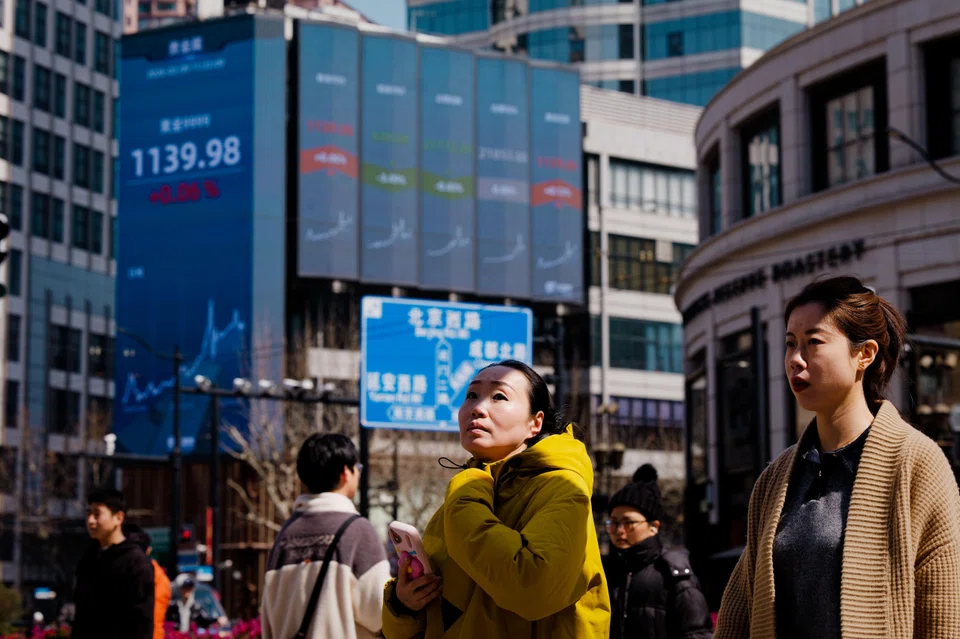
CHINA is attempting one of the most unusual experiments in modern finance: building a large capital market that serves national development goals while still delivering credible returns to investors.
Unlike the United States, where stock markets evolved primarily to maximise shareholder value and allocate capital efficiently through decentralised market forces, China’s equity market has historically functioned as a state-directed financing platform designed to support industrial policy, reform state-owned enterprises and maintain macroeconomic stability.
Beijing is now trying to transform that system into something more sophisticated – a hybrid capital market capable of generating long-term household wealth, funding technological self-sufficiency and strengthening China’s geopolitical financial autonomy.






