PERSPECTIVE

Can climate tech really make money?

A mix of innovation, supportive policies, and urgency to take action makes this sector very promising

Summarise
    • Through initiatives such as the Green Plan 2030, Singapore has set ambitious targets for reducing emissions and increasing renewable energy.
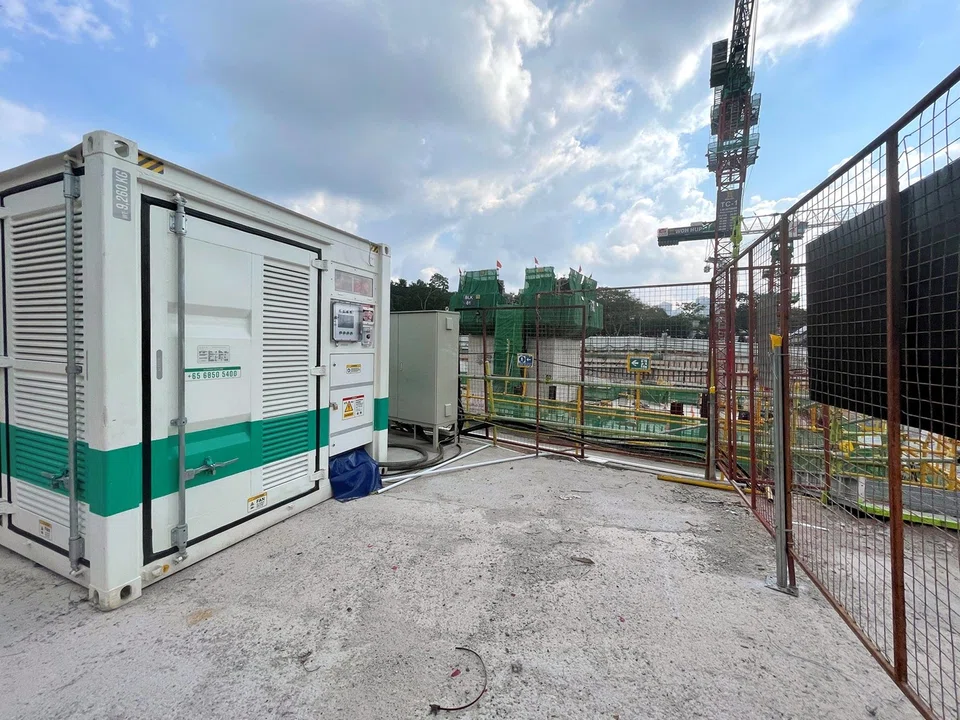
    • Ampd Energy helps make the construction industry greener with its battery energy storage systems.
    • Through initiatives such as the Green Plan 2030, Singapore has set ambitious targets for reducing emissions and increasing renewable energy. PHOTO: YEN MENG JIIN, BT
    • Ampd Energy helps make the construction industry greener with its battery energy storage systems. PHOTO: AMPD ENERGY
    Published Sat, Jan 25, 2025 · 05:00 AM

    THE urgency to tackle climate change has put climate tech in the spotlight, but questions remain: Can climate tech make money, or is it just a moral responsibility? The debate is complex, with valid points on both sides.

    Critics say climate tech is risky and hard to profit from. Early renewable energy projects, such as solar and wind, were very expensive and needed government support to compete with fossil fuels. New technologies such as green hydrogen and carbon capture face similar issues today. They need huge investments, depend on government policies, and can be uncertain.

    In the 2000s, many cleantech startups failed because they couldn’t turn their ideas into scalable businesses. This “valley of death” is still a big hurdle. In Asia, things are even harder due to heavy reliance on coal, inconsistent regulations, and lower income levels, making governments hesitant to pass on green transition costs to consumers.


    Despite these challenges, there are strong reasons to believe in climate tech.

    History shows that big changes often face early doubts. Renewable energy is a prime example. The cost per watt for solar energy has fallen by more than 70 per cent since the 2000s, thanks to innovation and scale. It is now a mainstream and cost-effective energy source, proving that persistence pays off. This shift has been driven by economies of scale, technological advancements, and supportive policies that incentivise renewable energy adoption. Such developments prove that systemic change is achievable with persistence and innovation.

    Electric vehicles (EVs), once considered a luxury due to high costs, are now often more affordable than petrol cars. Advances in battery technology, reduced production costs, and supportive government policies have driven this shift. EVs also have lower maintenance costs, with fewer moving parts and no need for oil changes. These savings have fuelled global EV adoption, with countries such as China and Norway leading the way through strategic policies and infrastructure investments. This transformation illustrates how innovation and support can reshape industries.

    Climate tech now includes diverse areas. For example, Sunfire is a German company producing hydrogen electrolysers that support industrial decarbonisation. In Asia, CropIn, an Indian agri-tech firm, is enabling farmers to use data-driven tools to increase yields while reducing environmental impact. Another example is Ampd Energy, which helps make the construction industry greener with its battery energy storage systems. Their technology reduces reliance on diesel generators, cutting emissions and, most importantly, saving money for clients.

    Fostering a robust public-private partnership is also critical. For example, Singapore has become a leader in green finance, creating a strong ecosystem for sustainable investments. Through initiatives such as the Green Plan 2030, the country has set ambitious targets for reducing emissions and increasing renewable energy. The Monetary Authority of Singapore has played a key role by offering grants and frameworks to de-risk green projects, attracting both local and international investors. These efforts position Singapore as a vital hub for climate investments in South-east Asia.

    For climate tech to thrive as a business, certain conditions likely need to be met.

    First, governments need to create clear and consistent rules to encourage investment. South-east Asia, in particular, must focus on regional cooperation and long-term planning. Regulatory stability is key to attracting private capital and enabling large-scale deployment of green technologies.

    Second, investors should back technologies that can grow quickly and meet real-world needs. For example, innovations in green cement and steel can address significant environmental issues while tapping into large markets. Products that solve pressing problems, such as reducing emissions in heavy industries, are more likely to achieve widespread adoption and profitability.

    Third, local adaptation is crucial. Asia’s diversity calls for tailored solutions. Innovations in farming, urban planning, and decentralised energy systems can align local needs with global climate goals. By focusing on localised strategies, climate tech can address specific challenges while creating opportunities for regional economic growth.

    The climate tech debate boils down to balancing risks and rewards. While challenges exist, the opportunities are enormous for those willing to navigate them. A mix of innovation, supportive policies, and urgency to act on climate risks makes this sector very promising. The transition from coal to oil, and now to renewables, shows that big changes are both necessary and profitable for early movers.

    With the right support and strategies, climate tech can deliver strong financial returns and help secure a sustainable future for Asia and the world.

    The writer is director of growth investments at Openspace Ventures