CapitaLand’s profit warning points to a sobering reporting season for Reits with foreign exposure
Investors should critically assess plans by sponsor groups to sustain the viability of their Reits in the face of persistently high interest rates

AS 2023 drew to a close, CapitaLand Investment made an announcement that unitholders of many real estate investment trusts (Reits) should have found troubling.
The global real estate investment manager said on Dec 8 that it expects to report a significant decrease in earnings for 2023, due to fair value losses on its investment properties in markets such as China, Australia, Europe, the United Kingdom and the United States.
It said the fair value losses arose due to higher capitalisation rates and weaker market sentiment.
The profit warning did not come out of the blue. In its Q3 2023 business update on Nov 9, CapitaLand Investment said persistently higher interest rates and geopolitical tensions were creating operating challenges in those same overseas markets and presented significant valuation risks.
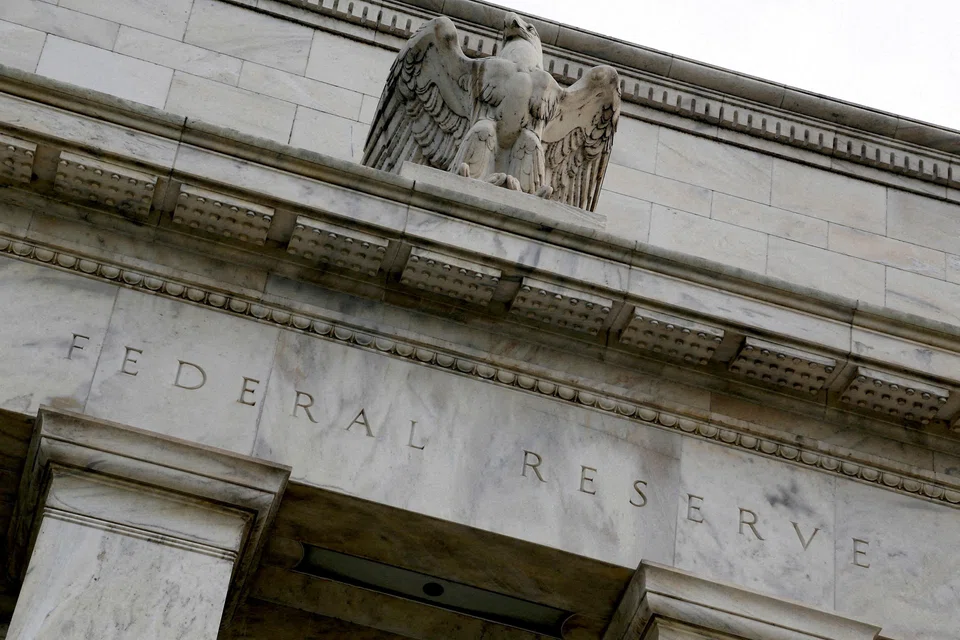
Before the news really sank in, however, the US Federal Reserve sparked a big global market rally. At its final policy meeting for 2023, held on Dec 12-13, the Fed decided to hold the federal funds rate unchanged for a third time and tweak the wording of its policy statement to indicate that no further hikes are likely.
The median projection by Fed meeting participants is now for the federal funds rate to end 2024 at 4.5 to 4.75 per cent – or 75 basis points below its current level.
This dovish pivot by the Fed triggered a surge of investor enthusiasm for Singapore-listed Reits. During the month of December 2023 alone, the iEdge S-Reit Index rallied 9 per cent.
Among the strongest gainers during that short period of time were those exposed to geographies where CapitaLand Investment has been struggling with fair value losses.
For instance, Prime US Reit – which owns office buildings in the US – bounced more than 95 per cent. Its peers Manulife US Reit and Keppel Pacific Oak US Reit were up 54 per cent and 47 per cent, respectively.
Meanwhile, CapitaLand China Trust was up nearly 15 per cent.
The coming reporting season could be sobering for Reit investors, though. If CapitaLand Investment is expecting to suffer fair value losses on some of its overseas properties, it seems more than likely that other real estate investment managers exposed to those same markets will have the same problem.
Indeed, real estate investment managers that do not report at least some fair value losses could draw a great deal of scrutiny and have to answer some tough questions.
Even with the rate cuts that Fed meeting participants have pencilled in for 2024, the federal funds rate would still be at levels not seen since before the global financial crisis. The Fed is also continuing its “quantitative tightening” policy.
Against this backdrop of persistently high interest rates, Reits may need to lower their debt and shift their exposure to properties that offer higher and more resilient yields in order to lift their own market valuations.
Pressure on valuations
How ugly could things get in the coming reporting season? Clearly, much depends on the specific exposure of the Reit in question.
This past week, Manulife US Reit left no doubt that the US office property sector is still under pressure. On Jan 5, the troubled Reit said the valuation of its property portfolio declined 8 per cent in H2 2023.
Manulife US Reit attributed the fall to higher discount rates and terminal capitalisation rates, reflecting heightened macroeconomic volatility and other risks.
This comes after the valuation of its property portfolio was slashed 14.6 per cent in H1 2023, and 10.9 per cent in 2022.
Among the assets whose valuation plummeted is a building at 865 South Figueroa Street in Los Angeles, California. The property is now valued in Manulife US Reit’s books at US$139 million, down from US$315.2 million at end-2021.
Another property that has suffered a big valuation decline is a building at 500 Plaza Drive in Secaucus, New Jersey. Manulife US Reit carried this asset in its books at US$106 million at end-2021, but its latest valuation is only US$58 million.
Another building, at 1750 Pennsylvania Avenue NW, Washington DC, is now in the Reit’s books at US$108 million versus US$177.3 million as at end-2021.
On the other hand, a number of Reits exposed to more resilient sectors have been monetising assets above their latest valuations.
CapitaLand Ascott Trust said on Dec 18 that it would divest three hotels in Japan for 10.7 billion yen (S$99.8 million), which is 15 per cent more than the book value of the properties as at end-2022.
CapitaLand Ascendas Reit said on Dec 20 that it would sell three logistics properties in Australia for A$73 million (S$64.2 million). This represents a premium of 6.2 per cent over a valuation of the assets as at Aug 31, 2023.
IReit Global said on Dec 22 that it would sell an office building in Spain for 24.5 million euros (S$35.7 million), which is 5.2 per cent above an independent valuation as at Jun 30, 2023.
Such transactions could bolster confidence in a Reit’s asset valuations in the face of elevated interest rates, and enable it to redeploy its capital to assets with better prospects.
Time to reduce debt
Well-priced divestments are also the key to a Reit being able to reduce its debt.
Cromwell European Reit said on Dec 18 that it would repurchase 50 million euros worth of bonds, funded with proceeds from recent divestments. This is 10 per cent of a 500 million euro bond issue that matures in November 2025.
Cromwell said the repurchase of the bonds would reduce the refinancing risk it faces next year. It will also book a three million euro gain from the discounted purchase price of the bonds.
In November last year, activist investor Quarz Capital urged Cromwell to repurchase S$60 million worth of its units from the market. But repurchasing its bonds makes much more sense, in my view.
Besides containing the risk of a decline in the valuation of its assets, lightening its balance sheet would also position it to make opportunistic acquisitions as interest rates begin falling in the months ahead.
Cromwell has been shifting its exposure over the last few years from office buildings to light industrial and logistics properties, which are proving more resilient.
Cromwell said last month that it expected to end 2023 with aggregate leverage of about 40 per cent. With further planned asset sales this year, it is aiming to maintain its gearing at 35 to 40 per cent.
Every Reit needs an effective strategy now to maintain its viability in the face of persistently high interest rates and uncertain growth. Instead of chasing the market, investors should critically assess everything the managers and sponsor groups of these Reits have to say in the coming reporting season.