

Central banks face an excruciating trade-off
Just now they have to choose between financial instability and high inflation. It wasn’t meant to be that way
THE job of central bankers is to keep banks stable and inflation low. Today they face an enormous battle on both fronts. The inflation monster is still untamed, and the financial system looks precarious.
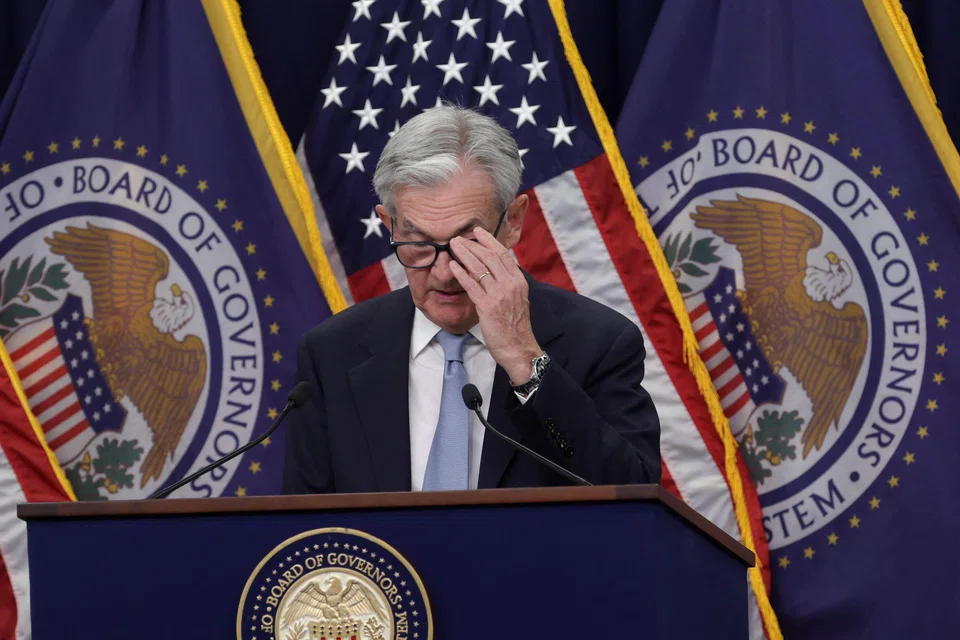
Stubbornly high inflation led the US Federal Reserve to increase interest rates by a quarter of a percentage point on Wednesday (Mar 22), less than a week after the European Central Bank raised rates, too. The Fed acted days after three mid-sized American banks collapsed and Credit Suisse, a grand old Swiss bank with more than 500 billion Swiss francs (S$724 billion) in assets, suffered a wounding run that ended in a shotgun wedding with its rival, UBS. Bankers led by Jamie Dimon, the boss of JPMorgan Chase, are trying to shore up First Republic, the next teetering domino.
The trouble is that central bankers’ two goals look increasingly contradictory. All but the biggest American banks are suffering from the consequences of higher interest rates. Dearer money has reduced the value of their securities portfolios and has made it likelier that depositors will flee to big banks, or to money-market funds. Cutting interest rates would help the banks; so does backstopping the financial system. But either option would stimulate the economy and make inflation worse.
TRENDING NOW

Grab CEO’s wife Chloe Tong on life with Anthony Tan and finding her purpose

Hwa Seng Builder, two China companies win S$1.2 billion Tuas Road Viaduct phase two contracts

Deal between tycoon friends sparks scrutiny of Philippine power sector

Canada is upping oil flows to Asia, but South-east Asia’s refineries aren’t ready to handle them yet

