Champagne days for Singapore hotels, but climate change poses a big risk

DESPITE mounting economic uncertainties, Singapore’s hotels are buzzing.
In July, the average room rate (ARR) and revenue per available room (RevPAR) of hotels here rose by 12.8 per cent and 28.3 per cent year on year (yoy) respectively, based on the Singapore Tourism Board’s data. Versus pre-pandemic levels in July 2019, ARR and RevPAR in July 2023 jumped 32.8 per cent and 27.2 per cent, respectively.
In the luxury segment, the ARR in July 2023 was S$598.60, versus S$530.80 in July 2022 and S$452.30 in July 2019.
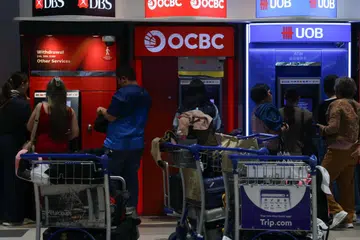
Hotels are enjoying the surge in Singapore’s international visitor arrivals. In August, visitor arrivals totalled 1.31 million, up 79.6 per cent yoy. For the first eight months, visitor arrivals exceeded nine million, up 204.5 per cent yoy.
The strong performance of hotels in Singapore and elsewhere is reflected in the results of listed hospitality plays. CDL Hospitality Trusts , which draws the majority of its net property income (NPI) from Singapore, posted yoy growth in NPI and distribution per stapled security of around 23 per cent for H1.
Transactions are also being struck for hotels at firm prices, Recently, an entity of Worldwide Hotels Group inked a deal with UOL Group’s Pan Pacific Hotels Group to buy shares in the company, which owns the property comprising Parkroyal on Kitchener Road – a 542-room hotel in Little India – and New Park Shopping Arcade. The purchase consideration of S$525 million is 24 per cent above the property’s end-2022 valuation.
While travellers may tighten their belts amid economic wobbles, prospects look bright for Singapore hotels.
Growth drivers
First, revenue from rooms is typically the major contributor for hotels. And the appetite for travel appears to be strong among business as well as leisure travellers. Post-pandemic, many people still value interacting in person. Also, business visitors travel to get a feel of markets, while leisure visitors seek experiences.
Hotel owners face higher costs of manpower, utilities and supplies. However, with solid demand for rooms and the use of dynamic room pricing, owners can mitigate rising costs via higher room rates.
Second, Singapore draws many visitors from South-east Asia and India, which are regions with exciting growth prospects given positive demographics. By country of residence, Indonesia was top for visitor arrivals to Singapore in the first eight months. Malaysia and India were among the top five sources of visitor arrivals.
China was Singapore’s top source of international visitors pre-pandemic. Visitor arrivals from China are up sharply thus far in 2023 from the year before, and there is further room for increases in international trips by China nationals, with Singapore being a choice destination.
Third, Singapore is growing as a premier destination for hosting major events. Drawing international visitors to events confers pricing power to hoteliers, who can hike room rates substantially during popular events.
Besides hosting many major business conventions, Singapore hosts top sporting events such as the Singapore Grand Prix, as well as concerts by global stars such as Taylor Swift, Coldplay and Jacky Cheung.
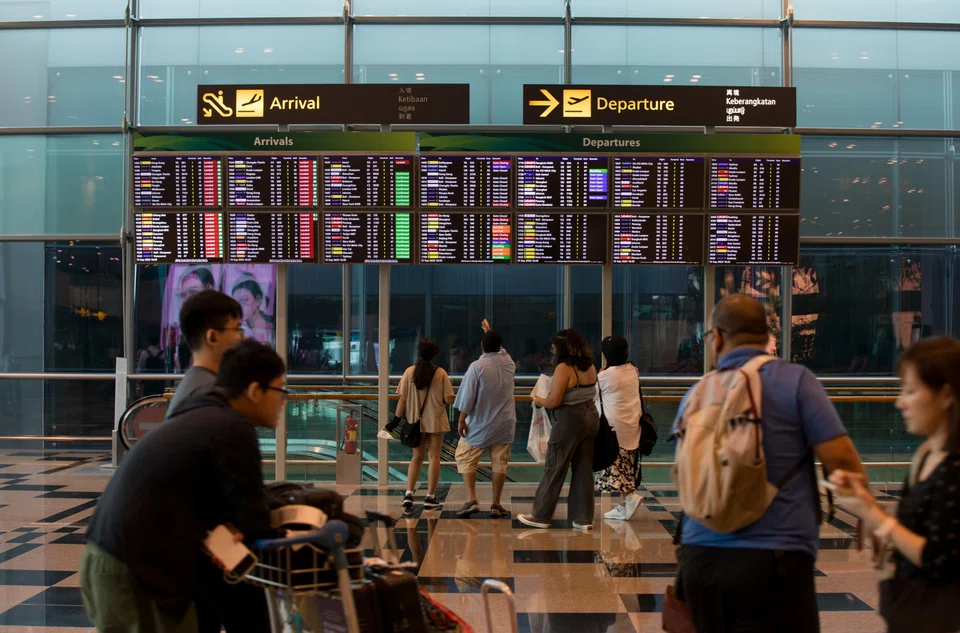
Fourth, rising flight capacity can boost visitor arrivals to Singapore. Also, as capacity rises, passengers may see some relief on flight prices. If air tickets are cheaper, visitors can allocate a larger share of their travel budget to hotel stays.
Singapore is a major air hub and its multi-award winning Changi Airport is popular with travellers. The expansion of Terminal 2 and building of a new Terminal 5 will add substantial capacity. Separately, Singapore is developing its cruise business.
Fifth, hotel owners here can gain from efforts to upgrade Singapore’s tourism offerings. Mega investments are being made to expand Resorts World Sentosa and Marina Bay Sands, as well as rejuvenate Mandai into an integrated nature and wildlife destination.
Also, business travel to Singapore is supported by diverse businesses growing their presence here.
Separately, more 60-plus and 70-plus year-old affluent people are travelling to explore destinations and enjoy new experiences. With its good infrastructure, public health and safety, Singapore can lure the growing demographic of such older travellers.
Sixth, an increase in hotel supply here is limited. The compounded annual growth rate in the number of hotel rooms is estimated to be around 3.1 per cent between mid-2023 and end-2025.
Moreover, some visitors who visit for a few days may have to stay in hotels, as minimum stay durations apply to homes and serviced apartments.
Climate change
However, a key challenge potentially looms in the longer term for hotels in general and particularly those in Singapore from the environmental front.
Sure, new hotels can be built with biophilic elements and sustainability features. Hotel rooms that blend with nature, offer good natural ventilation and are bright, may aptly epitomise modern luxury. Hotel operators are working to cut their carbon footprint, which will cheer environmentally conscious guests and possibly lead to operational costs savings.
But international air travel may be undone by the fight against climate change. As air travel contributes to global warming, swingeing taxes could be levied on global aviation. This can significantly reduce leisure travel and push more businesses to conduct cross-border business interactions virtually. If environmental consciousness rises among young people and across generations, more people may eschew air travel because of its environmental impact.
Might air travel become prohibitively expensive, a socially frowned upon activity and a key target of disruption by climate activists? Singapore, which relies heavily on air connectivity to draw visitors, will be hit hard if global aviation is a victim of the fight against climate change.
Still, travel expands horizons. Extensive cross-border travel can aid in the building of people-to-people ties, which in turn benefits economies and builds bridges among countries in a fractious world. Perhaps, the value created by international travel trumps concerns over global aviation’s environmental impact.
Good times are rolling for many hotel owners here. But, wise players would be aware that this industry is tricky. Pandemics or conflicts can result in hotel bookings vanishing overnight.
As hotel owners strive to balance between automation and the human touch, as well as effectively differentiate their product offerings, they need to watch out for the massive challenge climate change poses.