

For a change: Bipartisanship in polarised Washington
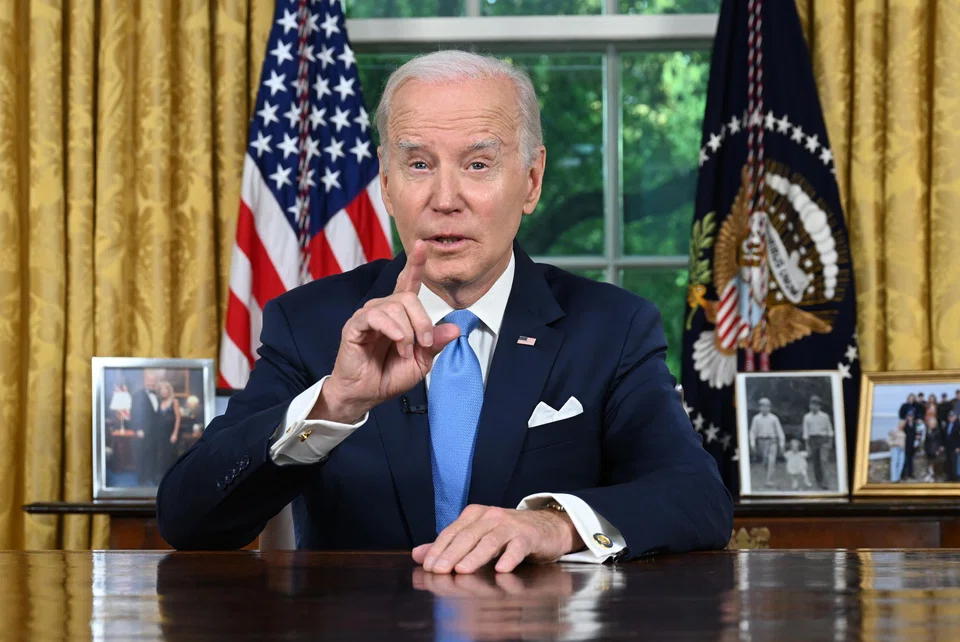
AFTER weeks of tense negotiations and economic anxiety, the US Senate approved late Thursday (Jun 1) a bipartisan bill to suspend the debt ceiling, sending the legislation to President Joe Biden to sign it into law and avert a potentially catastrophic federal government default that could have devastated the US and global economies.
The bill passed the Senate by a 63-36 vote, after clearing the House of Representatives on Wednesday night by a 314-117 tally. The votes occurred after the White House and Congressional Republicans, led by House Speaker Kevin McCarthy of California, reached a compromise deal that, in response to Grand Old Party demands, reduced US spending by US$136 billion over the next two years while extending the debt limit to 2025 and thus avoiding a messy battle during a presidential election year.
It should have been a matter of routine for Congress to authorise borrowing funds it had already asked the US Treasury to spend, and thus sparing the tension over a possible disastrous default that could have resulted from the delay of the legislation.
TRENDING NOW

Once staunchly pro-China, Malaysian Chinese businesses are now distancing themselves from Beijing

Britain’s mansion tax shows the difficulty of targeting wealth

Three hats, one goal: How Ng Kian Swan runs sustainability at NUHS

COE review: The gap between luxury and mass-market cars isn’t the only one worth bridging

