

Change of momentum in China-US relationship? Don’t bet on it
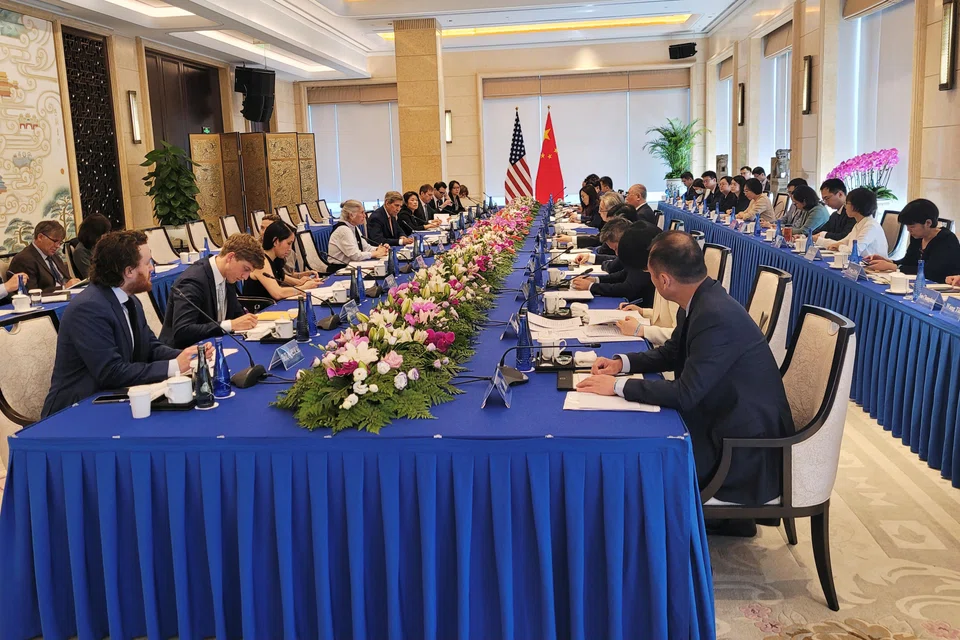
AFTER three years of embracing a tough diplomatic approach in dealing with China, there are signs that US President Joe Biden may be attempting to reduce tensions with Beijing through high-level bilateral dialogue between the world’s two major superpowers.
Earlier in July, Treasury Secretary Janet Yellen held talks with top economic officials in Beijing. This was after earlier trips by the director of the CIA and the Secretary of State, and is being followed by a visit by the Biden Administration’s special climate envoy John Kerry.
This activist US diplomacy could help to create direct communication channels between officials from both sides, which could then help to defuse potential crises.
As Yellen’s visit demonstrated, it seems that the Americans are trying to encourage a softer tone in Sino-US relations, which could help reverse the sense of doom and gloom that has characterised them lately.
“I think that there is a way to resolve, to establish a working relationship with China that benefits them and us,” President Biden said on Jul 9, reflecting the new tone that his administration seems to be trying to create.
But personal diplomacy and uplifting public statements cannot transform the relationship between the two governments without the resolution of existing structural problems. If anything, these could create excessive expectations that are unlikely to be fulfilled.
Specifically, there are no indications that the two sides are coming closer to effectively managing their differences over Taiwan. Assertive rhetoric in both Washington and Beijing, reflecting the Sino-American strategic competition in the Asia-Pacific region, continues to raise concern over possible military confrontations.
Moreover, even as Yellen suggested during her visit that the US does not intend to economically isolate China and that there is wide room for trade and investment cooperation, her colleagues in Washington were working on plans to impose new restrictions on American investment in Chinese companies involved in quantum computing, artificial intelligence and semiconductors.
Add to that the US export controls on advanced semiconductor technology and a series of military agreements with other Asian countries targeting China, and one can see why many Chinese believe that Washington is pursuing a strategy aimed at hampering China’s economic growth, and at challenging its rising diplomatic and military status.
Reflecting these sentiments, China leader Xi Jinping has recently accused the US of trying to enact “all-around containment” of China.
And indeed, that is exactly the way many American officials, joined by Democratic and Republican lawmakers, describe US policy: as an effort to contain China as part of a relationship some of them refer to as a new cold war.
Granted, the US may have legitimate concerns about China’s nationalist rhetoric and aggressive behaviour, as well as an obligation to protect its economic interests and maintain its military pre-eminence.
But if the Biden Administration is seriously trying to mend and stabilise the relationship with Beijing, it should recognise that achieving that goes beyond transpacific travelling and the cosmetics of diplomacy – and certainly not through new economic restrictions. Rather, it needs to include an effort to narrow the actual differences between the two countries.
TRENDING NOW

Nvidia reinstates Jensen Huang as CEO; Trump says move poses no national security risk

Beyond the greenback, Vietnam’s big borrowers turn to Asian-currency bonds

Indonesia’s coal tycoon Low Tuck Kwong replaced as Bayan Resources president-director

Six workers file employment claims against Crystal Jade Food Manufacturing

