
Charging ahead: Indonesia’s EV revolution and the road to success

The country’s electric vehicle sector is poised to surge; needed are innovative solutions, regulatory support, and strategic investments from global players
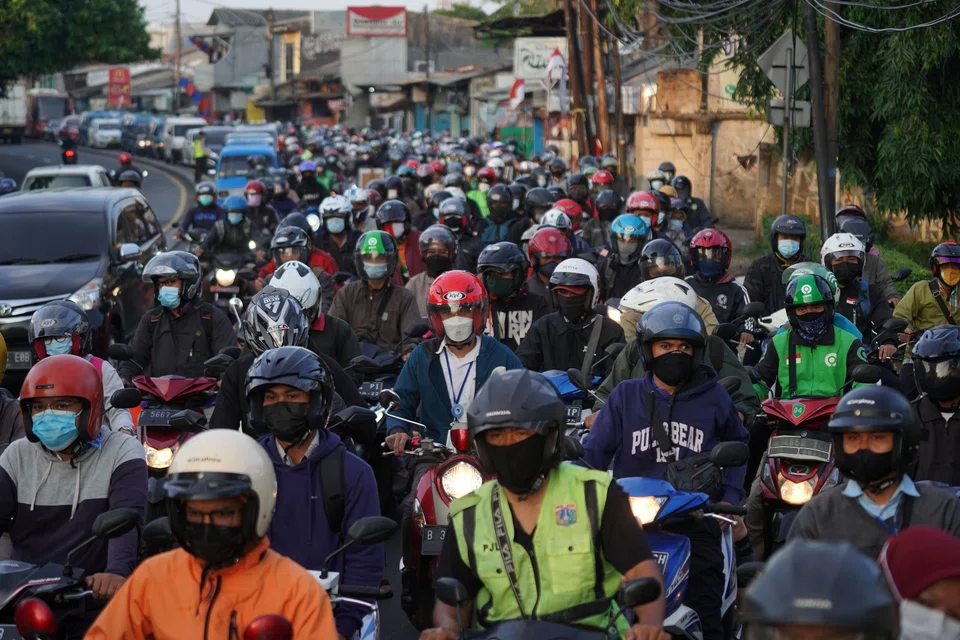
    • As we look deeper into the dynamics of Indonesia’s electric two-wheeler market, it’s impossible to overlook the vital role that regulators play in shaping its trajectory.
    • As we look deeper into the dynamics of Indonesia’s electric two-wheeler market, it’s impossible to overlook the vital role that regulators play in shaping its trajectory. PHOTO: BLOOMBERG
    Published Thu, May 25, 2023 · 05:50 AM

    IN THE heart of South-east Asia, a metamorphosis is underway. As an investor, I’ve had the privilege of witnessing first-hand the transformation happening within the Indonesian automotive sector. This change is driven primarily by the rapid rise of the country’s middle class and a swell in urbanisation, factors that are fuelling an unprecedented demand for personal vehicles, despite the prevalence of ride-hailing in major cities like Jakarta and Surabaya. But it’s not just any set of wheels that the urban Indonesians are yearning for; the spotlight is squarely on electric vehicles (EVs).

    Let’s zoom out for a moment. The allure of Indonesia extends beyond its potential market size. This archipelago is blessed with abundant natural resources, including nickel – a critical ingredient for EV battery production. We currently account for more than 37 per cent of global nickel production and more than 22 per cent of global reserves. It’s a strategic advantage that puts Indonesia in a unique position to become a significant player in the global EV landscape.

    But the story doesn’t end there. The government has bolstered its commitment to reducing greenhouse gas emissions. It set a new target to cut emission levels by 31.9 per cent on its own or 43.2 per cent with international support by 2030. This is bolder than its Paris Agreement pledge, which was to cut emissions by 29 per cent or 41 per cent with international help. Vehicles on the streets currently account for 20 per cent of all carbon emissions in Indonesia.


    To make good on this promise, it has extended enthusiastic support for green tech across the board. This commitment has manifested in policies and initiatives designed to foster the growth of the EV market. The country isn’t just ready for the EV leap; it’s actively laying the groundwork. As we watch this unfold, one thing is clear: The Indonesian electric two-wheeler market is a sleeping giant, ready to leapfrog most other nations in terms of adoption.

    Against the backdrop of Indonesia selling a staggering 5.2 million new motorcycles in 2022 alone, I am of the bold opinion that a quick paradigm shift is about to happen for fully electric two-wheelers.

    Policymakers to set the pace

    As we look deeper into the dynamics of Indonesia’s electric two-wheeler market, it’s impossible to overlook the vital role that regulators play in shaping its trajectory. It’s a complex task, but if done right, the effects will be truly transformative.

    Incentivising EV adoption requires a multifaceted approach. Policies such as tax breaks and subsidies can play a considerable role in nudging consumers and manufacturers toward this sustainable alternative.

    The government will allocate seven trillion rupiah (S$633.2 million) in state funds to subsidise electric motorcycle sales through 2024. It will offer financial assistance to buyers of new electric vehicles in the form of seven million rupiah for each purchase or vehicle conversion, with the administration earmarking 1.75 trillion rupiah for the initiative.

    These and other key policies in the works are encouraging and are designed to help cover sales of 800,000 new electric motorcycles and convert 200,000 combustion engine motorcycles.

    A significant focus must also be on the development of robust charging infrastructure. Only then can we eliminate one of the most daunting barriers to EV adoption – range anxiety.

    The implementation of these policies is only one part of the equation. A clear and comprehensive regulatory framework is equally critical. It’s this framework that provides automakers and consumers with the confidence to invest in EVs. It’s the assurance that their investment will not be undermined by a sudden policy shift or an unexpected market fluctuation.

    But creating such a framework is no easy task. It requires collaboration, foresight, and a deep understanding of the market’s unique characteristics. It’s a challenge that must be met head-on for Indonesia’s EV market to reach its true potential. The regulators hold the key. Their actions today will determine whether Indonesia emerges as a global EV hub or a missed opportunity in the archives of automotive history.

    Meeting infrastructure woes with innovation

    On the investment side, the market presents an exciting frontier for both domestic and global stakeholders. But one hurdle that continues to impede this progress is the challenge of building out charging infrastructure across the nation, specifically for swapping stations.

    This challenge calls for innovative solutions. Self-charging systems and battery swapping are two potential solutions, each with its own merits. The former, given the unique topography and urban structures of Indonesia, could offer a highly adaptable solution if implemented effectively.

    On the other hand, battery swapping has proven successful in countries such as China and Taiwan. These models have effectively reduced waiting times, enhancing convenience for EV users. Nevertheless, it’s essential to consider Indonesia’s unique cultural, geographical, and infrastructural contexts when adopting any strategy. Whichever route is chosen, it should align with Indonesia’s present circumstances and future aspirations.

    Indonesia’s current EV penetration level is similar to China’s a decade ago, which indicates exciting growth potential. From 2015 until 2021, China’s electric two-wheeler market mushroomed from 0.5 per cent to a whopping 19.7 per cent penetration. Vietnam has a similar story to tell. In 2015, it had a 2.5 per cent electric two-wheeler market, soaring to 9.7 per cent in 2021.

    In both cases, adoption shot up largely due to favourable policies by regulators and subsidies that simply rewarded consumers’ wallets for going electric.

    Today, we’re sitting at 0.2 per cent penetration for electric two-wheelers in Indonesia, on the eve of what may be a similar or larger proportionate surge.

    Global investors for a local revolution

    The opportunity here for global investors is strikingly evident. Given all the ingredients coalescing today, there is no question that this market holds enormous potential. But to unlock it, there is a pressing need for global institutions to earmark investment dollars for Indonesia’s EV revolution. We already see names like Hyundai, Honda, Mitsubishi, and Wuling making their bets, along with a handful of local players already on the move.

    Yet, the journey into this new market isn’t one to be made alone. The landscape, although promising, can be complex and challenging. This is where the power of partnership comes into play. As the competition reaches a boiling point in the next couple of years, aligning with a strong local partner will be essential for success.

    This should be an industry stakeholder with a nuanced understanding of the local terrain – the unique challenges, opportunities, and cultural factors that an outsider may overlook. They should come to the table ready to help navigate the regulatory environment, forge necessary connections, and provide crucial insights into consumer preferences.

    At the end of the day, regulators must continue to incentivise EV adoption in the mass market, while entrepreneurs need to address charging infrastructure challenges with ingenuity. Smart global money must get institutional capital into Indonesia’s EV market now and establish alliances with local experts, or be sidelined in one of the world’s biggest investment opportunities today.

    The writer is founder and managing partner of AC Ventures, a leading early-stage venture capital firm focused on Indonesia and Asean.


