

ChatGPT refuses to be friendzoned
The chatbot’s impending ‘adult mode’ shows how old human impulses still drive new technology
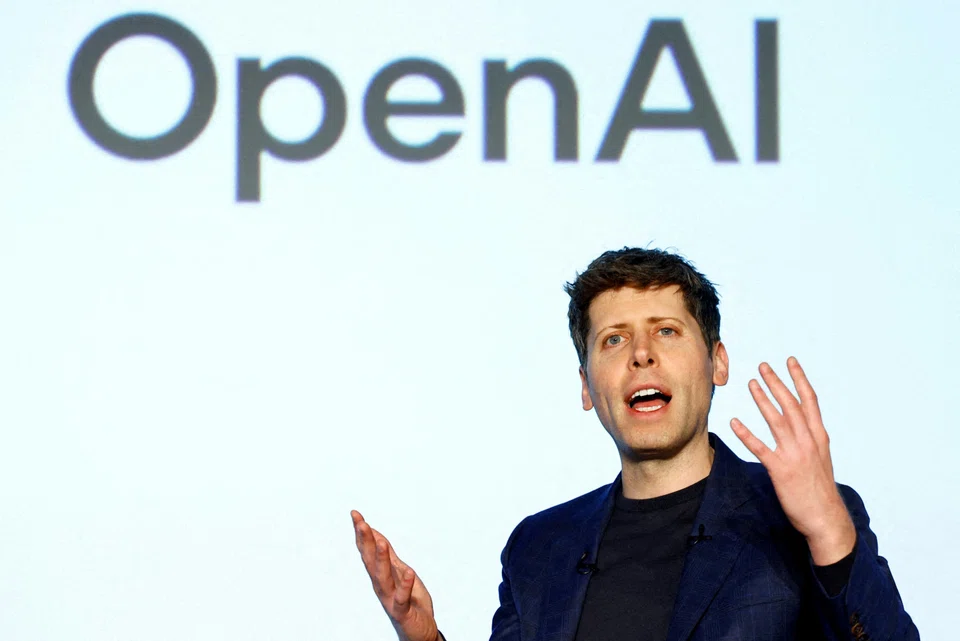

I AM not in the habit of making New Year’s resolutions, but if I were, it would be to get through 2026 without engaging OpenAI’s ChatGPT in any sort of dirty talk.
My resolve will soon be tested because OpenAI is planning to debut “adult mode” within ChatGPT sometime this quarter. In December 2025, the company said that it was testing its age-prediction model, which it will use to age-gate the racier interactions that it plans to enable.
As part of the eventual roll-out, the chatbot is expected to be able to engage in what OpenAI’s founder Sam Altman had called “erotica for verified adults” in a post on X last October.
Altman wrote that while the company believed that minors need significant protection, it also cares “very much about the principle of treating adult users like adults”.
“As AI (artificial intelligence) becomes more important in people’s lives, allowing a lot of freedom for people to use AI in the ways that they want is an important part of our mission,” he added.
A sceptic would regard this evolution in OpenAI’s stance as being motivated more by profit than principle.
As it is, profit is but a distant mirage for this cash furnace of a company: Its expected annual revenue run rate of US$20 billion pales in comparison to the US$1.4 trillion that the company has committed to spending on computing power over the next eight years.
Compounding matters, rival chatbots such as Google’s Gemini and Anthropic’s Claude are encroaching on OpenAI’s mindshare, while Chinese large language models multiply by the day.
In being less buttoned up, OpenAI will be treading a well-worn path. Following the money usually entails a lucrative detour to the gutter; consider the various mainstream technologies that have proliferated in service of erotica, such as the VHS cassette format, online payment systems and video streaming.
The latest twist to the world’s oldest preoccupation is that machines have progressed from distributing mass-produced adult content to generating hyper-personalised fantasies on demand.
It is, if nothing else, a welcome counterweight to this interminable “AI bubble” talk. It might also prove better business. The AI companion and erotica segments are not as chronically overinvested as the wider sector is, since they occupy the investor-unfriendly territory of stigmatised behaviour and base instincts.
Also, a well-developed relationship bot is less commodifiable than a productivity-based one. Consider the pricing power commanded by a virtual girlfriend who knows your most sublimated desires and cares very much that you’re having a bad day. Now, compare that to a tool that generates spreadsheets for you.
Already, research has found that on average, users interact four times longer with CharacterAI’s companion chatbots than with ChatGPT – nobody wants to spend more time generating a spreadsheet than absolutely necessary. Little wonder, then, that Altman is trying to claw back some of that engagement with a more libertarian approach.
OpenAI is well-positioned to make play for this steamier segment of the market. Its vanguard role in chatbot circles lends it credibility, but it has not been around long enough to be ossified by pre-existing norms.
I, too, believe in treating adults like adults, so I wish ChatGPT every success with “adult mode” – just not with me. It will be strictly spreadsheets between us, buddy.
TRENDING NOW

From AI financing to Indonesia outlook: 4 takeaways from Singapore banks’ Q3 results

VinFast, Mitsubishi weigh Philippine EV production as state incentives near

Analysts cut DBS target price on lower 2027 earnings, but see buying opportunity after share price slide

Could Japan trigger the next global financial crisis?

