THINKING ALOUD

Children are national assets. Our support must reflect that

A case for treating children as Singapore’s long-term equity
Summarise
    • If children generate positive externalities – fiscal, social and strategic – then public co-investment should mirror that reality across the life cycle.
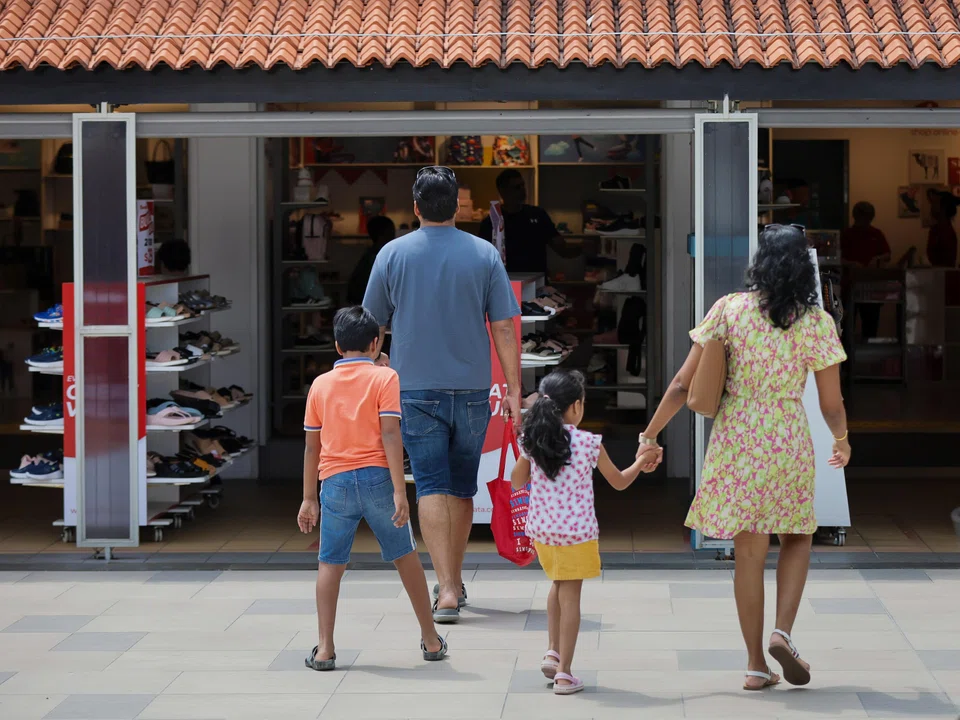
    • If children generate positive externalities – fiscal, social and strategic – then public co-investment should mirror that reality across the life cycle. PHOTO: BT FILE
    Published Thu, Mar 5, 2026 · 07:00 AM

    SINGAPORE is ageing at a pace that should unsettle even our most disciplined planners.

    By 2030, one in four citizens will be over 65. Our total fertility rate has fallen from 0.97 to 0.87 in a single year. We are not merely below replacement. We are in demographic contraction.

    Policy responses have been serious: enhanced baby bonuses, longer parental leave, housing priority, flexible work arrangements. Necessary measures, all. But they remain heavily front-loaded – concentrated around birth and the early years.


    The data suggests that this architecture, while helpful, is insufficient.

    If we are to stabilise fertility in a society where opportunity costs are high and aspirations rising, support cannot taper off after infancy. It must be structured as a sustained partnership between state and family – one that recognises children not as episodic expenses, but as long-duration national assets.

    Today’s framework implicitly signals that the heaviest burden lies at birth. In reality, parental anxiety stretches across two decades: childcare, enrichment, healthcare, digital access, tertiary education and foregone income during caregiving years.

    Couples are not merely evaluating baby bonuses. They are modelling 20-year cash flows.

    In a rational, forward-looking society, citizens optimise across lifetime utility. When the long-term cost curve appears steep and state support declines after the early years, smaller families become the logical outcome.

    Rather than a collapse of values, it is a response to incentives.

    From a macroeconomic perspective, children are not consumption. They represent future fiscal capacity. In a super-aged society, they will fund healthcare outlays, sustain Central Provident Fund inflows and underpin economic dynamism. Technology and productivity gains can mitigate labour shortages, but they cannot fully compensate for a shrinking working-age base.

    If children generate positive externalities – fiscal, social and strategic – then public co-investment should mirror that reality across the life cycle.

    What might this mean in practice?

    First, shift from predominantly lump-sum transfers to predictable, sustained child-linked support extending into primary, secondary and even post-secondary years. Predictability often reduces anxiety more effectively than episodic generosity.

    Second, address structural cost pressures in education and child development. When enrichment spending becomes perceived as necessary for mobility, fertility becomes hostage to competitive escalation. Policymakers cannot control parental psychology, but they can shape the ecosystem.

    Third, recognise that policy is also signalling. Sustained support across 20 years conveys a different message from front-loaded grants: the nation stands with families for the long haul.

    Singapore has never been short term in its strategic posture. We built reserves before crises emerged. We invested in education and infrastructure long before returns were visible. Demography demands similar foresight, intentionality and patience.

    This is not an argument to moralise family size or diminish the contributions of singles and the child-free. It is a balance-sheet argument. If children are future taxpayers and caregivers, then supporting them is not redistribution; it is capital formation.

    The alternative is arithmetically clear: a shrinking citizen base implies heavier fiscal transfers, greater reliance on immigration or reduced social spending per capita. None are painless.

    In an era of plummeting fertility, marginal tweaks will not suffice. The state has demonstrated willingness to spend. The next step may be to rethink duration.

    If children are truly Singapore’s long-term equity, our financial architecture must reflect long-term commitment – not only at birth, but across the full arc of childhood.

    The writer is a lawyer and senior accredited director of the Singapore Institute of Directors, serving on several boards