Chinese tech IPOs’ complicated comeback
AFTER going silent for over a year, the market for Chinese tech listings is finally showing signs of life again. Global investors would probably love to “gan bei” to a fresh wave of stock market debuts. But many are still keeping a sober watch on geopolitical and economic volatility.
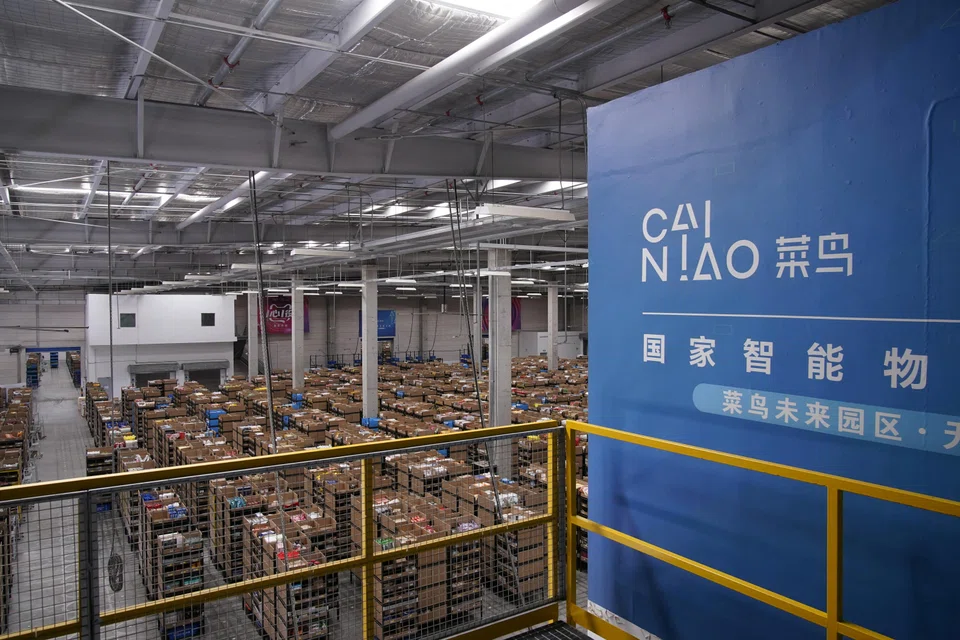
On Monday (May 8), Alibaba’s logistics arm Cainiao Network Technology was reported to be eyeing a Hong Kong initial public offering (IPO) of up to US$2 billion. This could be the first of other Alibaba-linked IPOs in the offing. In late March, the e-commerce giant unveiled its split into six units: Cainiao; cloud intelligence; Taobao and Tmall; food delivery and mapping; digital media and entertainment; and global digital commerce. The last of those includes e-commerce platforms AliExpress and Lazada. These units may each pursue an independent IPO.
Beyond Alibaba, several Chinese companies have also submitted applications for Hong Kong listings, such as the owner of logistics service Lalamove, fitness app Keep and social media platform Soulgate. More exciting IPO aspirants could include TikTok parent ByteDance – most recently valued at US$220 billion – as well as fast-fashion giant Shein and Xiaohongshu, dubbed China’s answer to Instagram.
The possibility of an IPO wave is in stark contrast to the turmoil of recent years. Chinese tech IPOs were all the rage in 2018, when food delivery giant Meituan raised US$4.2 billion in its Hong Kong IPO. Other mega listings included digital media players iQiyi, Tencent Music and Pinduoduo (now called PDD Holdings), as well as electric vehicle maker Nio.
Hopes then soared sky-high in 2020 for what was supposed to be the world’s largest IPO ever – Ant Group’s planned US$34 billion listing in Shanghai and Hong Kong. But Ant abruptly pulled the plug on this, amid the Chinese government’s crackdown on the tech sector.
The next year, ride-hailing giant Didi Chuxing said it would delist from the US, in the face of Chinese government pressure. Other behemoths, including Tencent and Alibaba, faced harsh scrutiny over their market dominance. China’s zero-Covid policy added further pressure on these companies and the IPO market for Chinese tech turned sour.
The tides are now turning gradually, as the Chinese government is seen to be loosening its grip on the tech sector to promote economic growth. While sentiment is more upbeat now, market observers are still cautious. One big wild card is how US-China tensions may play out. ByteDance remains in limbo over whether TikTok could be banned in the US, while Shein and Temu are facing allegations of unfair business practices.
Geopolitical drama aside, broader macroeconomic conditions are also uncertain. China last month logged a sharp decline in imports, raising fears of weak domestic demand. Continued interest-rate hikes and banking stresses in the West further add to global recession risks.
How Chinese tech giants navigate these minefields remains to be seen. In the meantime, it’s too soon to whip out the baijiu to celebrate.