

Chipmaker Cerebras joins OpenAI’s inner circle – for a price
Launching into the magic of the Altman-osphere could prove to be quite a windfall
CEREBRAS Systems, a maker of chips used in artificial intelligence, considered going public roughly 18 months ago, and then changed its mind. It’s a good thing it did: the company is set to list its shares this week at a US$47 billion valuation that would have been unthinkable at the end of 2024.
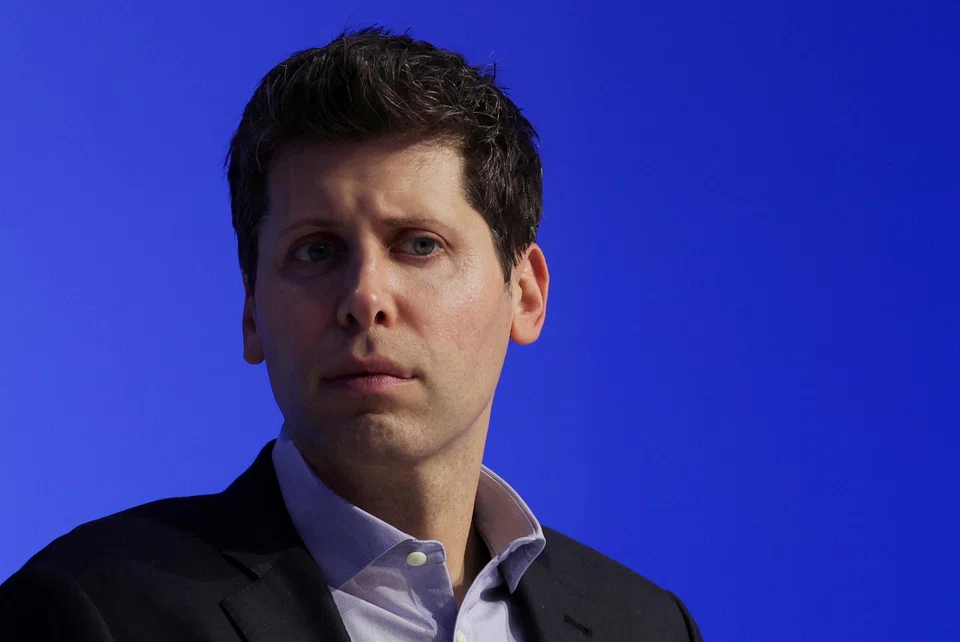
What changed? Among other things, Cerebras managed to launch itself into Silicon Valley’s most glittering orbit: the Altman-osphere.
When it first tried for an initial public offering (IPO), Cerebras had a fascinating product, but not many buyers. Its chips, roughly the size of a dinner plate, outperform Nvidia’s coveted, much smaller GPUs by some measures, in part by obviating the need for external memory.
The hitch in 2024 was that almost all of its revenue came from Abu Dhabi-based G42, an AI company run by a member of the emirate’s ruling family.
Since then, Cerebras has signed up new customers; most notably, OpenAI. Rather than sell chips to Sam Altman’s company, it will provide the ChatGPT maker with cloud computing using its own semiconductors.
OpenAI gets access to 750 megawatts’ (MW) worth of computing power for three years, which it can extend and enlarge if it wants to. Which it may: the deal is just one-fortieth of the total “compute” OpenAI thinks it needs by 2030.
That could prove quite the windfall for Cerebras. The going rate for accessing 750 MW of compute is about US$9 billion, according to people familiar with the situation, so OpenAI would bring in about US$27 billion over three years.
At Cerebras’ gross margin of around 40 per cent, the OpenAI tie-up might conjure up US$10 billion of profit for its new partner, in round numbers – handy for a company whose operations lost money in 2025.
Gaining access to AI’s commanding heights doesn’t come cheap. Cerebras is handing OpenAI warrants, over time, that could give OpenAI a tenth of the company’s shares. Based on a share price of US$155 at the midpoint of its IPO range, that is worth about US$5 billion.
Cerebras is, in other words, giving half of the deal’s profit back in return for joining Altman’s magic circle – presumably hoping that, where OpenAI goes, others will follow.
This is, by now, a well-trodden path for OpenAI. It did a similar deal with Advanced Micro Devices (AMD) last October; AMD’s shares have since trebled. An earlier alliance with Nvidia, the dominant AI chipmaker, saw Nvidia invest in OpenAI’s stock, through a recent US$30 billion fundraising.
Altman gets access to data centres to train and run his AI models; he also widens the group of companies and investors with a vested interest in helping OpenAI succeed.
Cerebras’ backers will no doubt feel that kissing the ring was worth it. With perhaps US$3 billion of revenue this year, the company stands to go public this week at a generous valuation of 15 times sales, a higher multiple than the mighty Nvidia.
A year ago, with just US$500 million of estimated revenue and one major customer, it would have been lucky to get a market capitalisation a quarter its current size. Who says friends can’t be bought? FINANCIAL TIMES
TRENDING NOW

Once staunchly pro-China, Malaysian Chinese businesses are now distancing themselves from Beijing

Britain’s mansion tax shows the difficulty of targeting wealth

Three hats, one goal: How Ng Kian Swan runs sustainability at NUHS

COE review: The gap between luxury and mass-market cars isn’t the only one worth bridging

