

Clamp down on fraudulent ads to fight scams
 Add BT as a preferred source
EVERY other day, a new scam tactic claiming yet more victims makes the headlines. If it feels like scams are getting increasingly common, indeed they are: There was a staggering 64.5 per cent increase in the number of scam cases in the first six months of this year, to 22,339, compared with the same period last year, according to police data released last month.
The total amount that victims lost dipped 2.2 per cent to S$334.5 million over the period, but that is cold comfort. Observers said this could be indicative of a change in tactics, where scammers cast a wider net by targeting more victims and cheat them of smaller amounts. Job scams, e-commerce frauds and phishing cons are among the most common ploys that perpetrators use to swindle their victims.
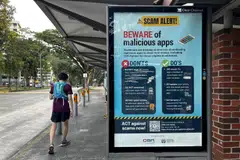
Worryingly, there also appears to be more victims falling prey to Android malware scams, in which victims are deceived into installing malicious apps that allow fraudsters to access their devices remotely to execute unauthorised transactions.
In many cases, victims were lured by fraudulent advertisements posted on social media platforms such as Facebook or Instagram. In the first half of the year, there were more than 750 such cases, which racked up losses of over S$10 million.
Trying to catch scammers seems to be a game of whack-a-mole. Public education has been an important facet of the authorities’ strategy in raising people’s vigilance towards potential scams, but this often ends up being a case of catch-up – with the warnings sounded and attention drawn only after more people have fallen victim.
Instead, in dealing with increasingly sophisticated tactics, there may be a need to dig into a wider arsenal of tools to block these fraudsters from the get-go. Given the growing number of victims who encounter scammers through fraudulent ads, there may be a need to consider stronger regulation around commercial and promotional material that’s pushed out on social media.


In recent years, under pressure from governments and the public, many social media companies such as Meta and Google have worked on beefing up their fact-checking and censorship teams, to weed out fake news and problematic content like pornography or violence.
This commitment to veracity should naturally be extended to ads or product promotional posts on their platforms, given how many of the scam victims had fallen prey to the ruses while scrolling through social media – and not least, the fact that the ads are, after all, paid content on the platforms. Stronger regulation can compel social media companies to take at least partial responsibility for fraudulent ads.
Holding the firms responsible for bad, con ads could also be taken into consideration in the draft framework on sharing liability for scam losses that the Monetary Authority of Singapore plans to release soon for public consultation. Making social media companies bear some liability, alongside financial institutions, would encourage them to play an active and constructive role in gatekeeping fraudulent ads while also complementing other anti-scam measures.
Decoding Asia newsletter: your guide to navigating Asia in a new global order. Sign up here to get Decoding Asia newsletter. Delivered to your inbox. Free.
Share with us your feedback on BT's products and services
TRENDING NOW

UOB CEO’s youngest child Grant Wee turns burnout into a wellness business

Wanted: 100 AI specialists, 100 wealth relationship managers at HSBC Singapore

China chipmaker CXMT jumps 472% in debut after US$9.8 billion IPO

Temasek should publicly state its position on the long-rumoured CapitaLand-Mapletree merger

