
THE BOTTOM LINE

Closing the luxe-goods loophole in money laundering
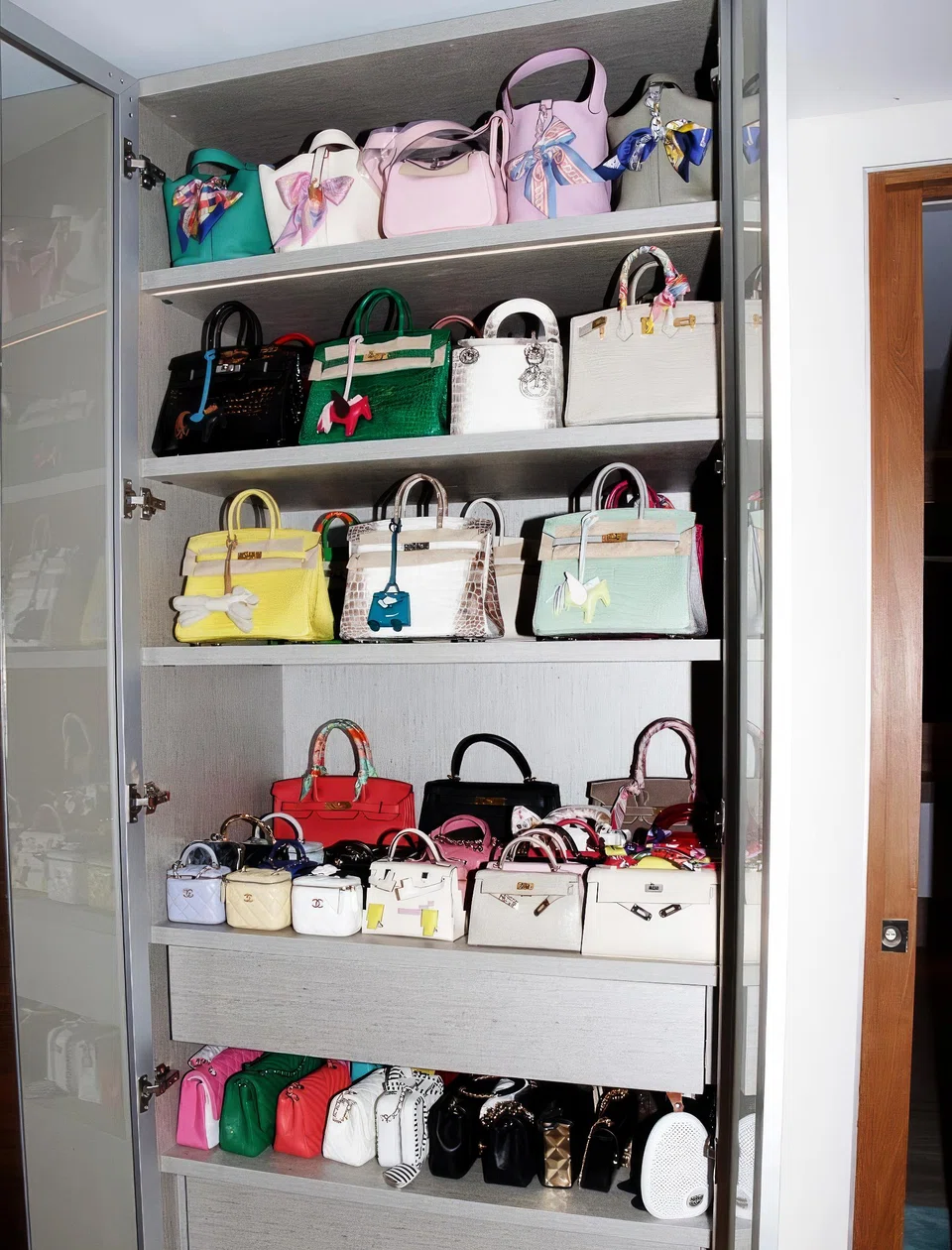
    • Some of the designer bags seized in Singapore's S$2.8 billion anti-money laundering bust in August.
    • Some of the designer bags seized in Singapore's S$2.8 billion anti-money laundering bust in August. PHOTO: SINGAPORE POLICE FORCE
    Published Thu, Oct 12, 2023 · 05:00 AM

    THE biggest money laundering probe in Singapore’s history has revealed the significant role of luxury goods as a loophole for the racketeering. The latest revelations highlight that such goods, ranging from high-end vehicles to watches and handbags, constituted a significant portion of the S$2.8 billion worth of assets seized thus far.

    The under-regulation of the luxury goods trade, as highlighted in Parliament last week, has contributed to the exploitation of the sector for money laundering.

    Recognising the challenges posed by such sophisticated tactics, a new inter-ministerial committee was announced to ensure that Singapore’s anti-money laundering (AML) framework remains effective in dealing with these threats – including exploring how non-financial institutions can fortify defences against money laundering threats.


    Addressing the issue of luxury goods being exploited as conduits for illicit financial activity is crucial for Singapore to maintain its global stature as a top-notch, robustly regulated financial centre.

    Fragmented high-value goods trade faces less scrutiny

    The value of luxury goods is often driven more by demand than objective metrics. With goods fetching resale values many times above their original prices, it’s evident why they’re attractive for money laundering – purchasing such items at inflated prices can “store” illicit gains discreetly.

    The portability of luxury items is another advantage. Transporting a designer-brand name handbag or a limited-edition figurine in a suitcase is much simpler than trying to move an entire property of similar value, which would at the same time undergo more rigorous compliance checks.

    While financial institutions in Singapore are heavily regulated, other non-regulated sectors face fewer specific AML mandates. In the automobile industry, the absence of prescribed AML measures has created a distinction in practice between authorised dealers and the smaller outfits processing secondary sales, making them particularly appealing for money laundering.

    The issue is exacerbated by the fragmented structure of the luxury goods industry – where distributors and retailers are primarily small businesses. Often operating with lean teams, these dealers lack the resources for advanced AML technologies that will enable the level and extent of analysis, rigour and accountability needed to weed out and investigate suspicious transactions.

    Furthermore, dealers prioritise a tailored customer experience. Introducing AML processes might disrupt their business model, a challenge duly recognised by the policymakers and authorities, who would want to ensure that any new regulation does not end up “unduly inconveniencing legitimate businesses and customers”.

    AML technologies coupled with multi-level cooperation will be key

    The key to addressing the compliance gap lies in building a strong foundation through a comprehensive and easily accessible database of transaction and customer data, that would facilitate seamless due diligence.

    This support system will need to be enabled by easily adaptable tools that allow dealers to update each transaction to a publicly available database, without incurring cost nor friction for the customer.

    Digital trust technologies such as blockchain ensure transaction authenticity and security. Every document or credential issued to the blockchain is tamper-proof, can be traced back to the source of issuance, and instantly verified with a simple QR code scan.

    Instead of allocating vast resources to complex AML systems, blockchain enables dealers to chronicle transactions securely and seamlessly with a mobile device, for instance, streamlining the process and minimising undue interactions with customers.

    Yet, technology alone isn’t the panacea – policies and regulation have to be put in place to ensure that dealers are obliged to take stock of each transaction diligently, and make these records readily available to the authorities.

    In addition, while technology offers tools, effective tracking and enforcement require a collective commitment. Public-private collaboration is thus essential, leveraging digital trust technologies to underpin a harmonised regulatory approach that is constantly adapting to the changing landscape of digital threats and opportunities.

    Today, illicit financial activities increasingly span multiple borders. By promoting international cooperation, nations can share intelligence harnessed by such technologies as well as strategies, bolstering collective efforts against money laundering.

    Singapore currently heads the Financial Action Task Force – a global intergovernmental organisation to combat threats to the integrity of the international financial system – and is in a unique position to spearhead these efforts.

    With its leadership, Singapore can shape the global narrative, emphasising international collaborations and pushing for adaptive regulatory measures by promoting the adoption of verifiable technology, which some Singapore government agencies are already utilising. The Accounting and Corporate Regulatory Authority, for instance, is already using blockchain technology to issue verifiable business profiles and certificates.

    Tackling money laundering calls for evolving strategies, including tapping emerging technologies. Digital trust technologies, backed by global collaboration, are pivotal for future security.

    The writer is CEO and co-founder of Accredify


