

A collaborative approach towards the future of work
Move the conversation out of the boardroom and also give a seat to economists, organisational behaviour specialists and urban planners, among others
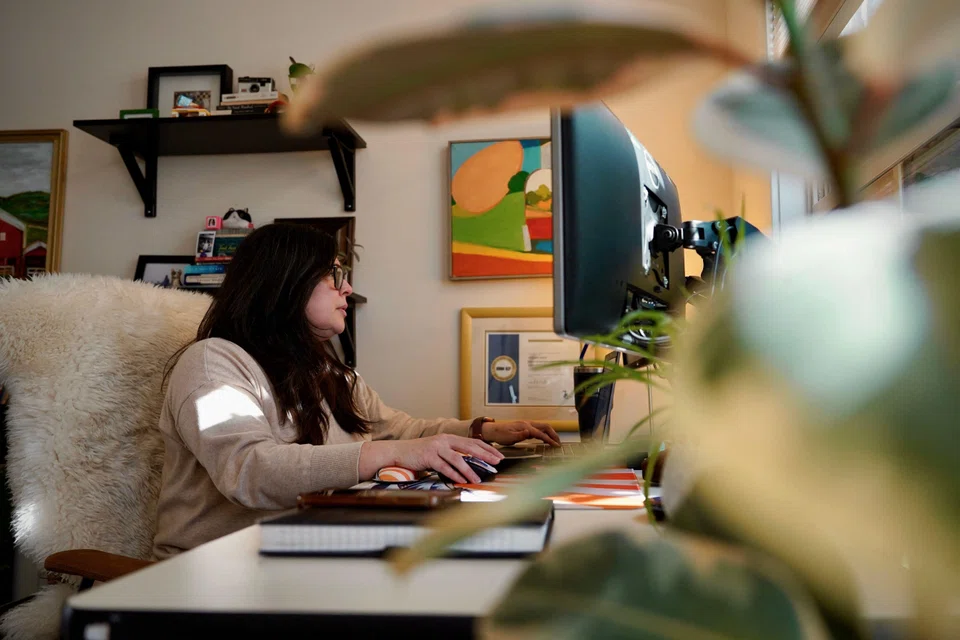
REMOTE work: yay or nay? Whichever camp you stand in, the debate is set to rage on. Elon Musk has called remote work a “Covid-era privilege”, while others including prominent economists continue to argue for its potential to positively transform workplaces and urban living. Amazon, after its heavy-handed approach to its five-day-per-week in-office policy, has now delayed the return to office. And, closer to home, Grab has mandated a return to the office. On the flipside, others such as Spotify remain committed to flexible arrangements.
The tenuous part of the current conversation is that each party, whether it is the employee calling for more flexibility or the CEO seeking more in-office interaction, is prioritising their own interests while sidelining other important considerations. This needs to change.
The fundamental shift towards remote work is not only a change in how we work, but also how we live and how and where we travel. The wider implications of remote working – the shift towards or away from it – should be given greater attention with input from all stakeholders to ensure equitable and long-term benefits for the whole of society.
TRENDING NOW

Government to bring forward raising of retirement age, give employers more financial support to create flexi-load jobs
Former minister Maliki Osman, Revolut chairman join Asia Gulf Holdings advisory board

Is Manila Asia’s new dining hot spot?

Simba at risk of losing operating licence over spectrum misuse

