Enhancing lifelong learning for a more sustainable future
“SUSTAINABLE development” is a term that has been receiving increasing attention in recent years, referring to an organising principle for meeting human development and environmental goals to address different global challenges. It also involves different aspects, including learning opportunities within and beyond formal education.
But how do we develop sustainably?
The 2030 Agenda for Sustainable Development, which serves as a blueprint for United Nations member states to progress while looking at five critical dimensions of people, prosperity, planet, partnership and peace, identifies quality education (SDG4) as one of its goals.
It enjoins countries to “ensure inclusive and equitable quality education and promote lifelong learning opportunities for all”, thereby giving lifelong learning a vital role in developing educational policies for sustainable development.
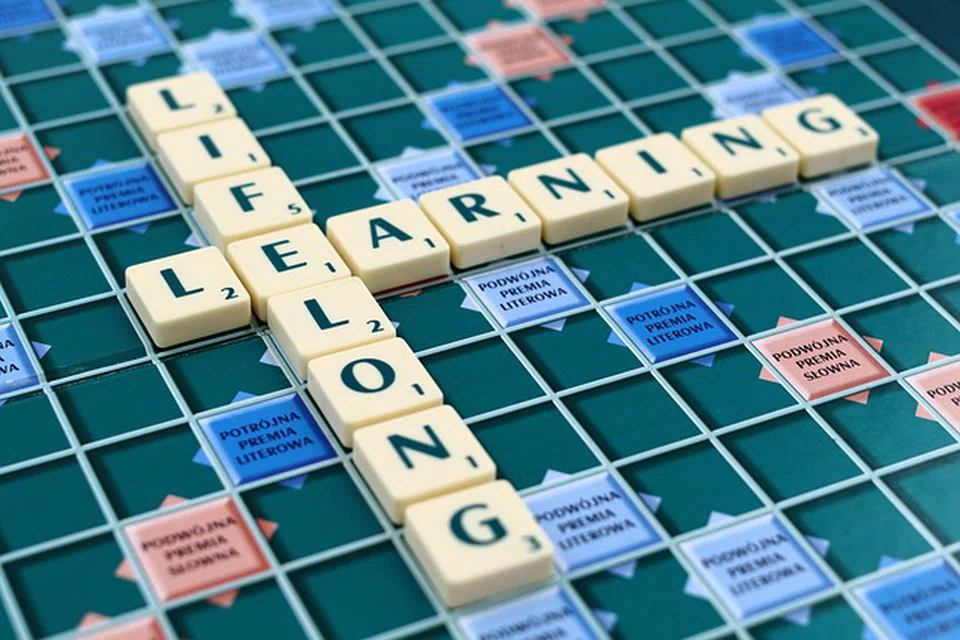
Lifelong learning combines two critical concepts – learning and living. It covers all ages, levels of education and life-wide contexts, as well as a variety of learning modalities that together meet a diverse set of needs and demands. It also enhances articulation, flexibility and visibility to facilitate flexible learning pathways available to all. However, what makes lifelong learning especially relevant in this day and age?
Well, the world is facing several disruptions that demand everyone – public or private, collective or individual, businesses and employees – to keep pace with the changes. As economic, technological, environmental, and social changes occur, it is imperative to cultivate adaptability, creativity, and, most importantly, learning throughout one’s lifetime.
In today’s world, people cannot simply navigate their lives based on the knowledge and skills acquired at school, college or university.
From rapid technology changes that cause industry shifts to increased global interactions that lead to different modes of work, there is a need to look at how education or learning can be leveraged to tide through the changes and anticipate future needs.
Futureproofing the lifelong learning ecosystem
Therefore, effective lifelong learning policies play a vital role in promoting and adopting lifelong learning across all age groups, levels of education, learning modalities, and learning spheres and spaces.
Government authorities are often tasked with designing such policies. However, the responsibility for lifelong learning can fall under different ministries and authorities at different levels because it occurs across sectors, agencies and generations.
In this regard, a wide range of political and policy agendas are involved. Lifelong learning policymaking, therefore, requires a systemic and cross-sector approach that is participatory by design.
Several factors are at play throughout the lifelong learning policymaking process, but the key one is the need to contextual, and to formulate a shared, comprehensive vision for lifelong learning, as it is essential to ensure that policies relate to national development priorities and are coherent with other government and public strategies.
From the learners’ standpoint, contextualisation is also crucial. Everyone has different needs and preferences, so learning opportunities must be relevant and adaptable to learners’ experiences. Hence, implementing flexible learning pathways that allow learners to choose what is best suited for them is a significant factor in encouraging them to embrace lifelong learning.
Additionally, focusing on expanding resources and support for the people who are instrumental in learners’ education, such as educators and solution providers, makes the broader ecosystem more robust and contributes towards improving the quality of learning opportunities.
Singapore, for example, has enacted a number of masterplans and roadmaps for its education and training landscape. These include the Continuing Education and Training (CET) Masterplan, first published in 2008 and refreshed in 2014, and the Training and Adult Education (TAE) Industry Transformation Map (ITM), launched by SkillsFuture Singapore.
The latter complements the SkillsFuture national movement, which offers all Singaporeans the opportunity to grow in their learning journeys throughout their lives, regardless of their starting points. This movement aims to drive Singapore’s next phase of development towards an advanced economy and inclusive society through each individual’s skills, passion and contributions.
With career transition and work-study programmes, mid-career support packages, and portals that facilitate access to information and resources, Singapore ensures its citizens are well-supported and equipped as they transition into the future.
Vital to adopt a lifelong learning approach, even amongst policymakers
While the promotion of lifelong learning is first and foremost tailored to bring developments to the individual, community, businesses and the nation itself, it is also essential to look beyond its immediate circle of impact.
This brings us to the last point, but certainly not the least. Only when we “learn together” can we advance towards a more sustainable future where lifelong learning is ingrained into the way of life. This is where conferences or summits provide a forum for dialogue and debate on best practices and what can be done to further fortify the lifelong learning ecosystem.
Undoubtedly, each nation is at a different stage of lifelong learning adoption, so each must learn from what has worked and what hasn’t in other countries.
After all, we are all learners by design. By taking a global perspective, building upon experiences and understanding how they can be applied to our context, we can make lifelong learning not only a reality but pay off for all.
The writer is director of the UNESCO Institute for Lifelong Learning