
Adjusting to a new world of persistent inflation
 Add BT as a preferred source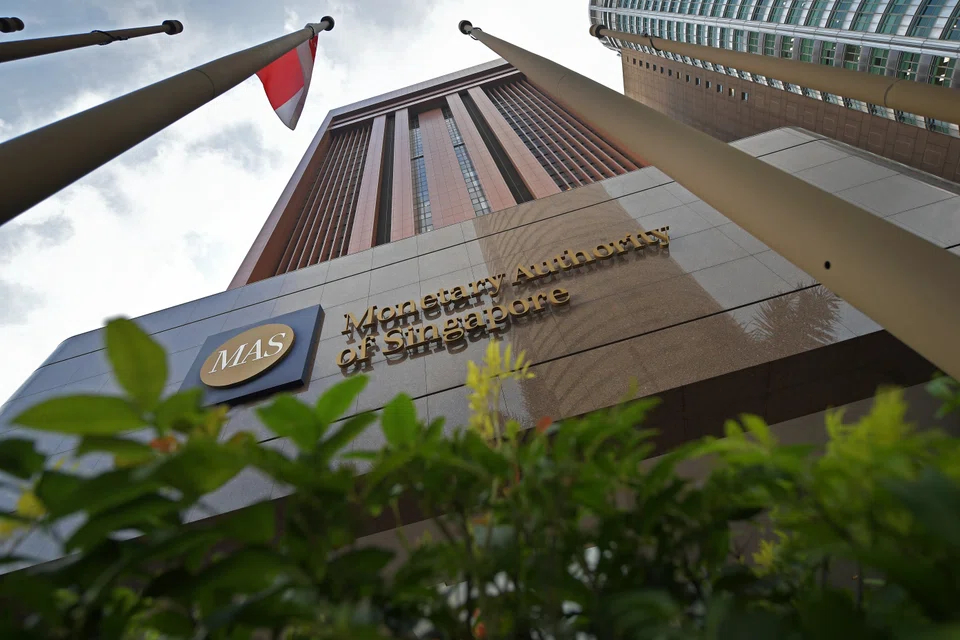
THE Monetary Authority of Singapore (MAS)‘s policy decision this month (October) took some by surprise. Not because policy was tightened – which was expected enough – but because of the specific move, which can be read as a response to longer-term trends and not just immediate pressures.
In formulating monetary policy, the MAS sets a path for the Singapore dollar nominal effective exchange rate (S$NEER) policy band. In each decision, it can choose to change the band’s slope, width, or level at which it is centred. In monetary “peacetime”, so to speak, the MAS tends to leave policy settings untouched or tweak the slope’s gradient, steepening or flattening it slightly.
Most economists were expecting such a move this month. Instead, the MAS re-centred the S$NEER upwards at its prevailing level – just as it had done in the last two policy decisions, including an off-cycle move in July. These have been the only consecutive re-centring decisions since the MAS began releasing monetary policy statements in 2001.
Decoding Asia newsletter: your guide to navigating Asia in a new global order. Sign up here to get Decoding Asia newsletter. Delivered to your inbox. Free.
Copyright SPH Media. All rights reserved.

