

Artificially low salaries and tax dodging
The case of Wee Teng Yau v Comptroller of Income Tax sheds light on issue of professionals setting up an incorporated company and tax avoidance.
 Add BT as a preferred source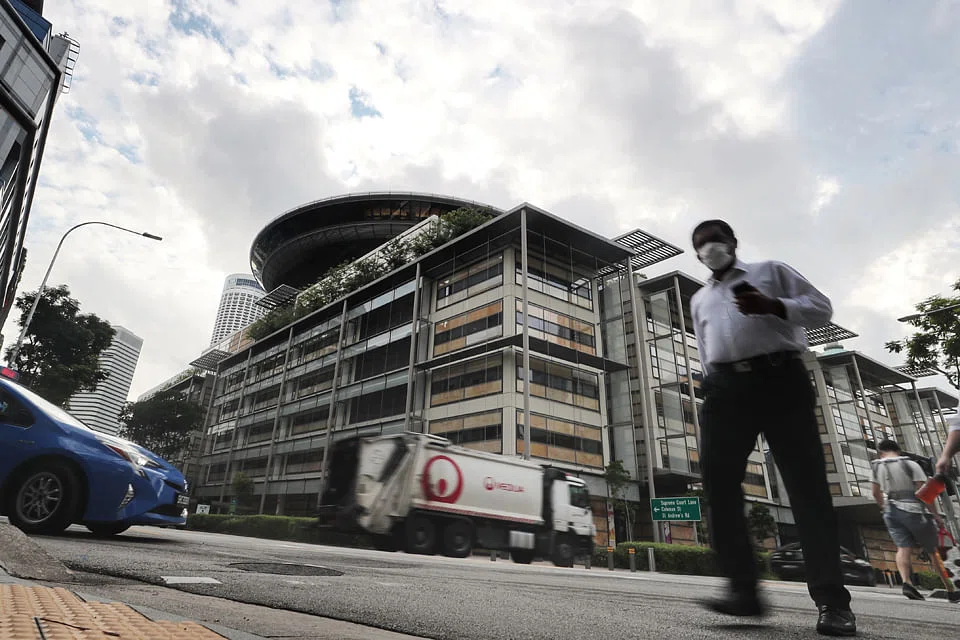
IN THE recent case of Wee Teng Yau v Comptroller of Income Tax, the Singapore Supreme Court considered the issue of tax avoidance by professionals for the first time. The case involved a dentist, Dr Wee, who was initially employed by Alfred Cheng Orthodontic Clinic Pte Ltd (ACOC). Subsequently, he incorporated Straighten Pte Ltd (SPL), of which he was the sole director and shareholder. Dr Wee continued to provide the same dental services to ACOC's patients as he had done before. However, instead of paying Dr Wee directly for his services, ACOC paid for his services to SPL, which in turn paid Dr Wee a salary and a director's fee.
The remuneration paid by SPL to Dr Wee was significantly lower than the salary he used to receive from ACOC. Additionally, tax-exempt dividends were also declared and paid by SPL to Dr Wee. Thus, as a result of the new arrangement, the total tax liability would be lower due to the tax benefits under the Start-Up Tax Exemption Scheme and the tax rate differential between the Corporate Income Tax Rate and the Personal Income Tax Rates.
The Comptroller of Income Tax (CIT) was of the view that this arrangement constituted tax avoidance and sought to recover the tax advantages enjoyed by Dr Wee. The Comptroller's position was upheld by both the Income Tax Board of Review (ITBR) and the High Court. The Court concluded that the arrangement helped Dr Wee to reduce his tax liability and was indeed tax avoidance.
Decoding Asia newsletter: your guide to navigating Asia in a new global order. Sign up here to get Decoding Asia newsletter. Delivered to your inbox. Free.
Copyright SPH Media. All rights reserved.
TRENDING NOW

‘We’re not a bubble tea brand’: Chagee aims to double Asia-Pacific footprint to 600 stores by 2027
Thai and Vietnamese farmers may stop planting rice because of the Iran war. Here’s why

Middle East-linked energy supply shocks put Asean Power Grid back in focus
As more Asean states turn to Russia for fuel, will Moscow boost its influence in the region?

