
Asean moving towards a lower carbon future
Both the public and private sectors are rallying forces to support Asean in achieving its sustainability ambitions.
 Add BT as a preferred source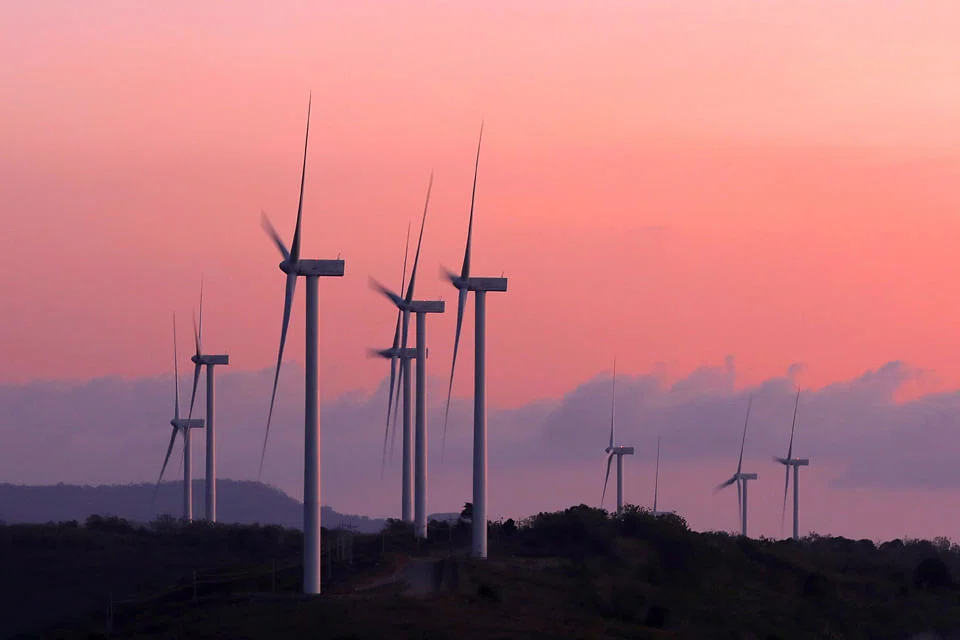
WHILE the rhetoric from the private and public sectors relating to Asean's need for decarbonisation has gained momentum in recent years, on-the-ground execution needs to match up.
According to the 6th Asean Energy Outlook (AEO), Asean is projected to fall short of its target of securing 23 per cent of its total primary energy supply from renewable energy by 2025, attaining only 17.7 per cent in the scenario that member states achieve their national energy efficiency and renewable energy targets as well as their Paris climate commitments. But there is a ray of hope.
With the recently endorsed Asean Plan of Action for Energy Co-operation (Apaec): Phase II (2021-2025), strategies that support member states in increasing the use of renewable energy for their power generation needs were laid out. The plan not only addresses solutions to help member states achieve the 23 per cent target, but also raises the region's use of renewable energy for power generation to 35 per cent by 2025. This translates to more than doubling Asean's solar photo-voltaic (PV) capacity from 32GW to 83GW, a doubling of wind capacity to 13GW, and a 17GW increase in hydro by 2025. These alone represent a capex requirement of around US$20 billion per annum out to 2025.
Decoding Asia newsletter: your guide to navigating Asia in a new global order. Sign up here to get Decoding Asia newsletter. Delivered to your inbox. Free.
Copyright SPH Media. All rights reserved.

