

Asean needs to consider its response to US-China conflict
LAST year was the year in which the US-China conflict that disrupted the East Asian regional order intensified. In mid-January 2020, the two countries signed a Phase One agreement to ease their trade dispute. Under this agreement, China will increase imports from the US by US$20 million from 2017 levels and remove tightened regulations on intellectual property, while the US will lift its designation of China as a currency manipulator. However, the US did not lift tariffs on Chinese imports.
The most significant point at issue in the conflict between the two countries is the battle for supremacy in world politics. The bottom line is that the structure of a hegemonic US and China's challenge to that hegemony has not changed. Despite the repeated heightening and easing of tensions, the US-China conflict will continue to shake the region and the world.
Southeast Asia will continue to attract attention as one arena in which such conflicts between the two countries play out. However, as well as paying attention to the way that the US and China approach these conflicts, our focus should be on the response of Asean countries and their efforts to secure their independence and profits.
TRENDING NOW

Grab CEO’s wife Chloe Tong on life with Anthony Tan and finding her purpose

US trade chief to consider trade deal tariff caps in excess capacity probe
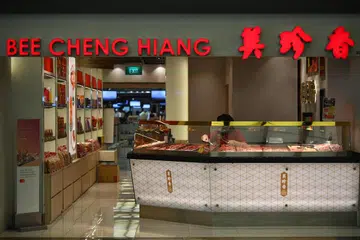
Bee Cheng Hiang customers’ e-mail addresses exposed in Singapore’s first case of AI-related data breach

DFI Retail to take over Starbucks business in Asia from Maxim’s Caterers

