

Ask not when top talent will leave; rather, welcome those who stay
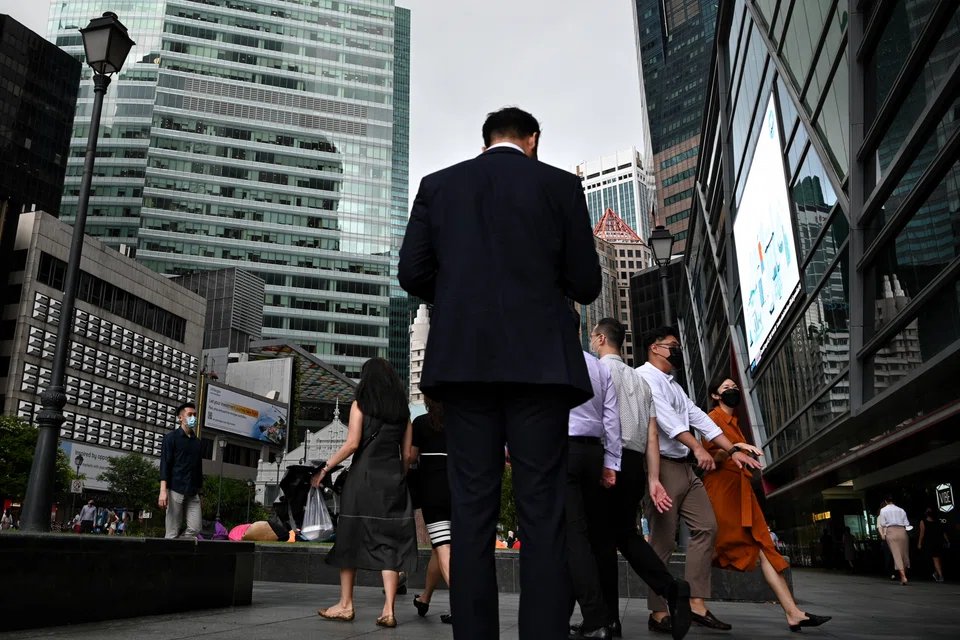
WHILE concerns over Singapore’s new pass for top talent are understandable, some of these worries are arguably incongruent with the mindset of a global city.
Even as the government guards against potential abuse of pass privileges, Singaporeans should consider the possibility that foreign talent may not always remain foreign – and welcome those who choose to stay and keep contributing.
The Overseas Networks and Expertise (One) Pass aims to attract top global talent in fields from business and research to sports and the arts, with applications opening in January. Valid for 5 years with the possibility of renewal, the pass is not tied to an employer, allowing its holders to start, operate and work for multiple companies here at any one time. This week, Members of Parliament (MPs) on both sides of the House asked a flurry of questions that Manpower Minister Tan See Leng answered in a ministerial statement.
Some wanted to know if there would be an annual cap on the issuance of One Passes; others, if there would be a maximum number of years that a One Pass holder can stay, as this could affect how they pass on their expertise or whether a Singaporean is found for their role.
To the first, Dr Tan said that imposing a quota does not make sense, as that is akin to “putting a hard limit on how strongly we can compete at the high-end of the global economy”. He did not directly answer the latter, asked by People’s Action Party MP Ang Wei Neng alongside another supplementary question. But he made the broader point that the intent of the One Pass is to keep Singapore at the cutting edge.
Similarly, Workers’ Party MP Jamus Lim asked if training and skills transfer requirements would be codified in law. In response, Dr Tan cautioned against too deterministic an approach, noting that skills transfer is just one way in which foreign talent can contribute and create opportunities. These diplomatic answers, however, stopped short of making a bolder point: that Singapore might not always want such talent to simply come in, contribute, and then leave.
To be clear, the One Pass is a far cry from schemes such as Australia’s Global Talent Visa, which aims explicitly to get “highly skilled professionals to work and live permanently in Australia”, and is a permanent visa that paves the way towards citizenship.
Singapore’s government has been more circumspect. In this small city-state, the effects of immigration are more keenly felt. And there is good reason to ensure that the pass regime is not exploited by those who see Singapore permanent residency or citizenship as a mere tax advantage or material benefit.
Yet a global city should welcome foreign talent not just for a short duration until they are no longer ‘needed’, but also if they choose to stay on. If, years from now, parliamentary questions are filed on how long One Pass holders have remained in Singapore, one hopes that they will be motivated by an interest in whether the country has succeeded in attracting talent, and not by the fear that it has done so.
TRENDING NOW
Motoring tycoon Peter Kwee is back in court: Here are his previous legal battles

Demand, tech capabilities position Apac and AI as Skyscanner’s next growth frontiers: CEO Bryan Batista

Beyond the greenback, Vietnam’s big borrowers turn to Asian-currency bonds

Nvidia’s outlook cut to stable by Moody’s on governance concerns

