
Beijing in Brussels’ bad books at EU summit
 Add BT as a preferred source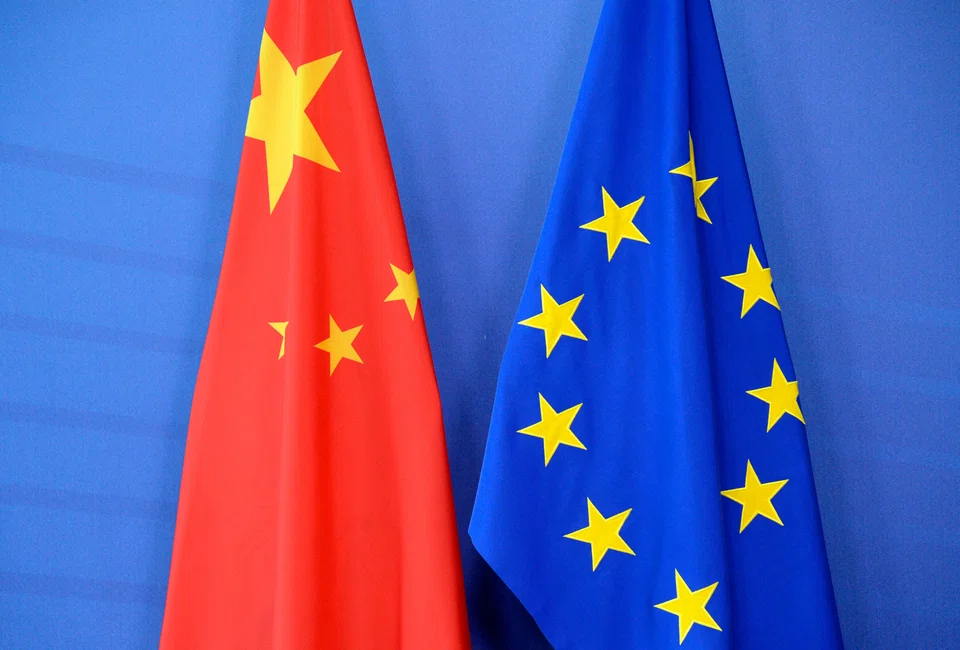
DISCUSSIONS over a big new potential gas price measure against Russia is top of the domestic political agenda in Brussels. However, the European Council summit of 27 presidents and prime ministers on Oct 20-21 may well be remembered also for a potentially significant hardening in the European Union’s (EU) foreign policy position toward China.
Relations between Brussels and Beijing have frayed now since at least the pandemic began, and this week’s summit could move closer to formalising that shift. This development, which comes as President Xi Jinping gets a third term from the National Congress of the Chinese Communist Party, bodes ill for bilateral relations, including the long-negotiated Comprehensive Agreement on Investment (CAI), whose ratification is frozen in Brussels.
The EU may stick to a three-part assessment of China as “partner”, “competitor” and “systemic rival”, despite this being potentially outdated. However, the European External Action Service (EEAS), the EU’s diplomatic body, this week has advised member states in a new document that the “competitor” piece should increasingly become the focus of bilateral relations as Beijing “becomes an even stronger global competitor for the EU, the United States and other like-minded partners”. This is key, it is asserted, because “China is not going to change” and is “moving to a logic of all-out competition, economically but also politically”.
Decoding Asia newsletter: your guide to navigating Asia in a new global order. Sign up here to get Decoding Asia newsletter. Delivered to your inbox. Free.
Share with us your feedback on BT's products and services

