

Between coal and a hard place: Golden Energy’s intended exit from the dirtiest fossil fuel

Anita Gabriel
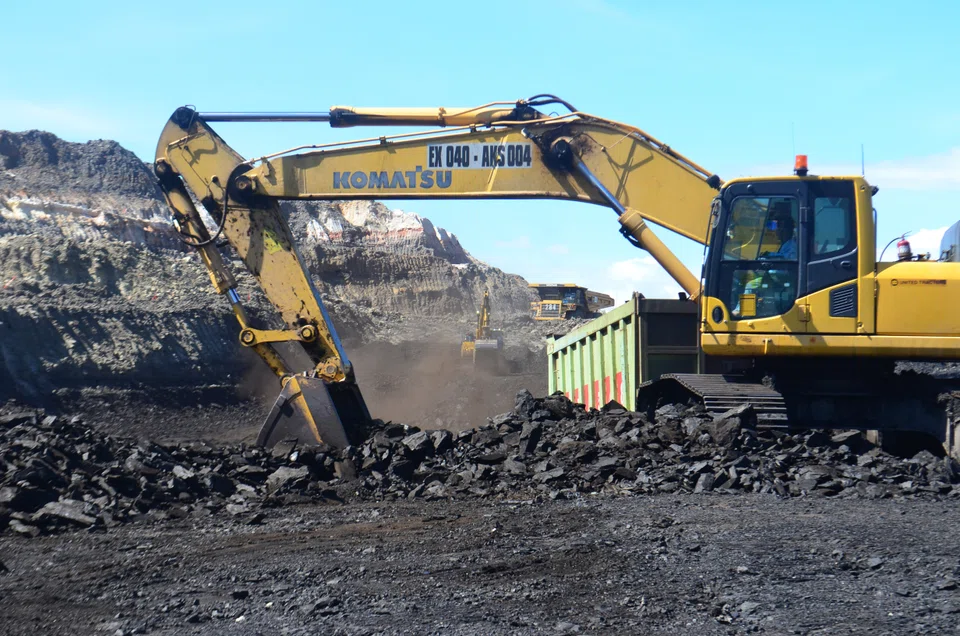
SINGAPORE-LISTED energy and resources firm Golden Energy and Resources (Gear) is mulling an exit from the energy coal business, a move that can be viewed as stepping up its environmental practices. How the firm, which owns Indonesia’s largest coal miner Golden Energy Mines (Gems), navigates this crucial intent, however, will be central to its own prospects.
The firm’s plan to cut its exposure to the dirtiest fossil fuel is in line with rising investor aversion to greenhouse pollution and also in sync with big strides by many Asean countries – and energy companies – to pivot towards renewable energy to meet long-term zero emission goals.
Thus far, the moves by Gear, controlled by Indonesia’s Widjaja family, on this front have been somewhat bite-sized.
Last year, Gear divested a small stake in Gems to 62.5 per cent from 67 per cent, aimed both at reducing its interests in energy coal and ensuring Indonesian-listed Gems’ free float requirements were met. Then, in September this year, Gear decided not to exercise its right to acquire 30 per cent of Gems under a right of first refusal. “The opportunity to increase its interest in Gems is not in line with the company’s broader strategy of limiting its exposure to energy coal,” was the reason the firm cited for the decision.
Subsequently, the block in Gems was sold by GMR Power and Urban Infra – an Indian infrastructure company that was keen to shed its non-core business as well as reduce carbon footprint – to ABM Investama, an integrated mining firm controlled by Indonesia’s Hamami family.
Gear took the next step a week ago with the announcement of a one-for-one bond exchange for its existing US$375 million notes due 2026 for a new dollar note at the same coupon of 8.5 per cent and maturity in 2027.
The company cited its intention to loosen certain covenants in the existing notes to permit a restructure that could include an exit (substantially or completely) from its energy coal business. Gear remarked, however, that there is no certainty as to when such a restructuring will be undertaken or completed – “if at all”.
The timing of the pressing move to shift away from energy coal – the world’s largest single source of energy-related greenhouse gas emissions – could seem somewhat less opportune for Gear.
For one, coal’s high average selling price (ASP) has been driving the firm’s record earnings. For the six months ended June 2022, group net profit soared 527 per cent year on year to US$503 million. Revenue over the first half period trebled to US$2.43 billion – a record since its listing on the Singapore Exchange six years ago. Coal prices remain elevated due to geopolitical tension and massive supply chain constraints.
While Gear has extended its product suite to include gold via a 50-50 joint venture and has various investments in renewable energy projects in Asia, their contributions are not meaningful.
But selling when coal prices are high might well be Gear’s best chance of extracting more from disposing of what could soon be stranded assets as it increasingly becomes harder to find financing and buyers for carbon-intensive coal. A growing number of investors and banks have already shied away from energy coal due to climate concerns.
Gear has also grown its alternative to energy coal with its acquisition in May of an 80 per cent interest in the metallurgical coal assets of the former BHP Mitsui Coal, now called Stanmore SMC. The contribution from the energy coal segment to Gear’s topline has nearly halved to 55 per cent in the six months to June 2022 from 90.9 per cent a year ago, with metallurgical coal accounting for 45 per cent (versus 9 per cent a year ago) over the period. This was partly aided by two months of contribution from Stanmore SMC. This means, going forward, the met coal assets contribution to the group will likely be a great deal more significant.
Besides Gems in Indonesia, Gear’s other major business is now the exploration, mining and marketing of metallurgical coal in Australia through subsidiary Stanmore Resources. The environmental impact of met coal – the so-called “good” coal used for steel making – is less touchy than that of thermal coal, which is used for power generation. That is because while there are many environmentally friendly alternatives for energy coal, there are currently no widespread non-coal based methods or technologies for steel production.
Whether those factors are enough to revitalise Gear’s future remains to be seen.
The broader economy can be a mixed bag for Gear. The company could face challenges in the event that it looks to restructure its debt in an environment of rising interest rates; as at end-June 2022, its total debt stood at US$1.6 billion. On the other hand, global recession woes and slowing consumption led by aggressive central bank tightening could hurt coal prices.
In short, while Gear’s move to segregate or exit its energy coal business is a bold step forward as far as green ambitions go, exactly how it will take shape is anybody’s guess given the formidable challenges it could face. More fundamentally, it remains to be seen if bondholders will readily accept the exchange offer by Gear.






